BIOGRAPHY
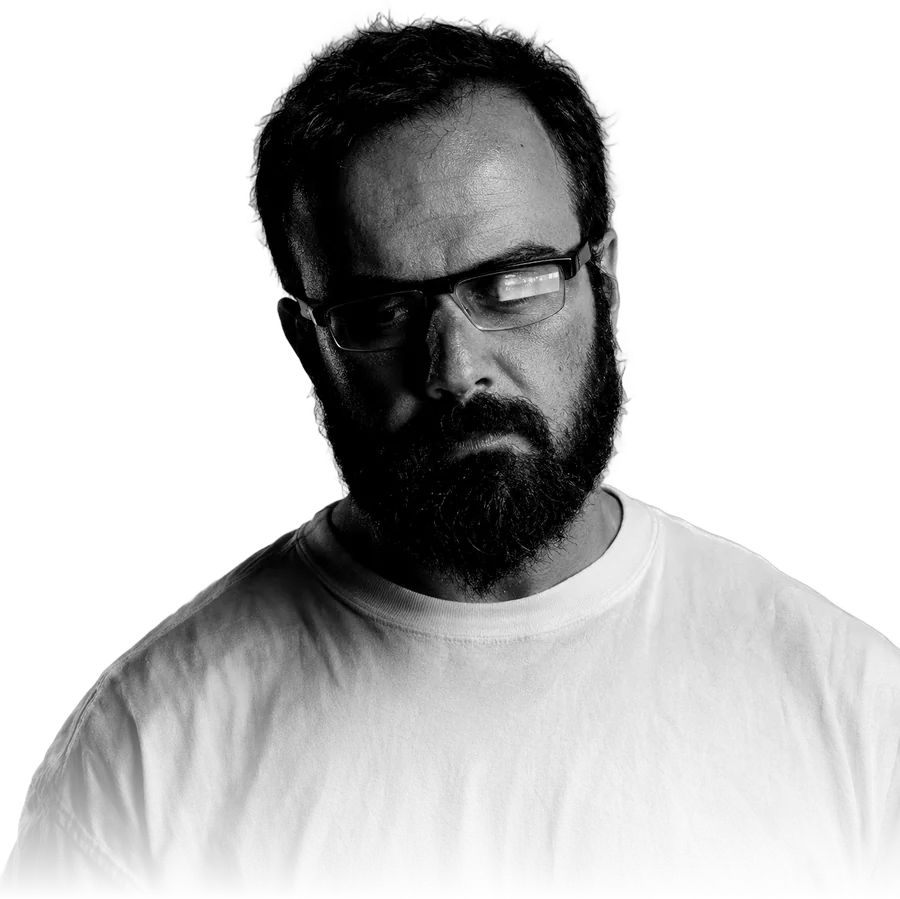
Born in 1985 in Ganja, Azerbaijan, where he began his education. His interest in and talent for art were noticed at an early age, and he received his first basic art training from Tahir Saleh oglu Abbasov (b. 1955), one of the city’s painters. He then studied at the Ganja Children’s Art School under the painter Memmed Haji oglu Verdiyev (Mamed Müəllim, b. 1952), a graduate of the Repin Academy of Fine Arts in Saint Petersburg and the school’s first director; the sculptor Knyaz was also among his first teachers.
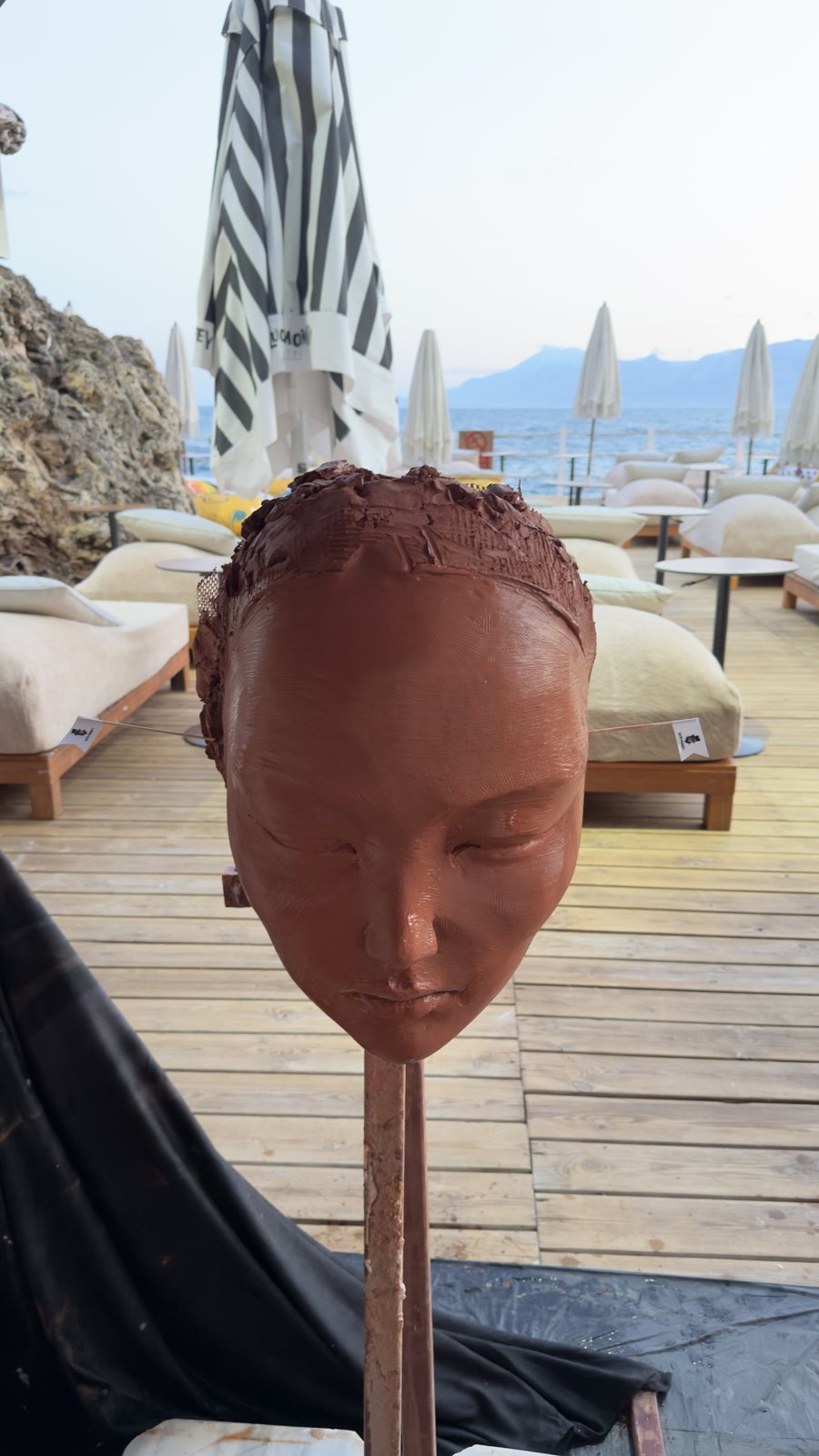
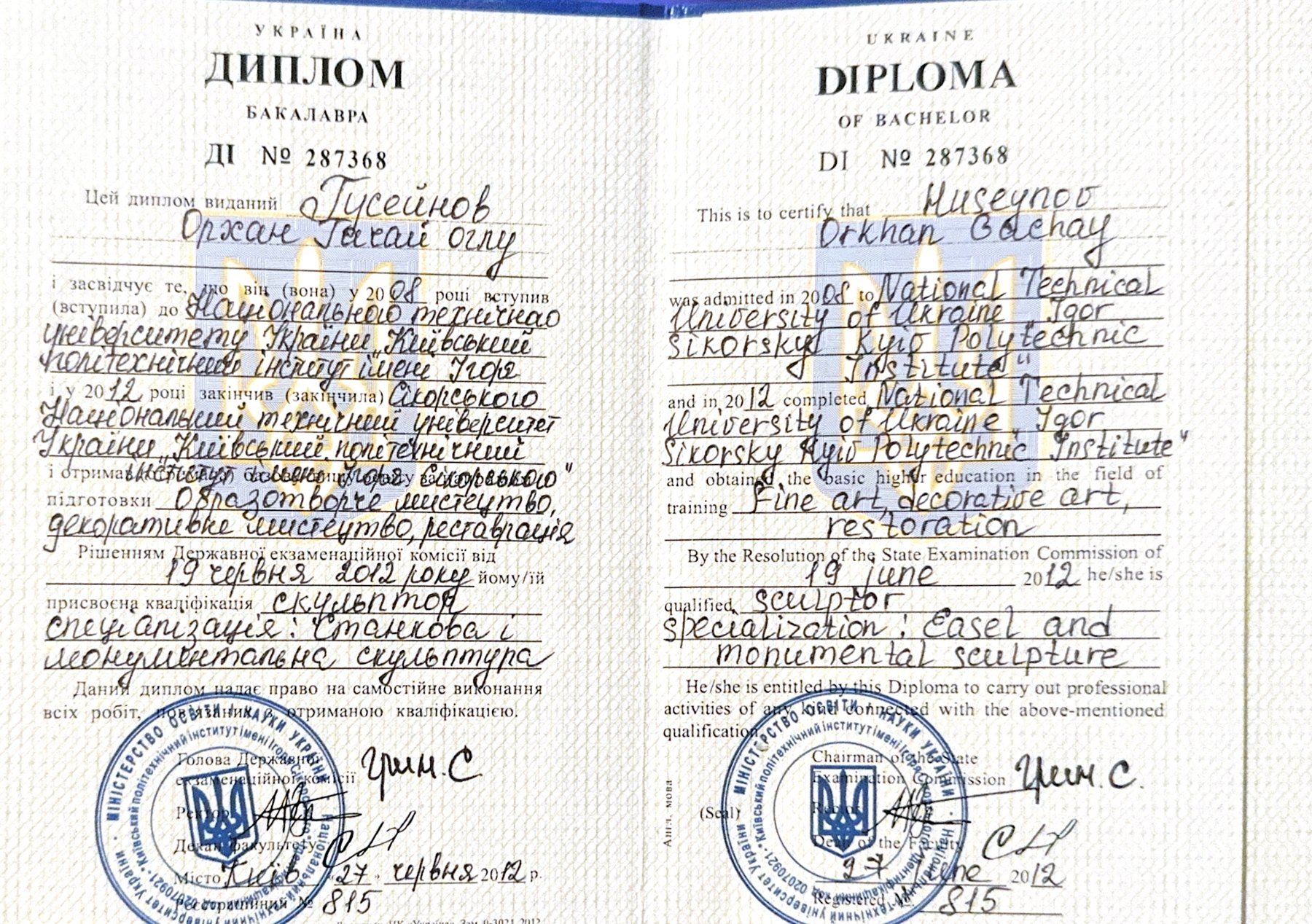
When his teachers recognised that his potential in sculpture was even stronger than in painting, he continued his art education with sculpture as his main discipline. From 2008 to 2012 he studied Fine Arts, Decorative Art and Restoration at the National Technical University of Ukraine “Igor Sikorsky Kyiv Polytechnic Institute”, graduating as a sculptor specialising in easel and monumental sculpture.
Over time he turned to interior design and took part in architectural projects, working in Russia with architects and engineers on the design and arrangement of interior spaces.
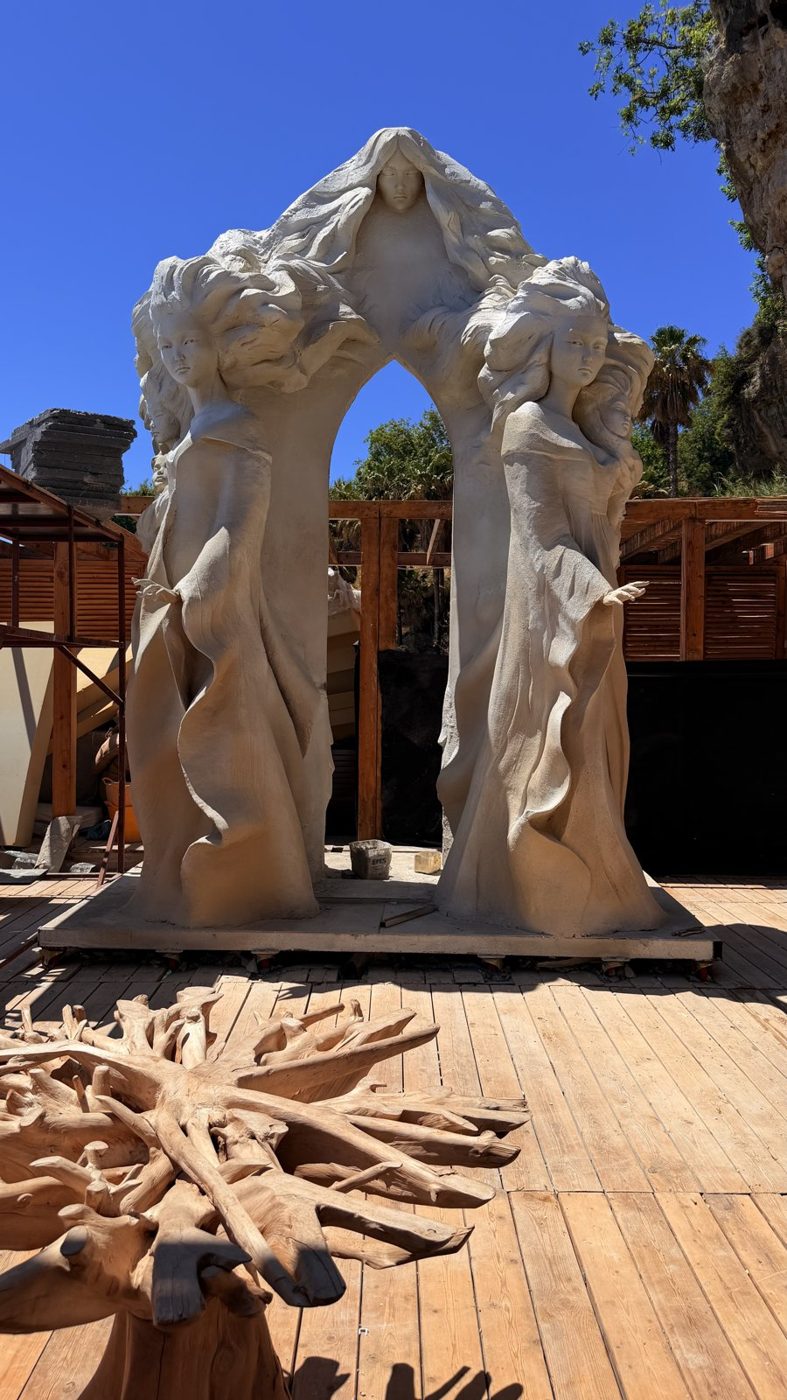
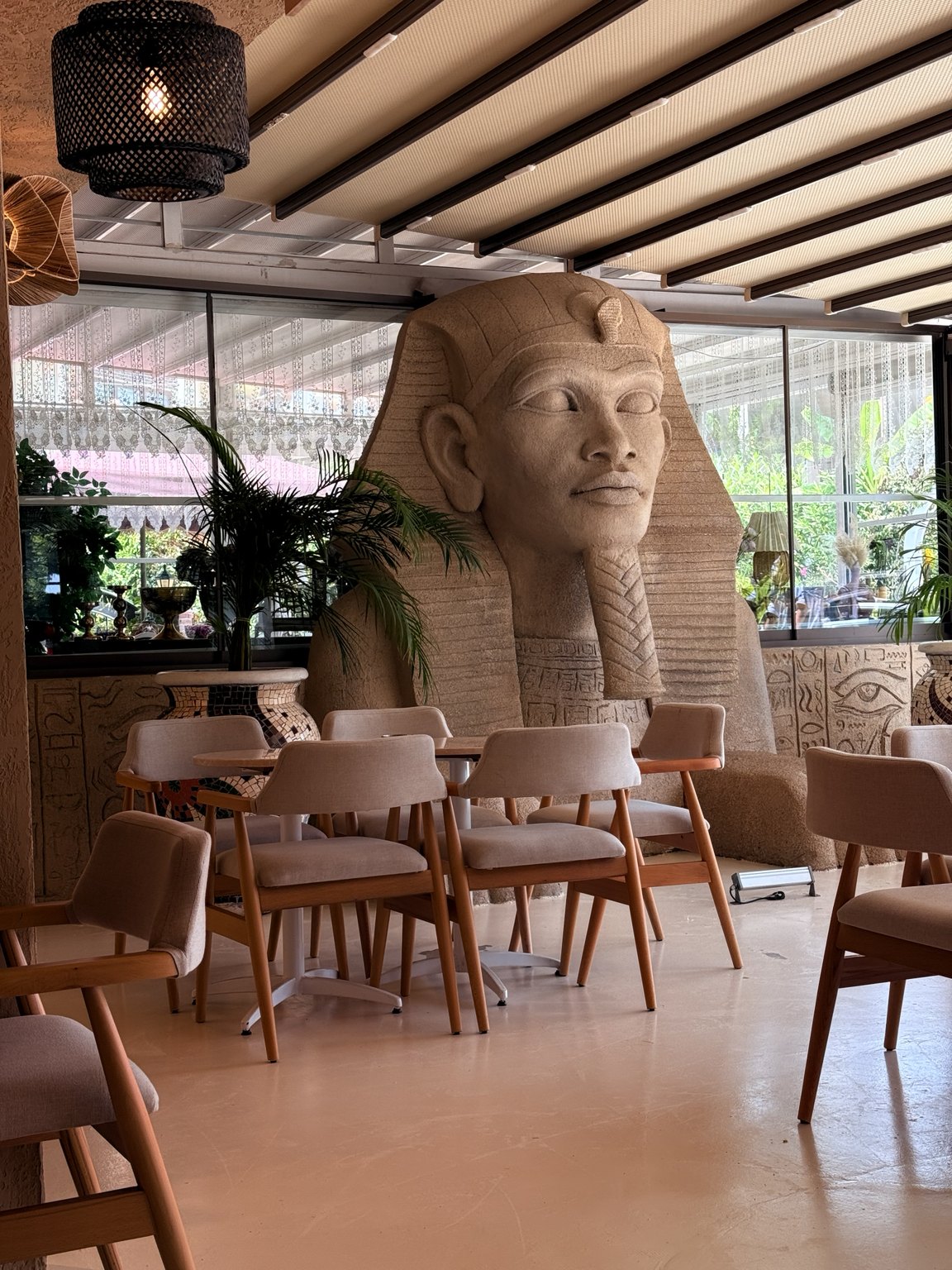
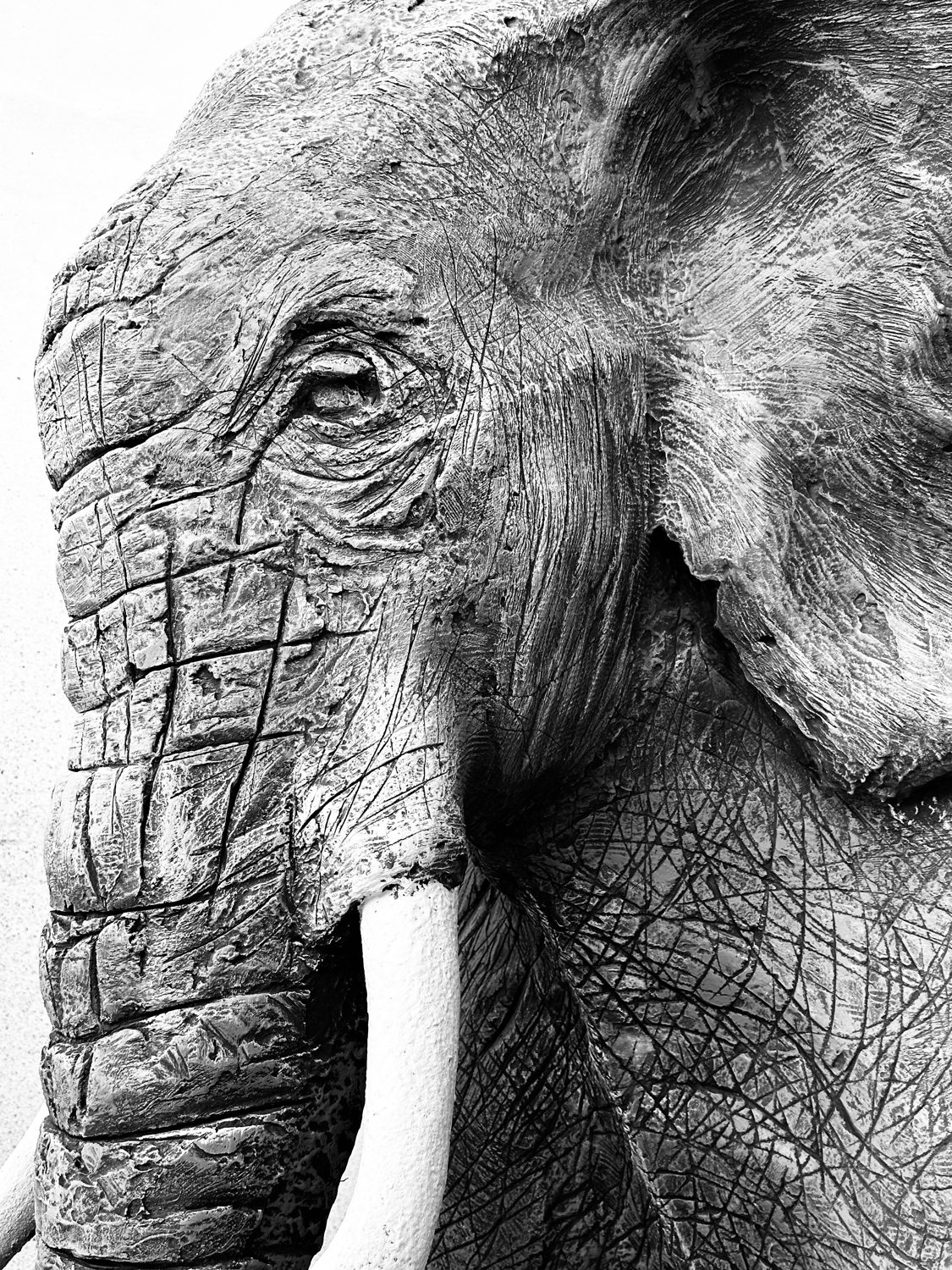
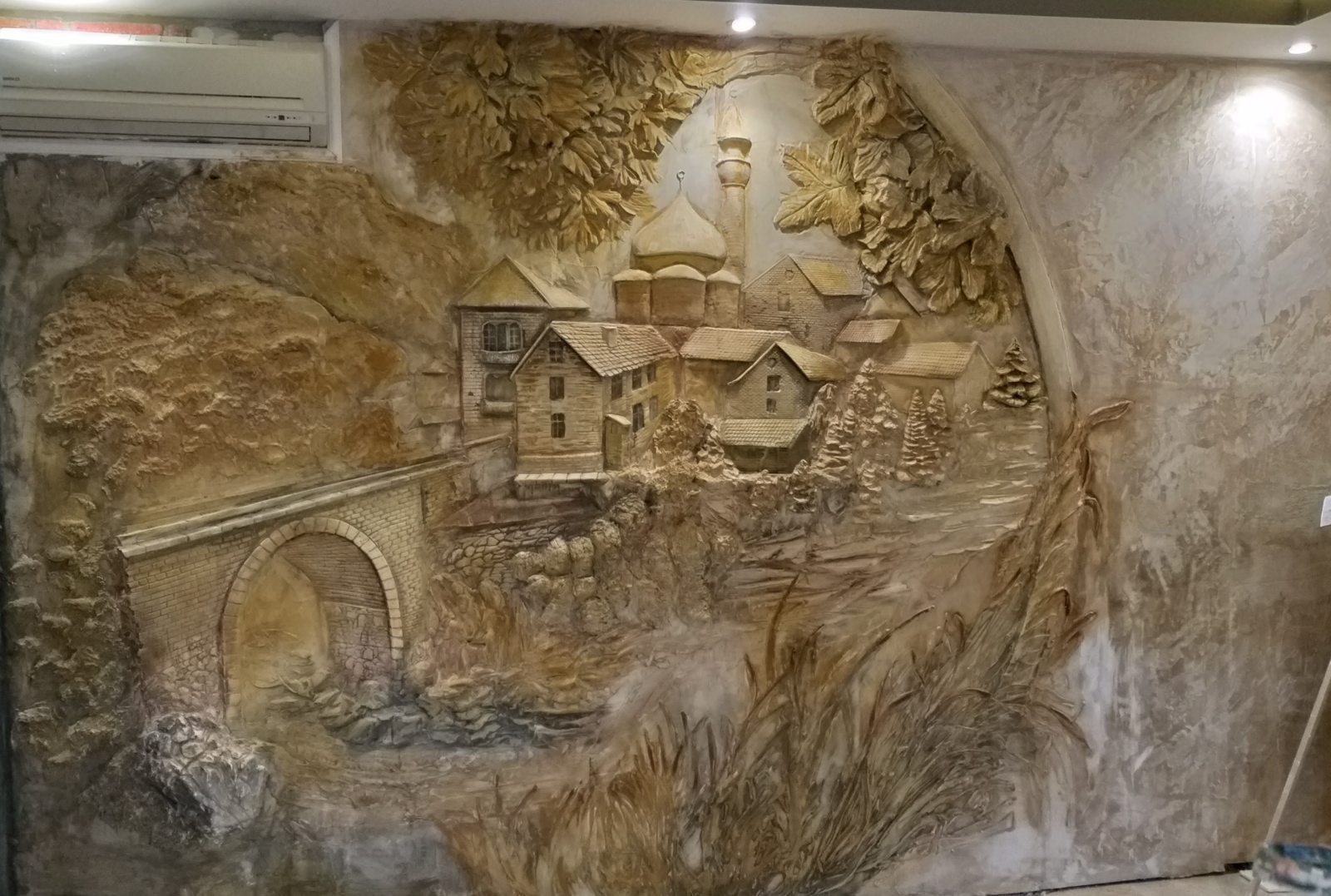
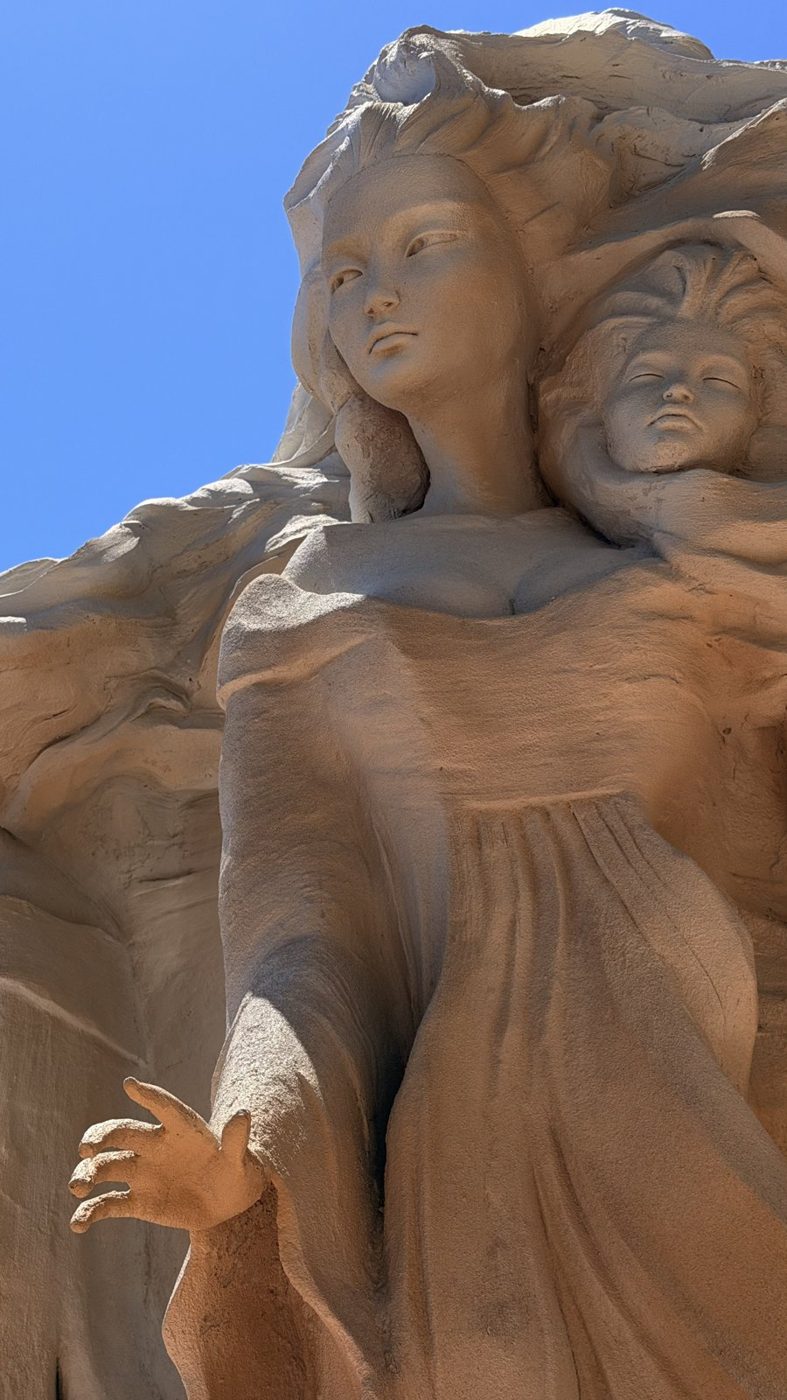
For more than ten years he has worked professionally in Türkiye, designing original, site-specific works for interiors, exteriors and open spaces. Not limiting his art to one geography, he continues to take part in projects around the world and to produce on an international scale.
MANIFESTO
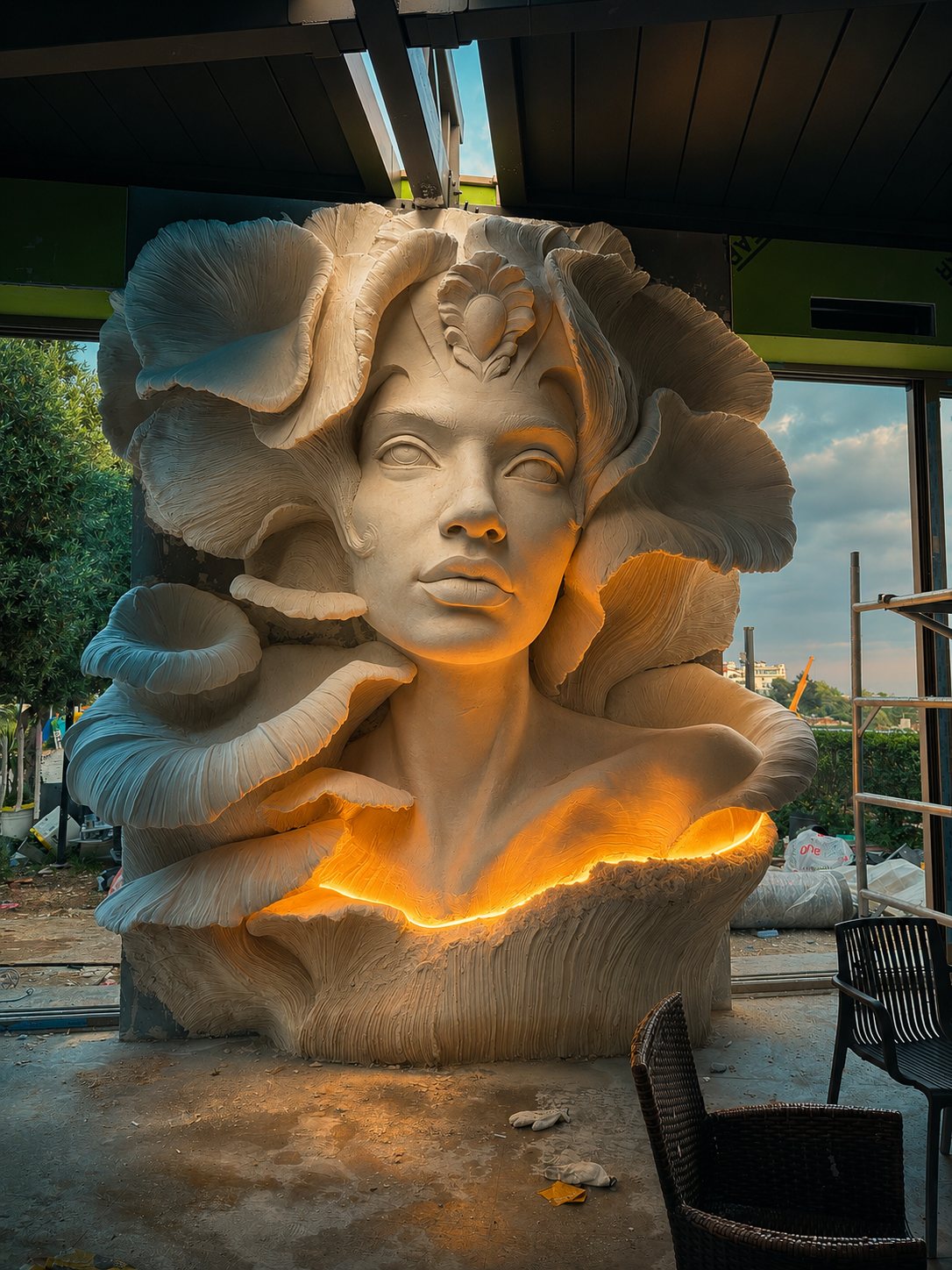
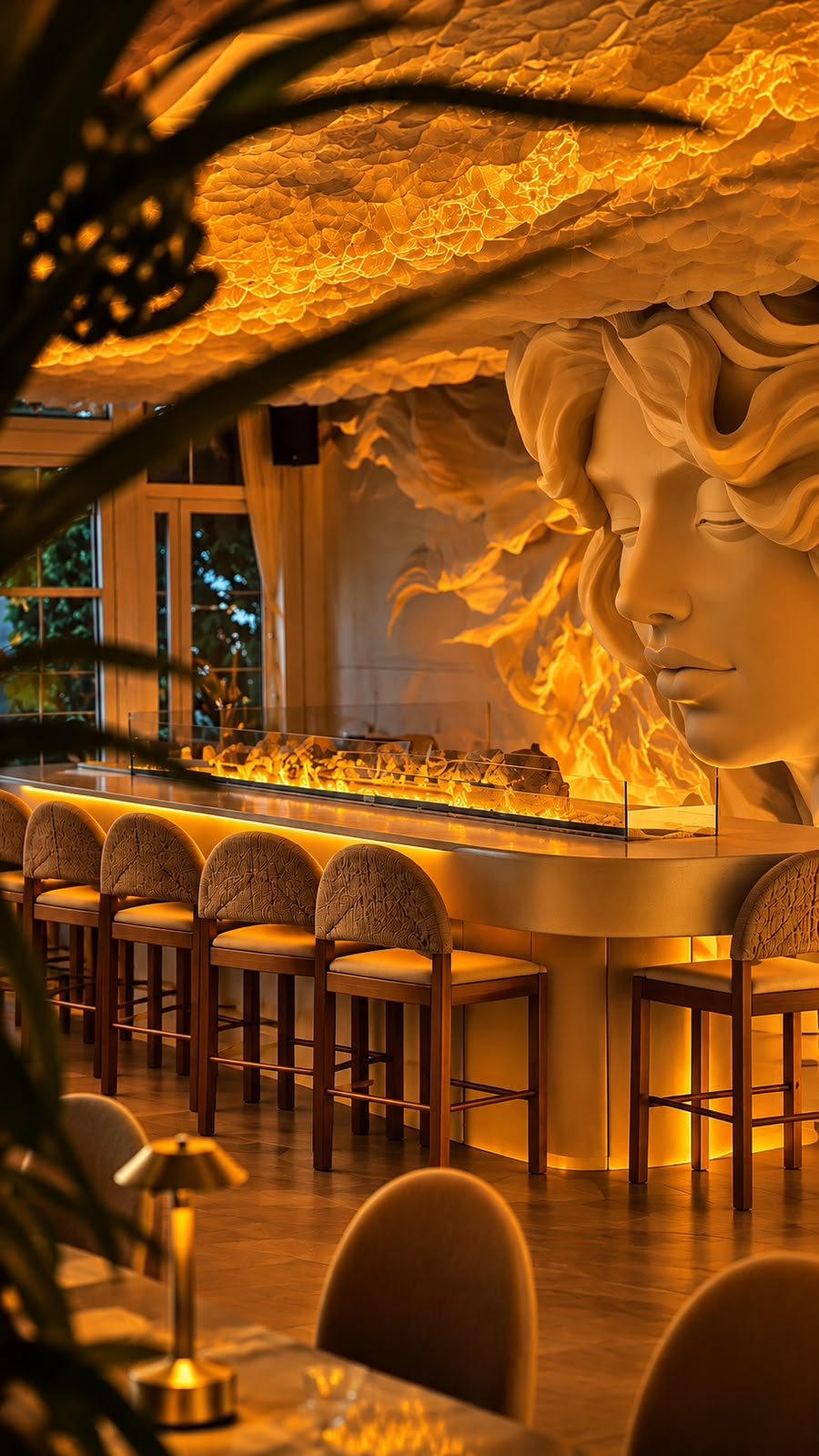
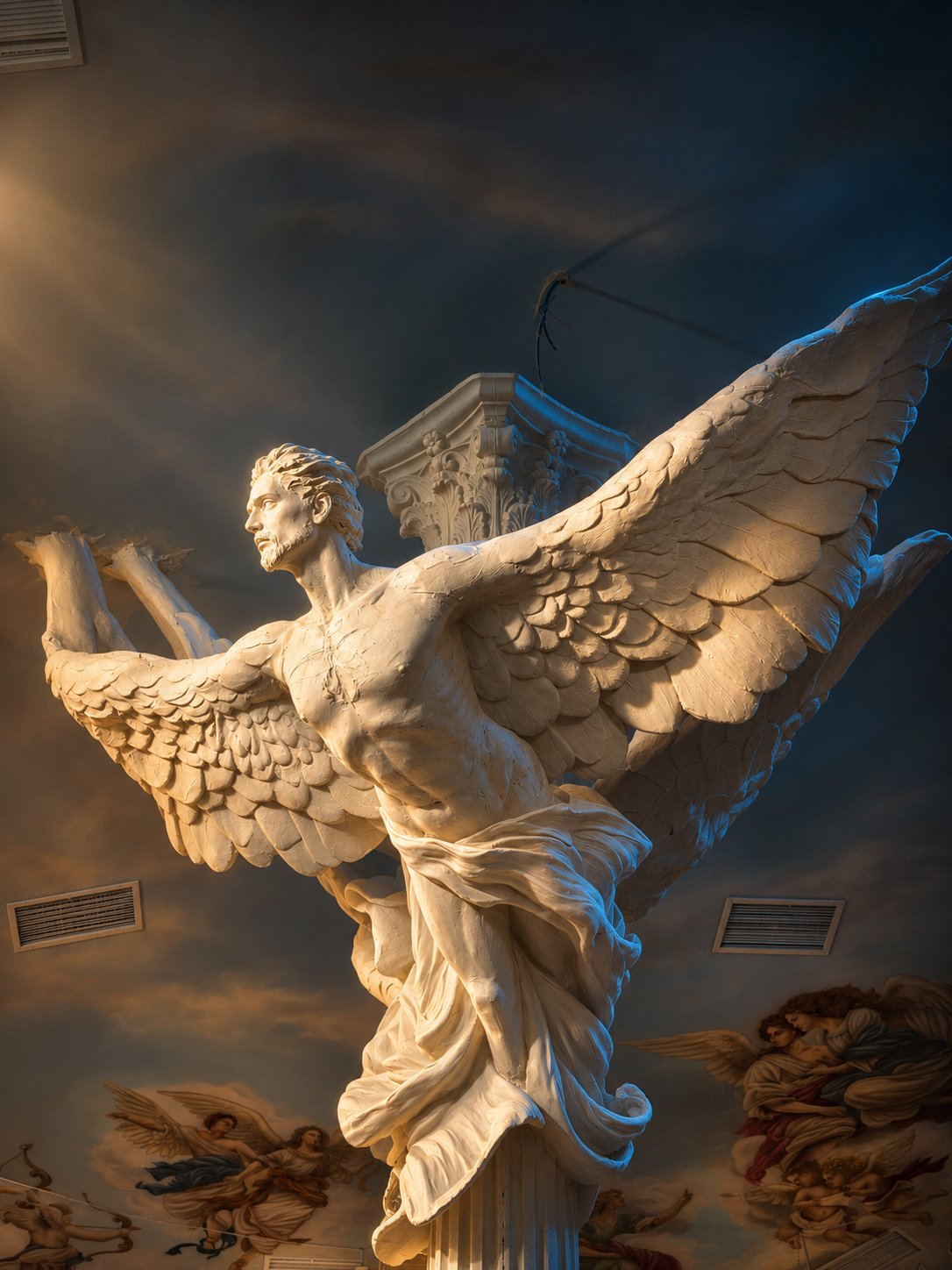
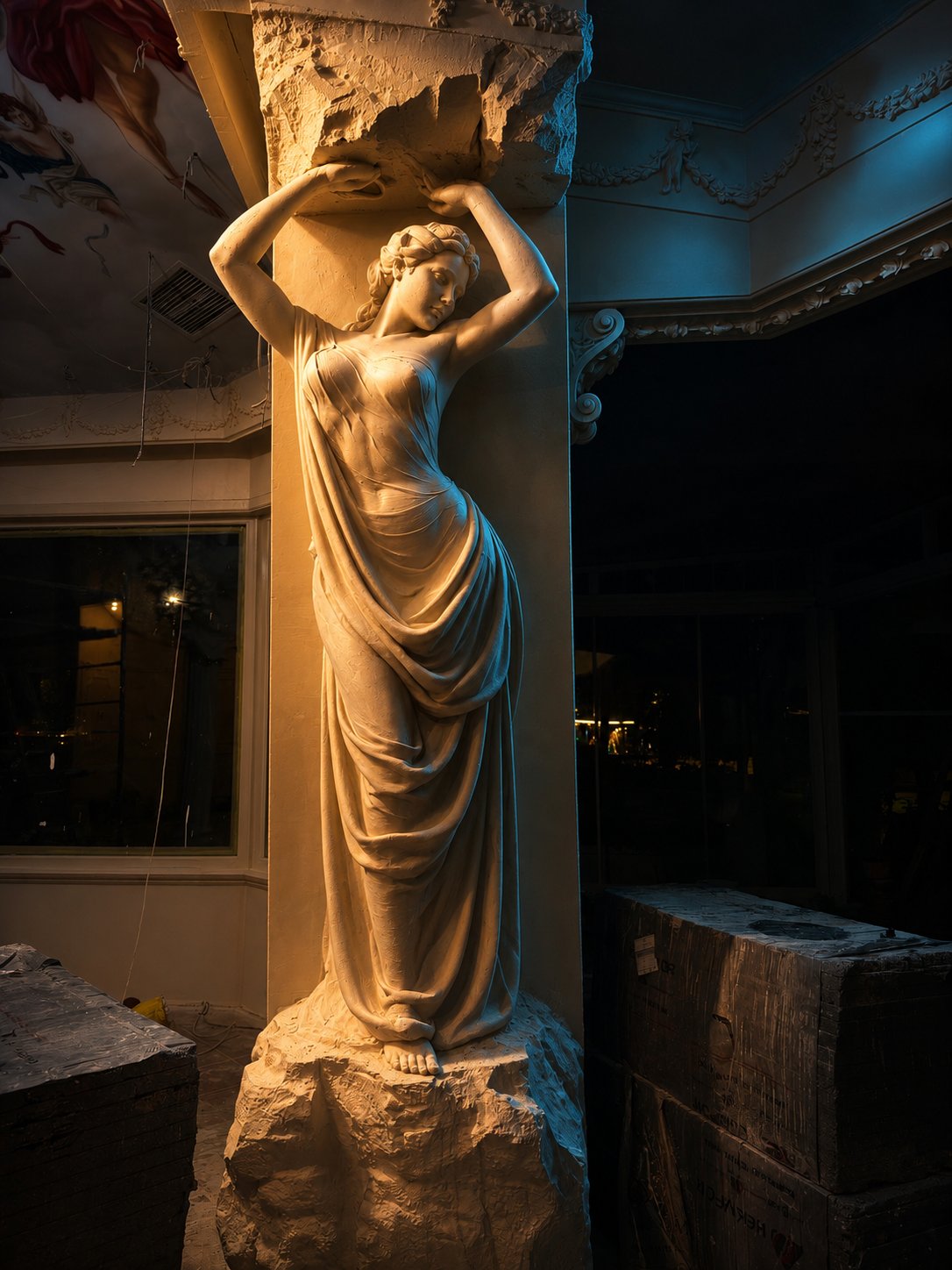
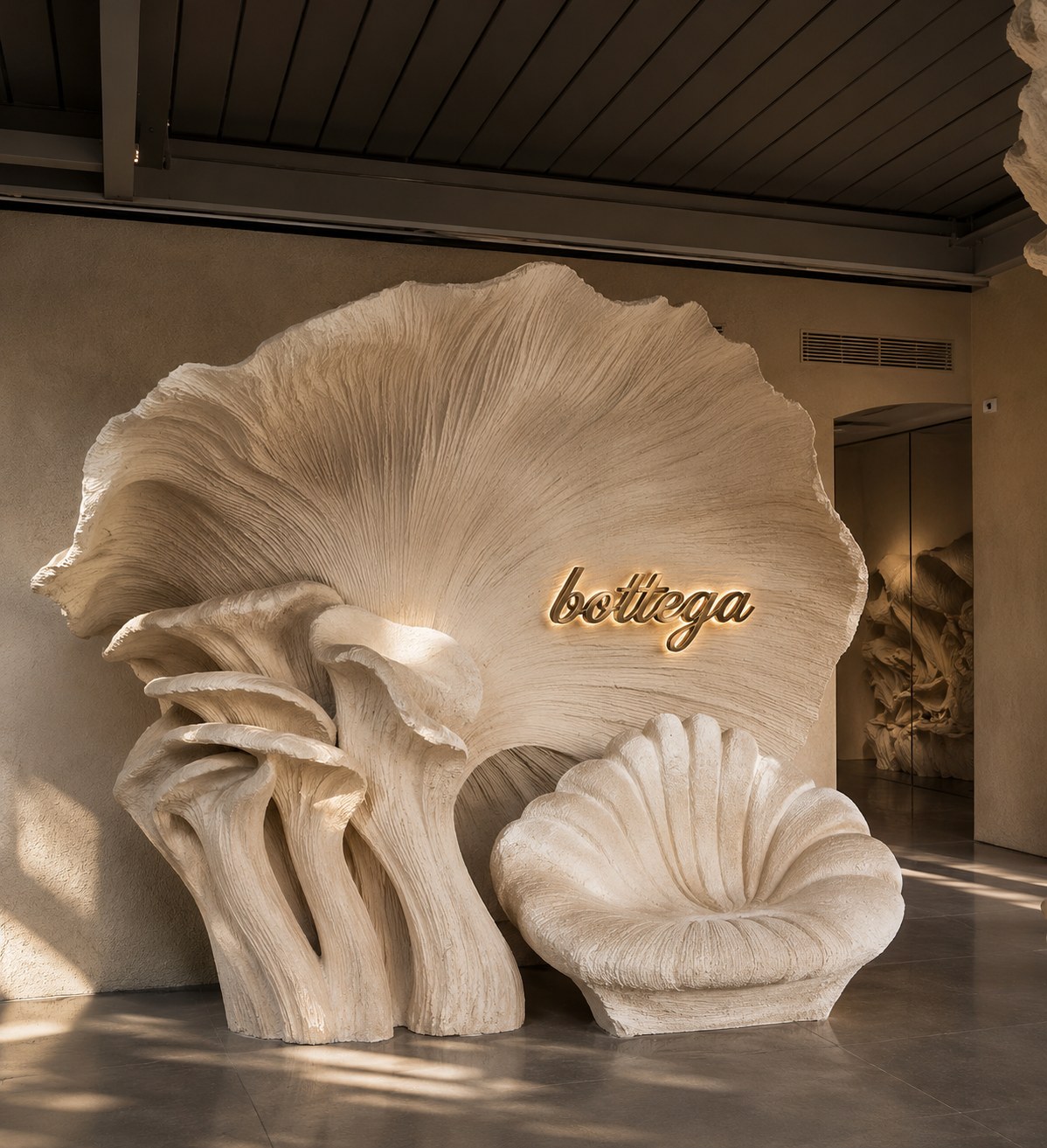
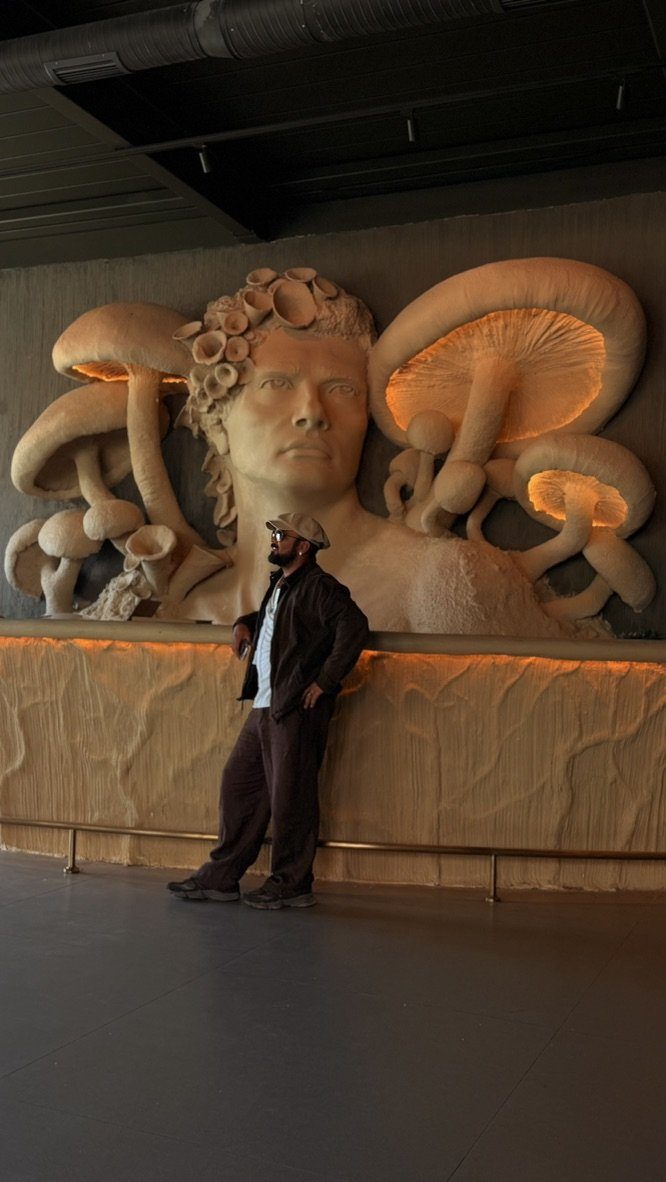
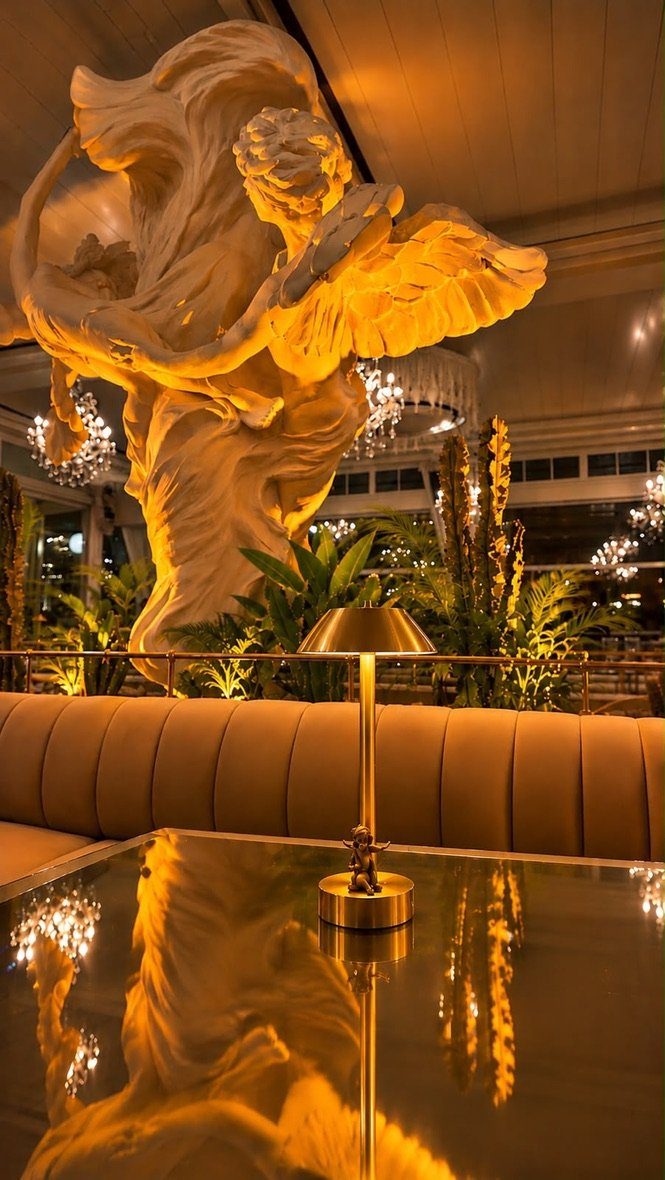
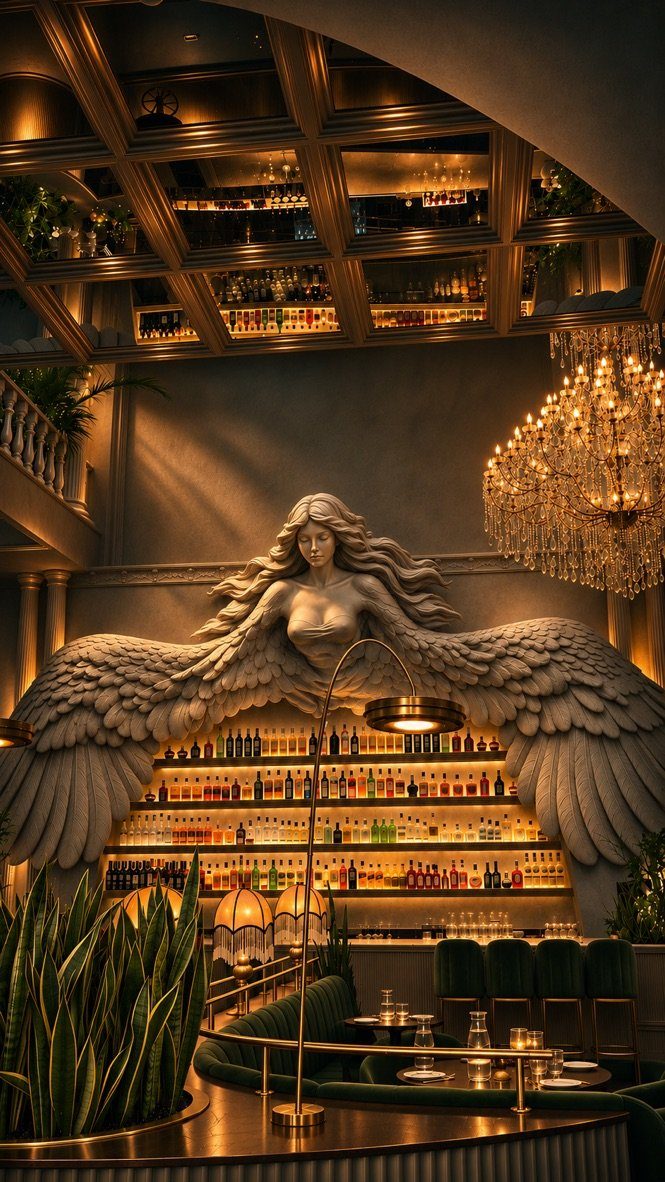
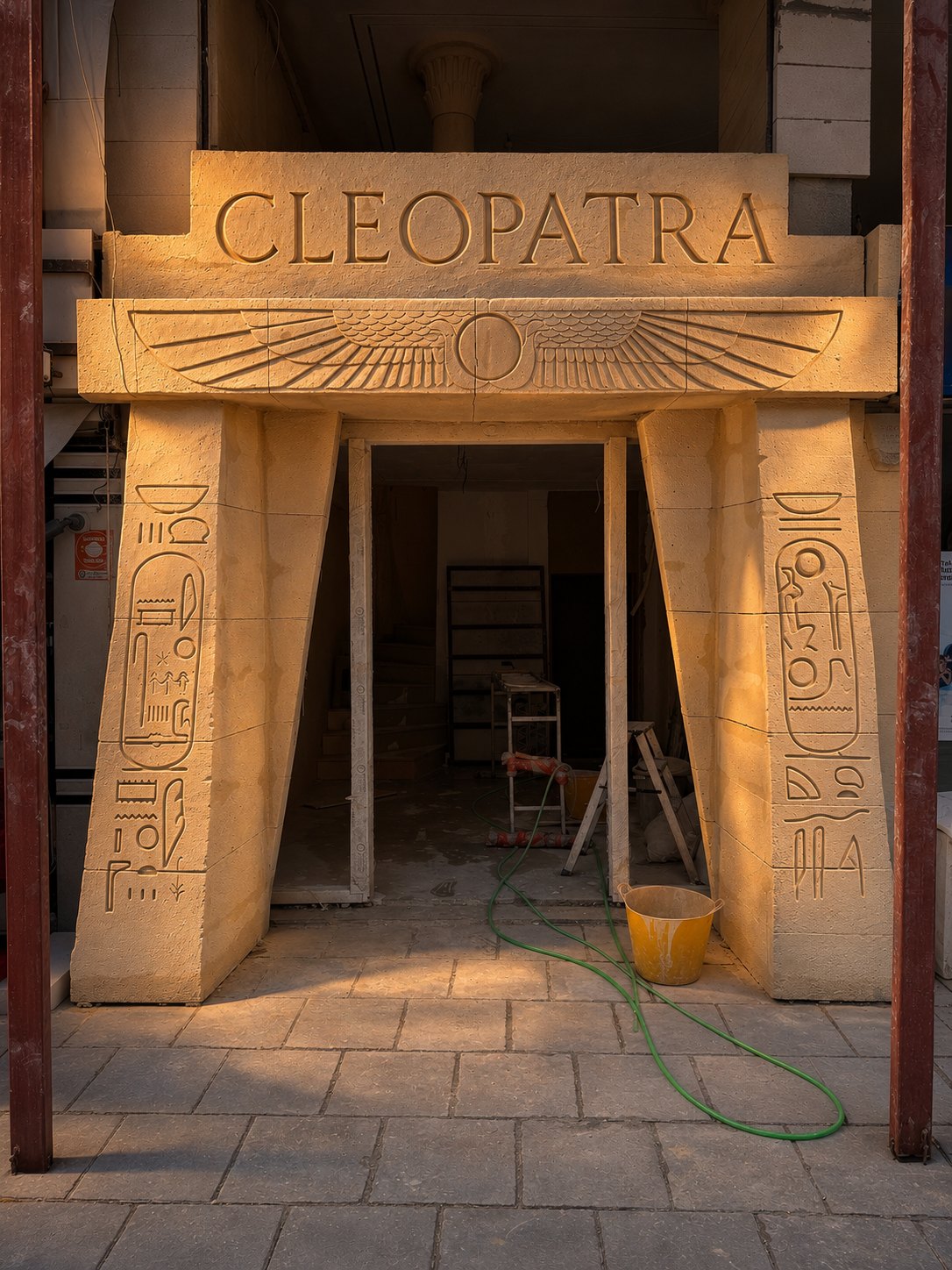
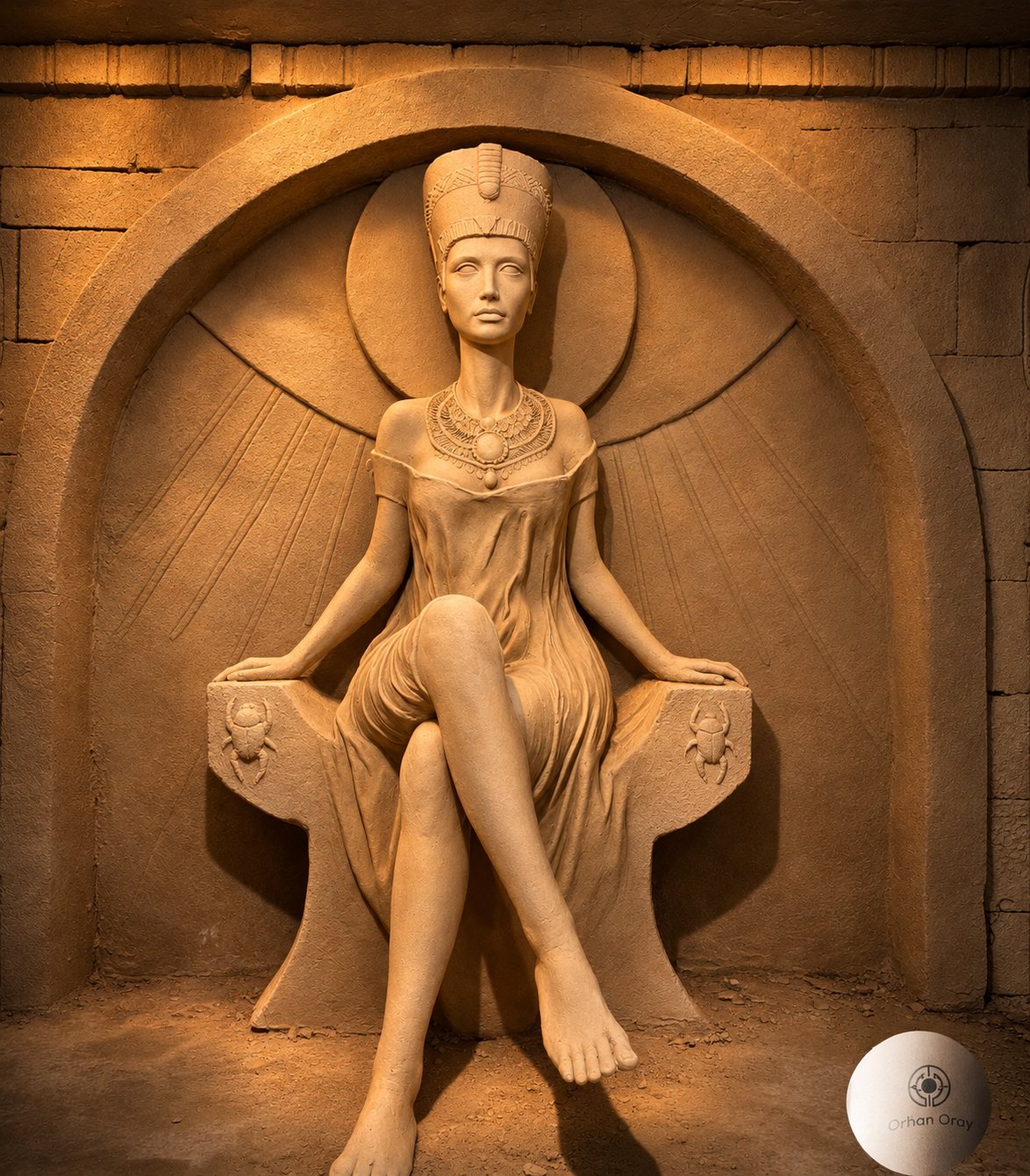
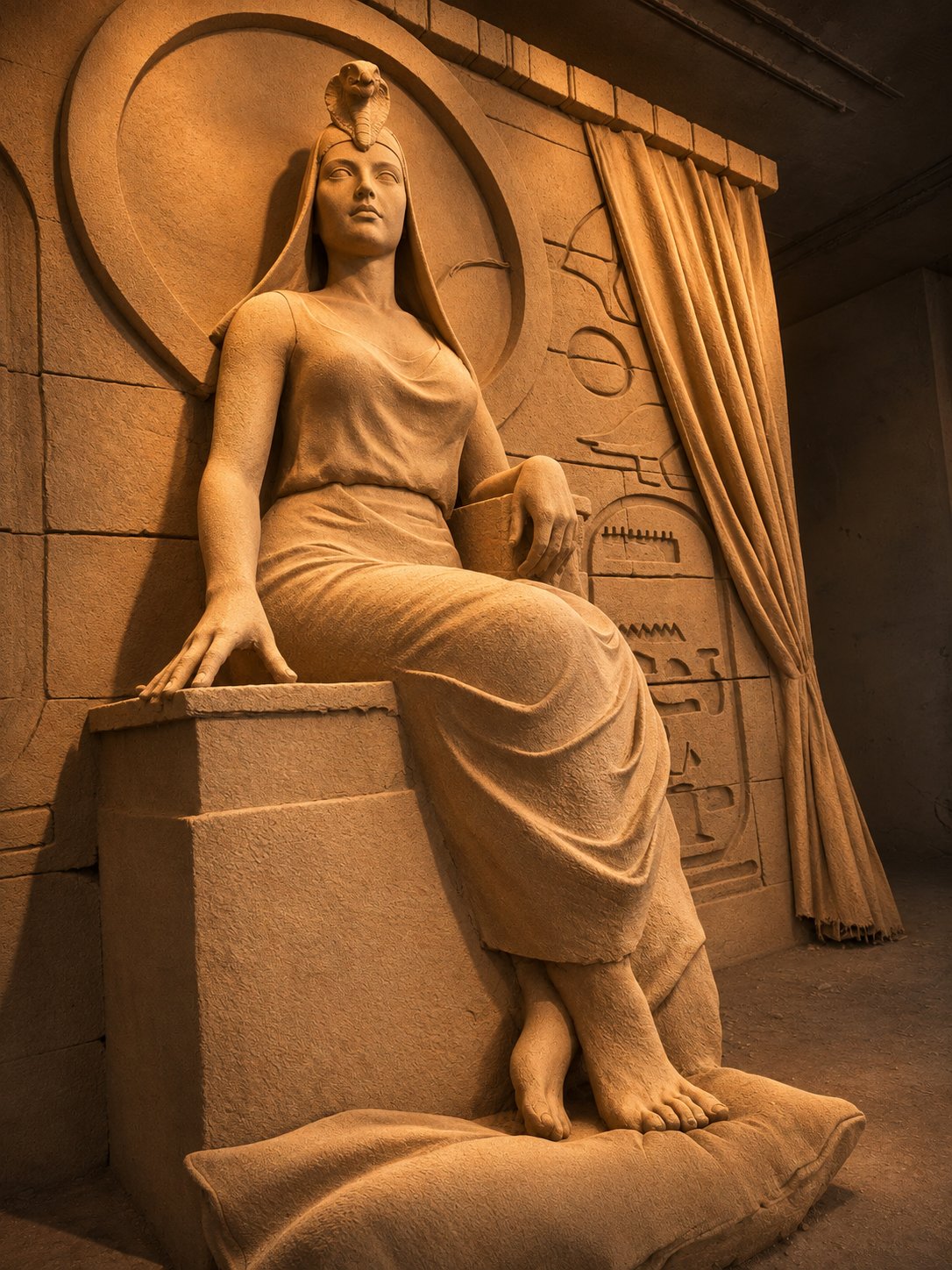
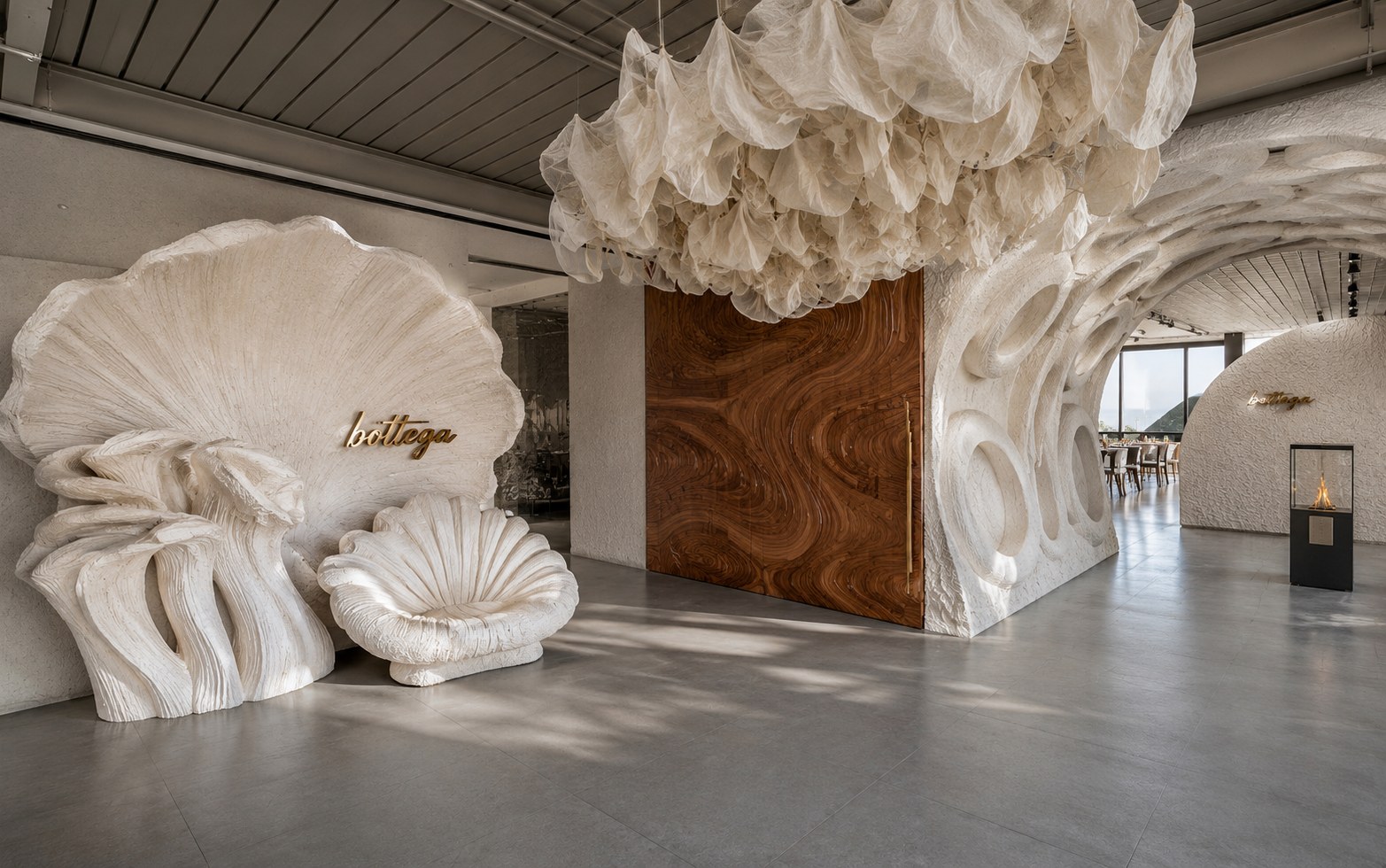
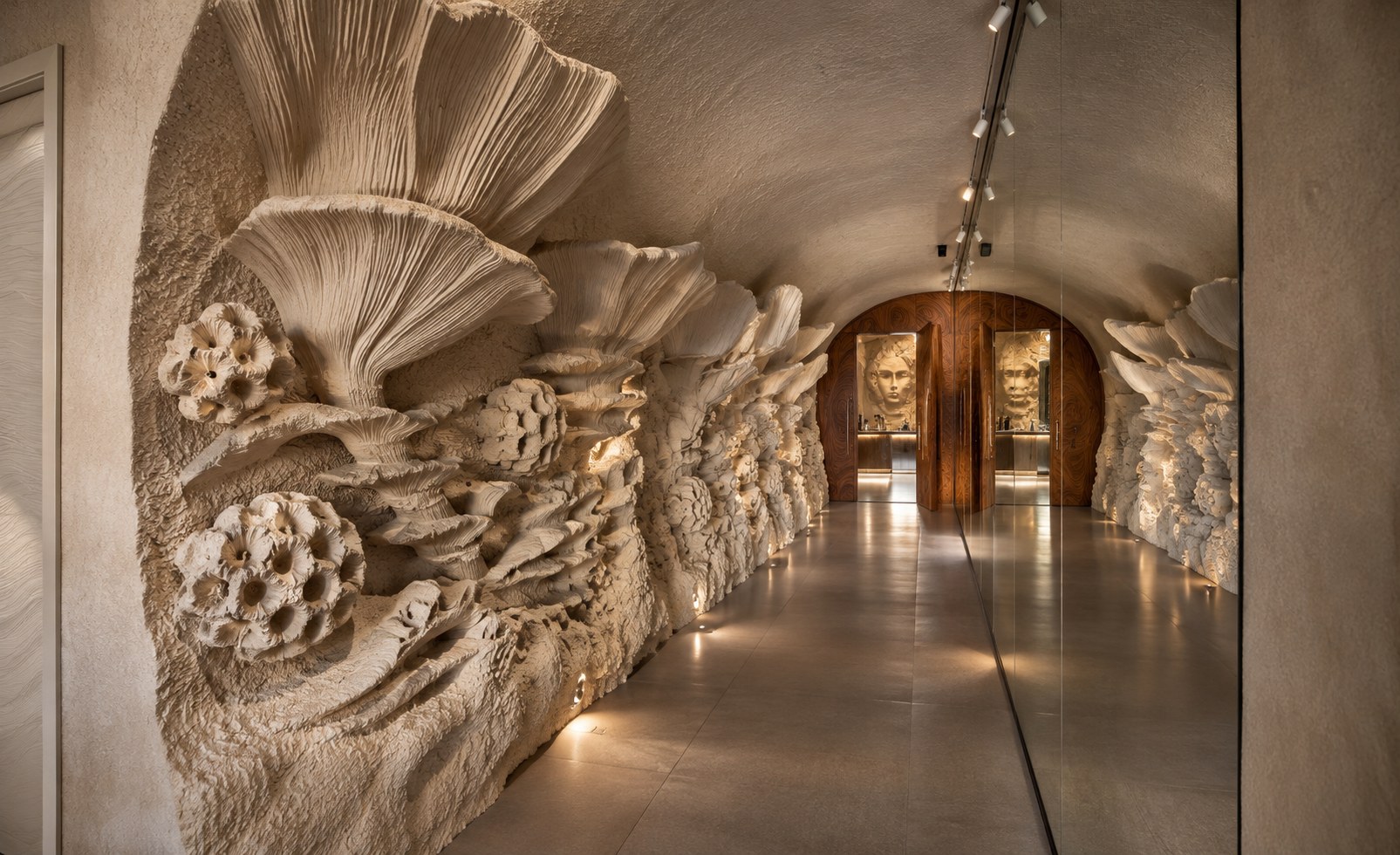
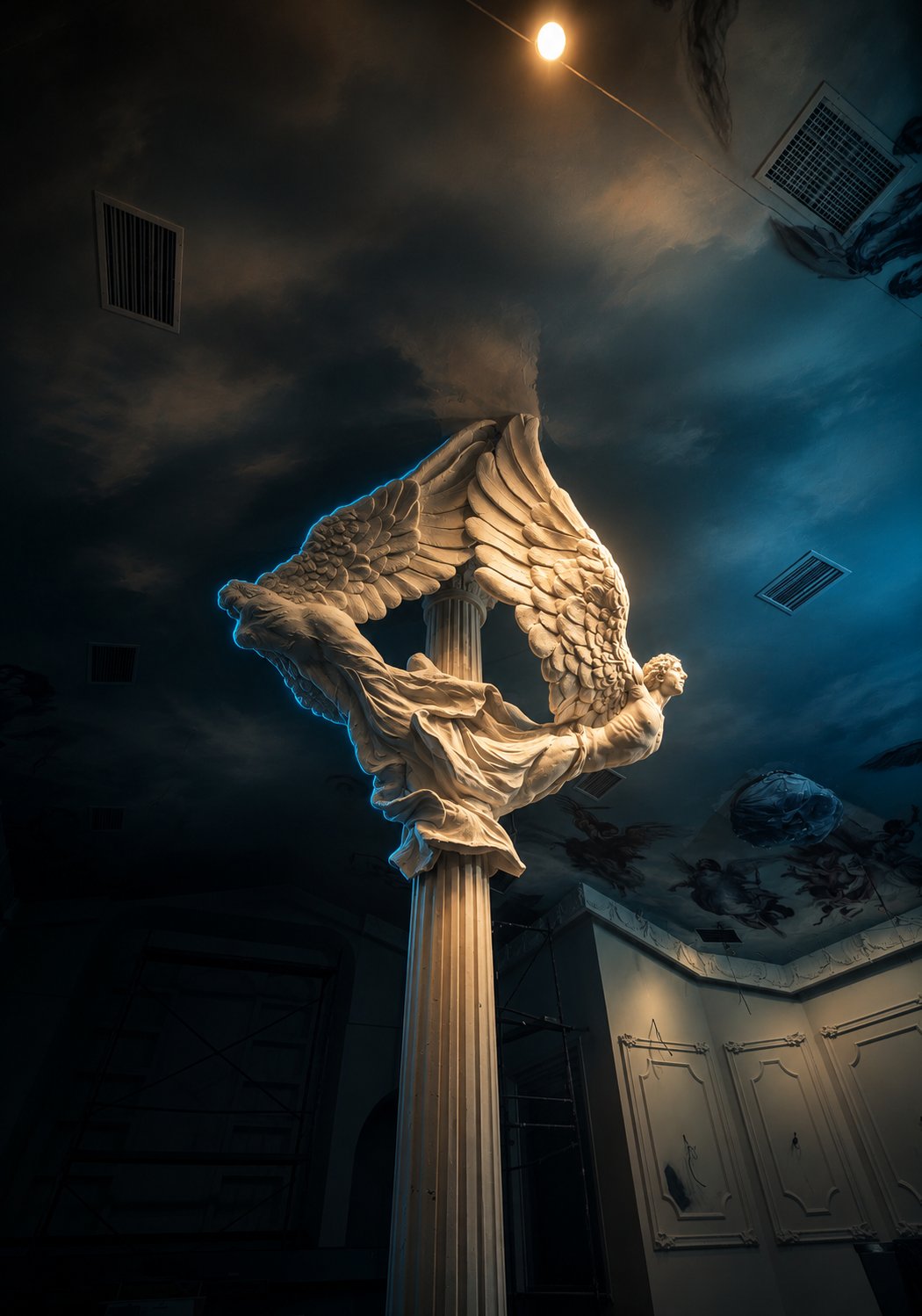
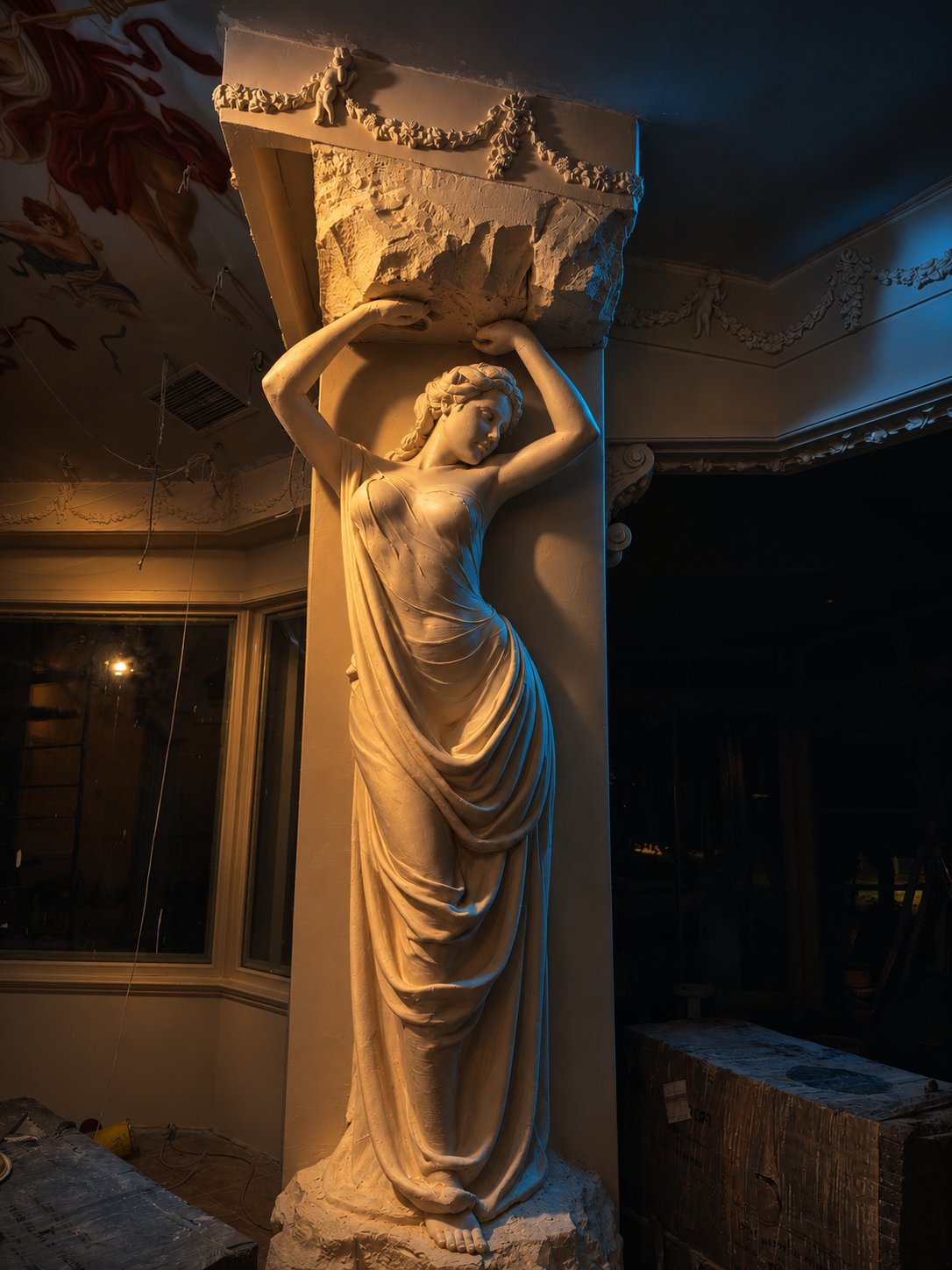
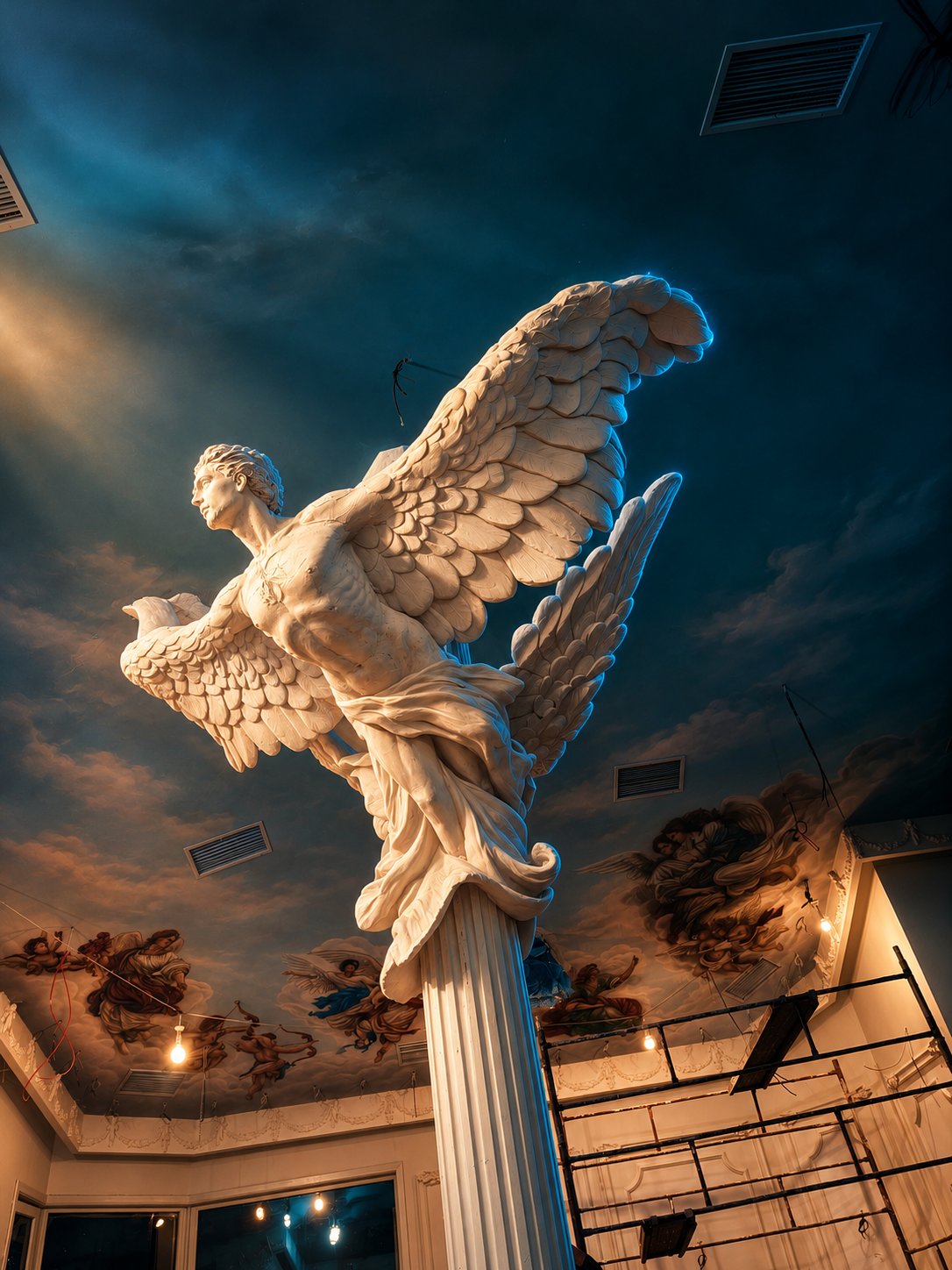
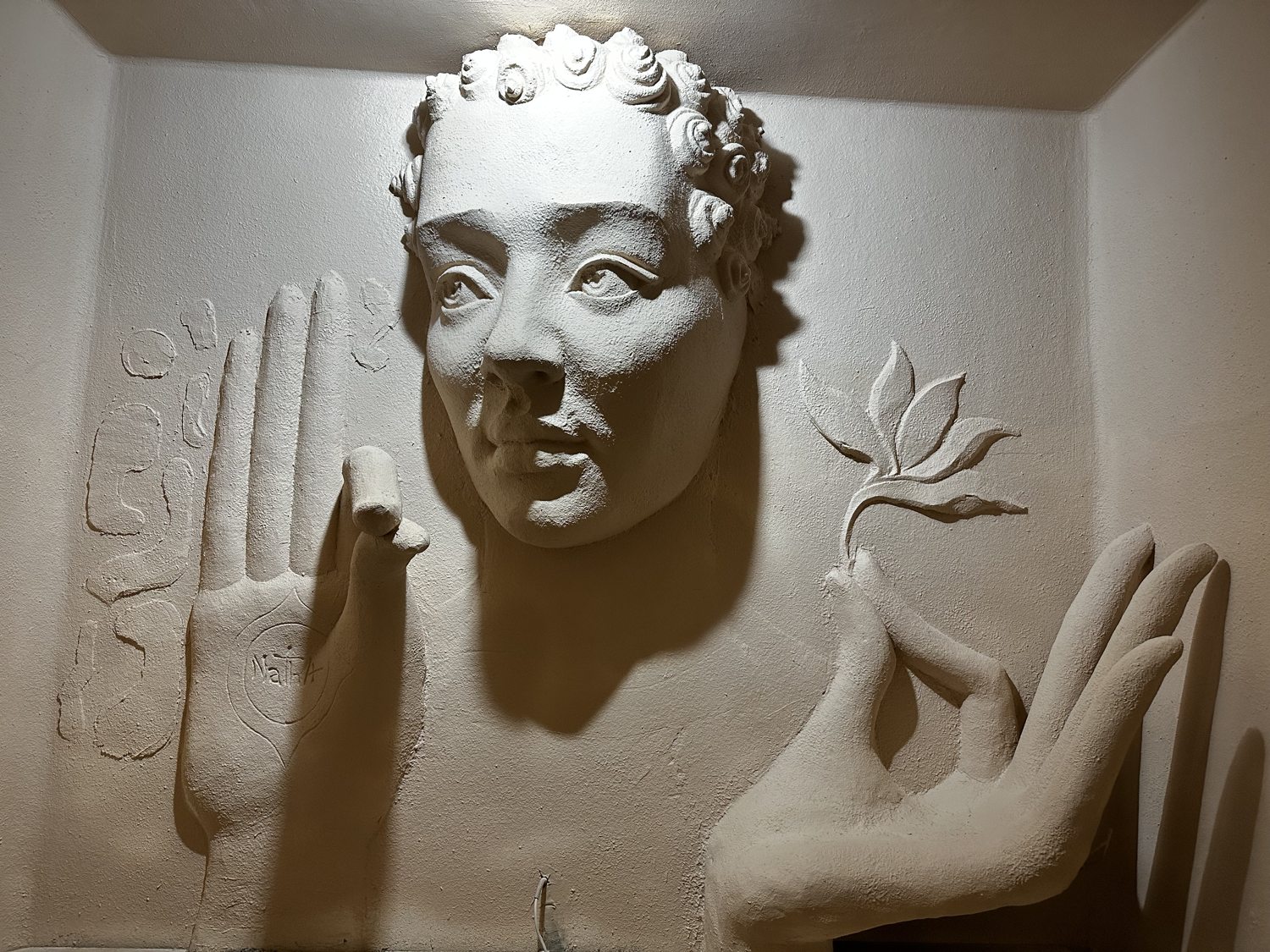
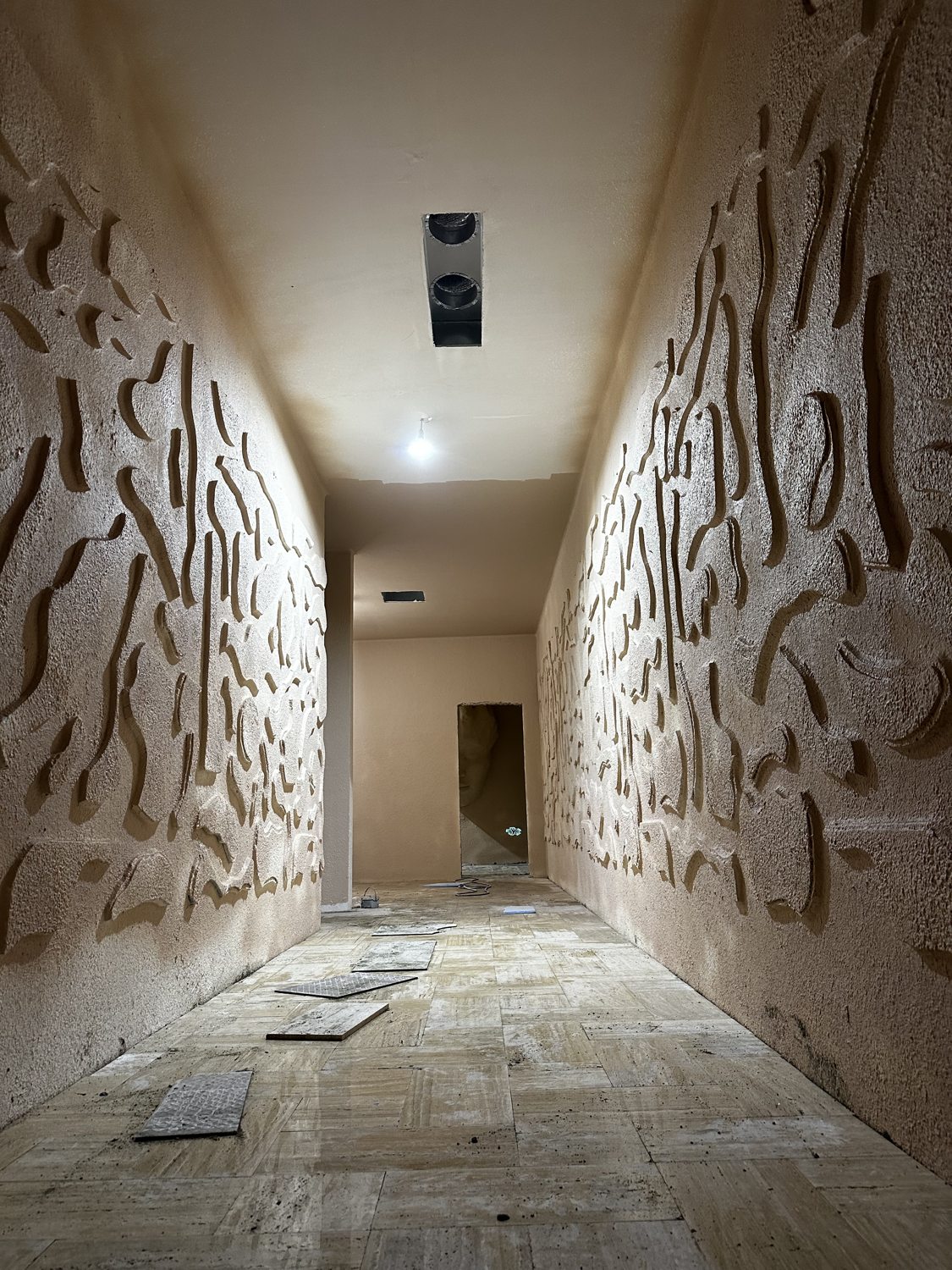
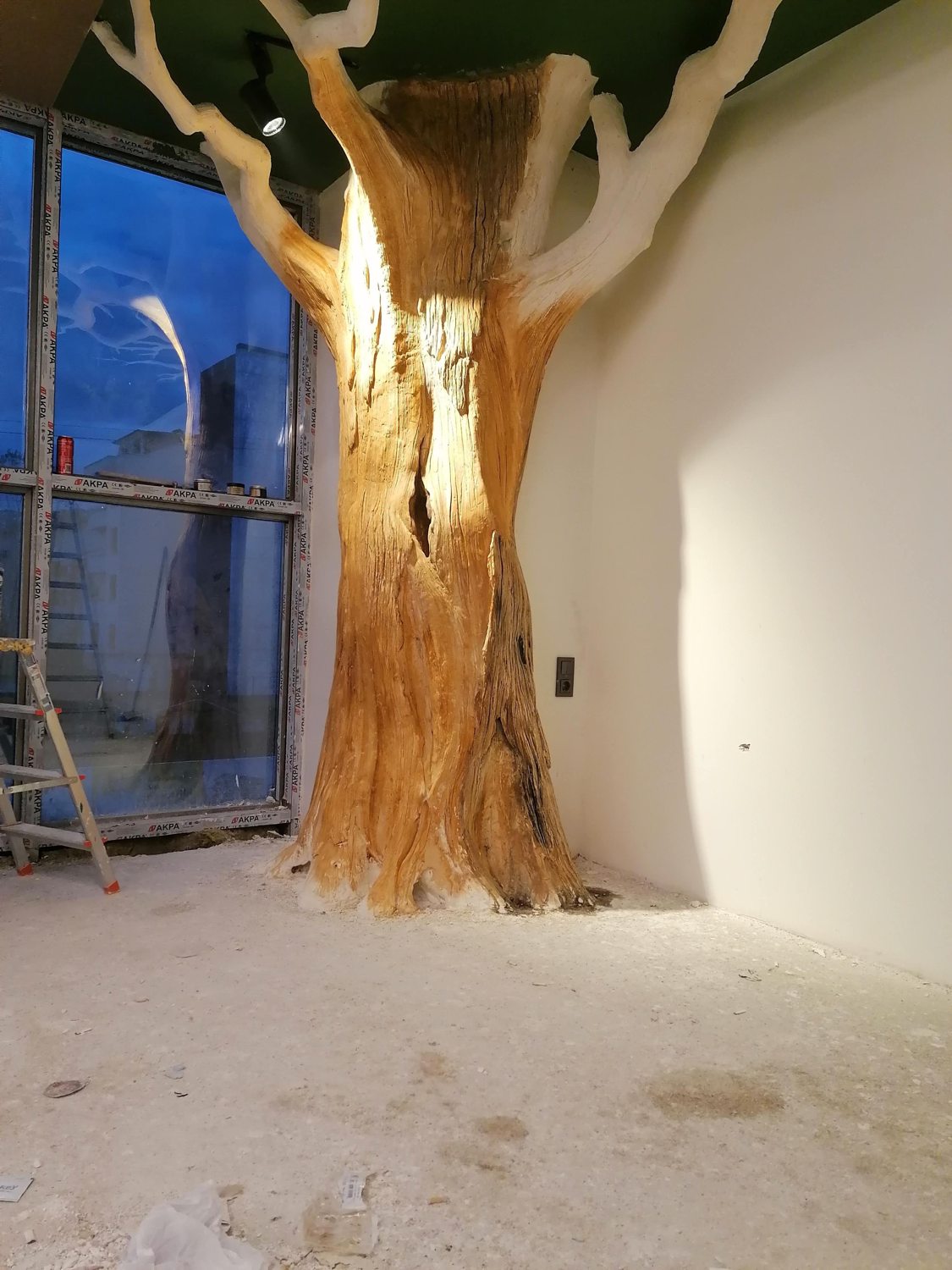
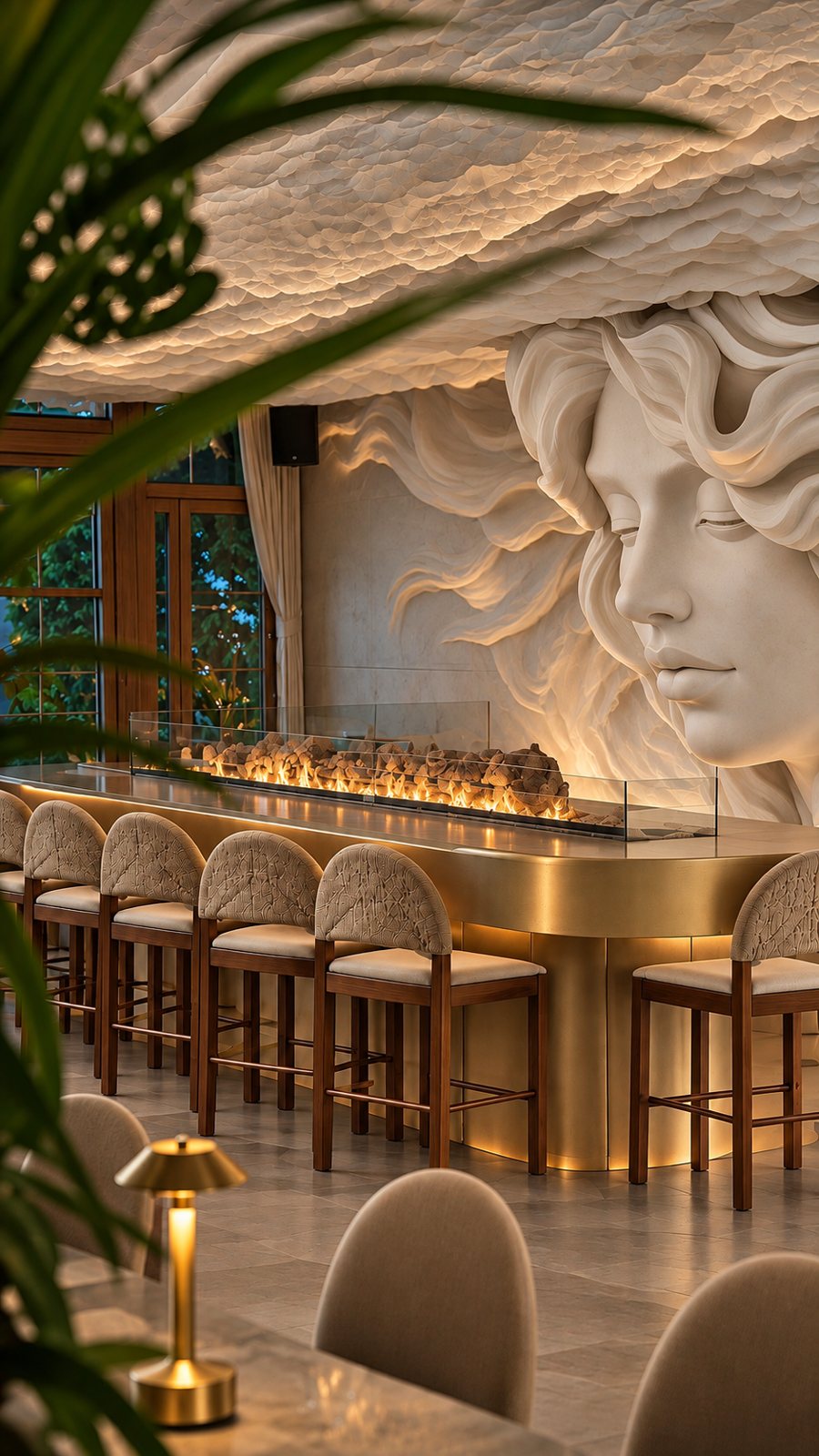
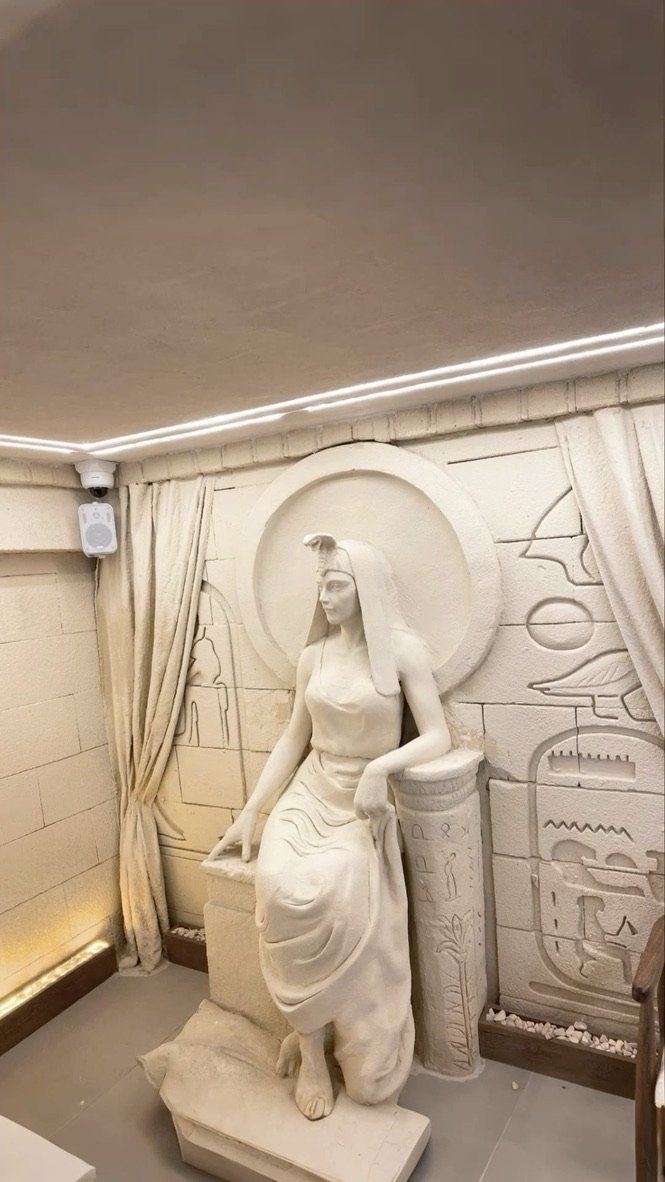
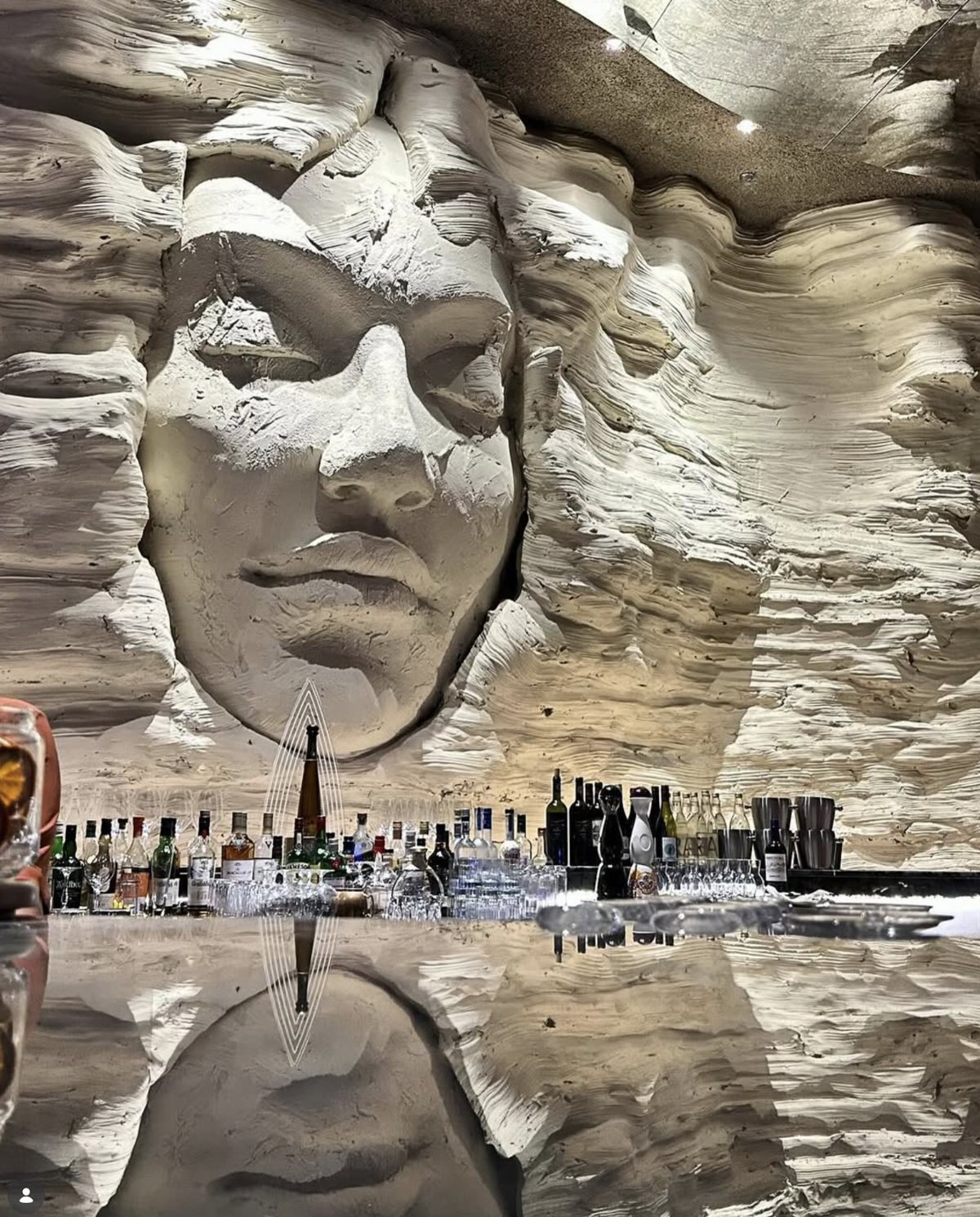
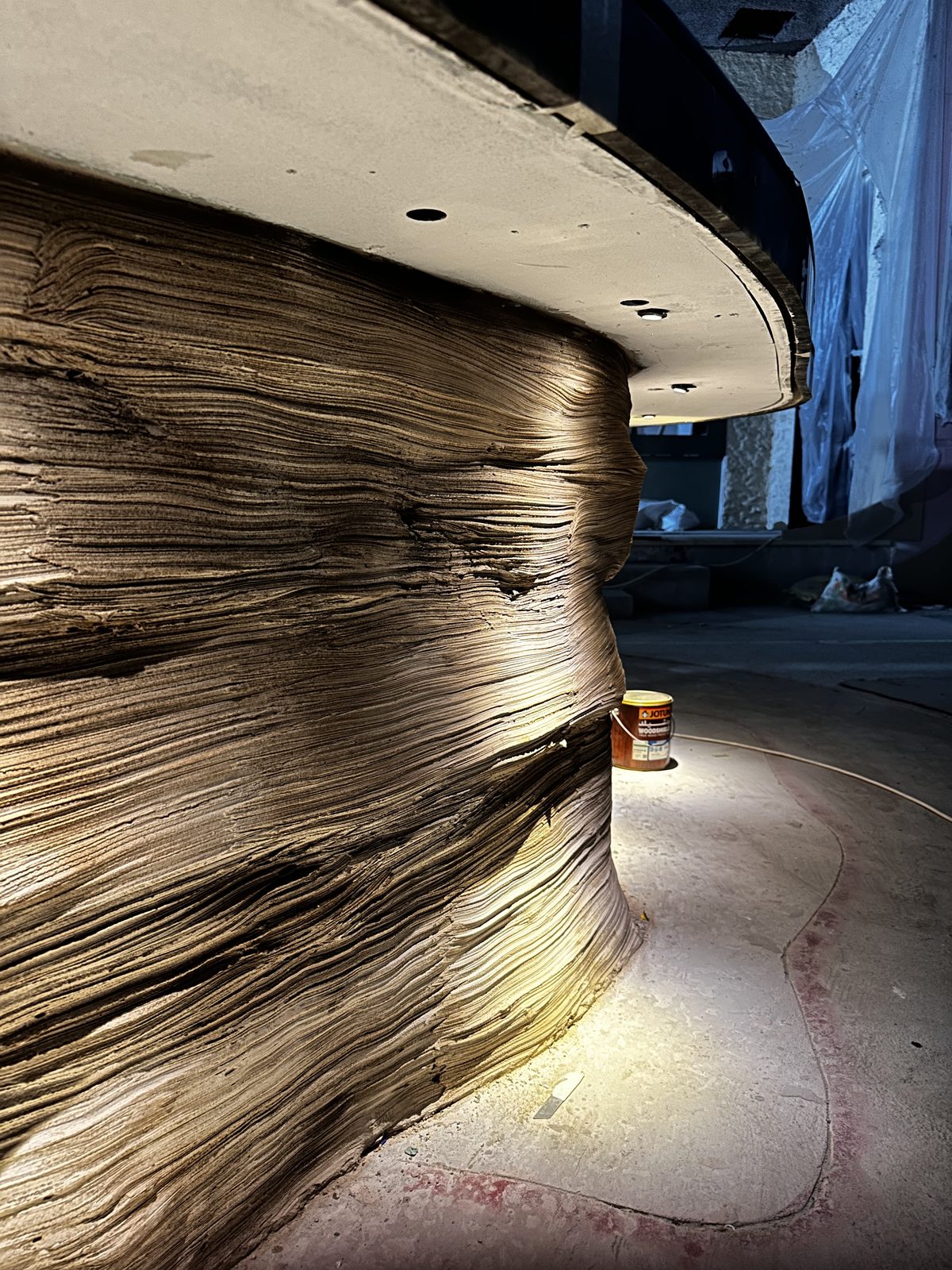
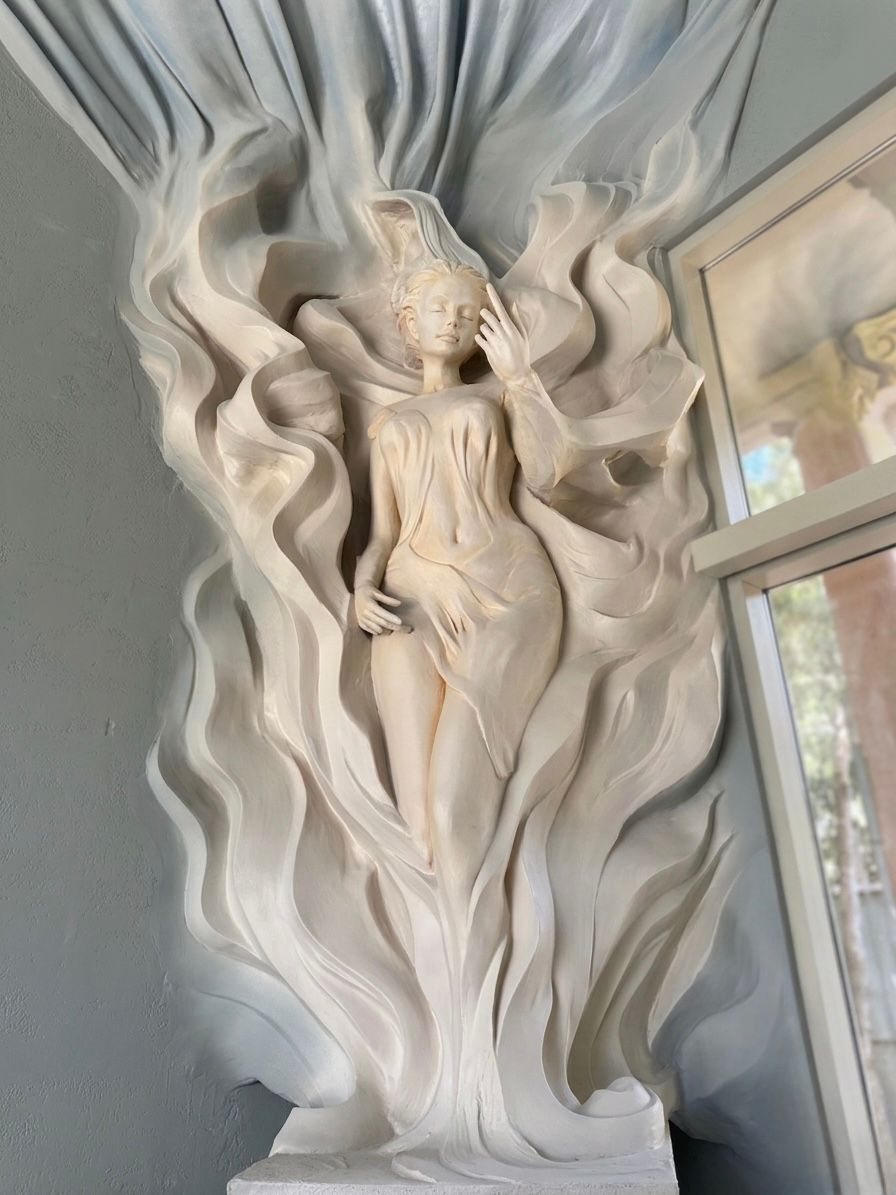
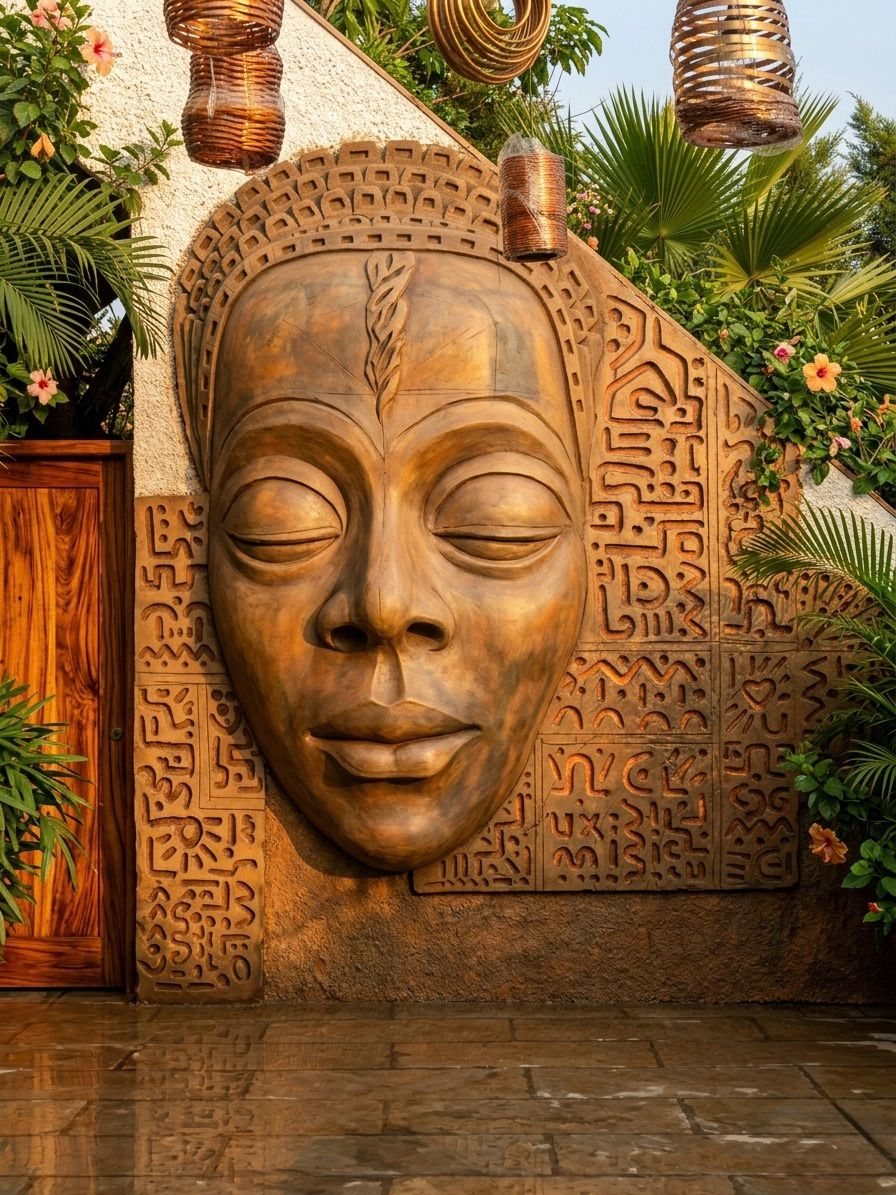
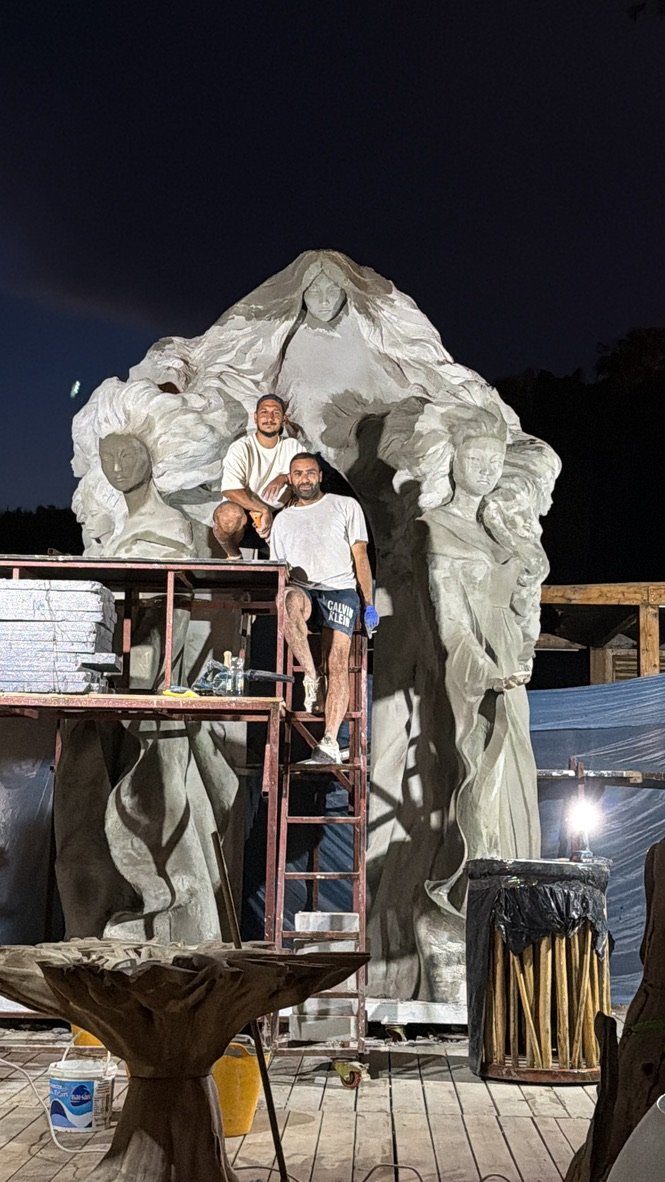
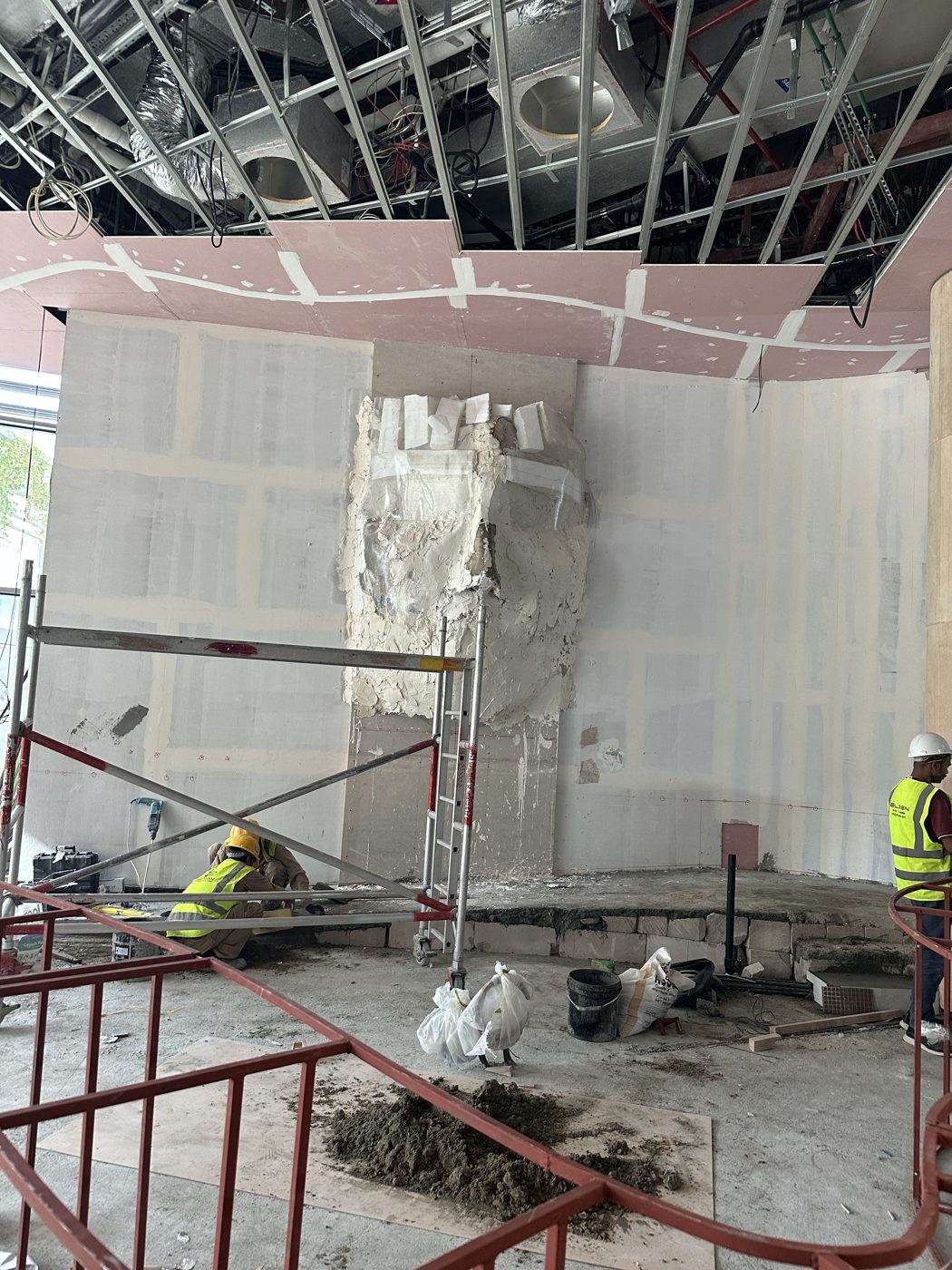
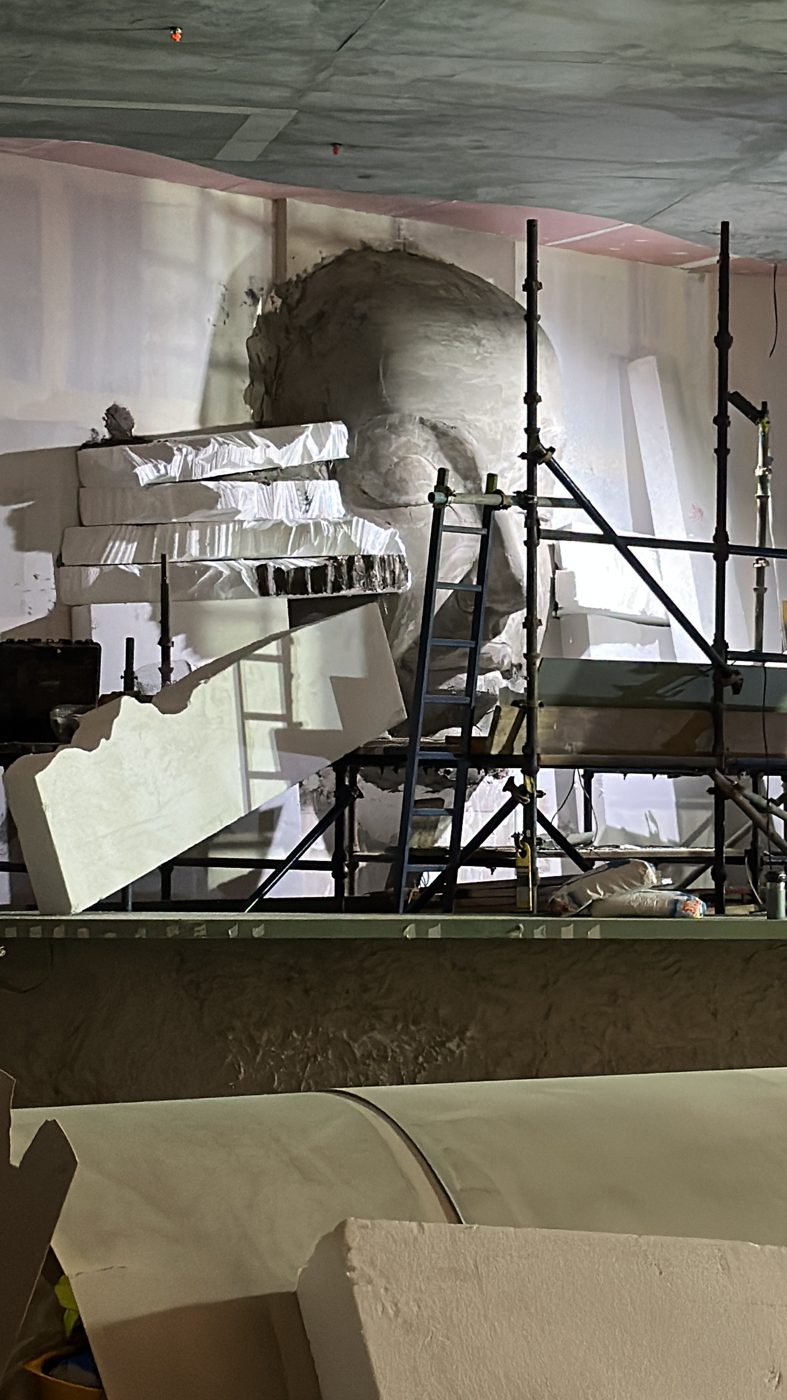
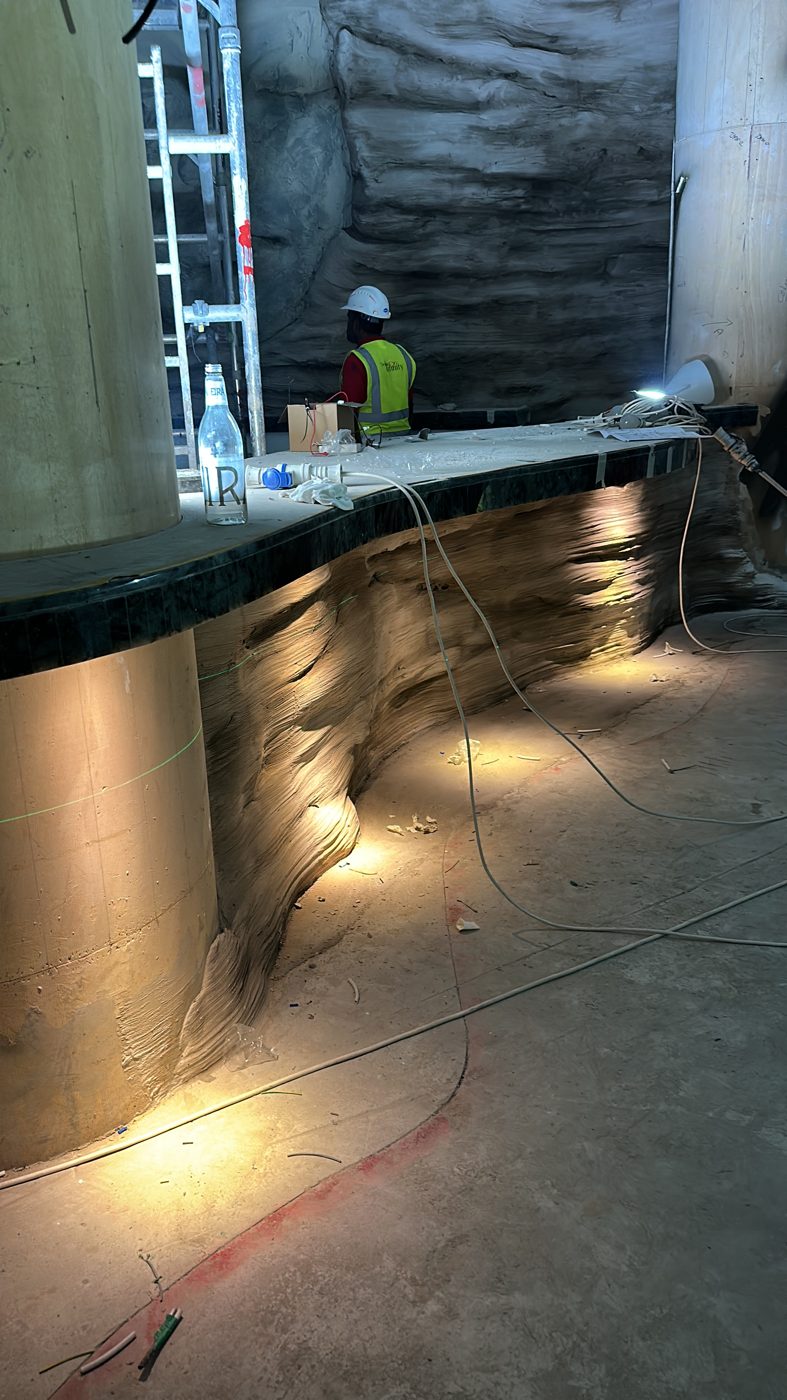
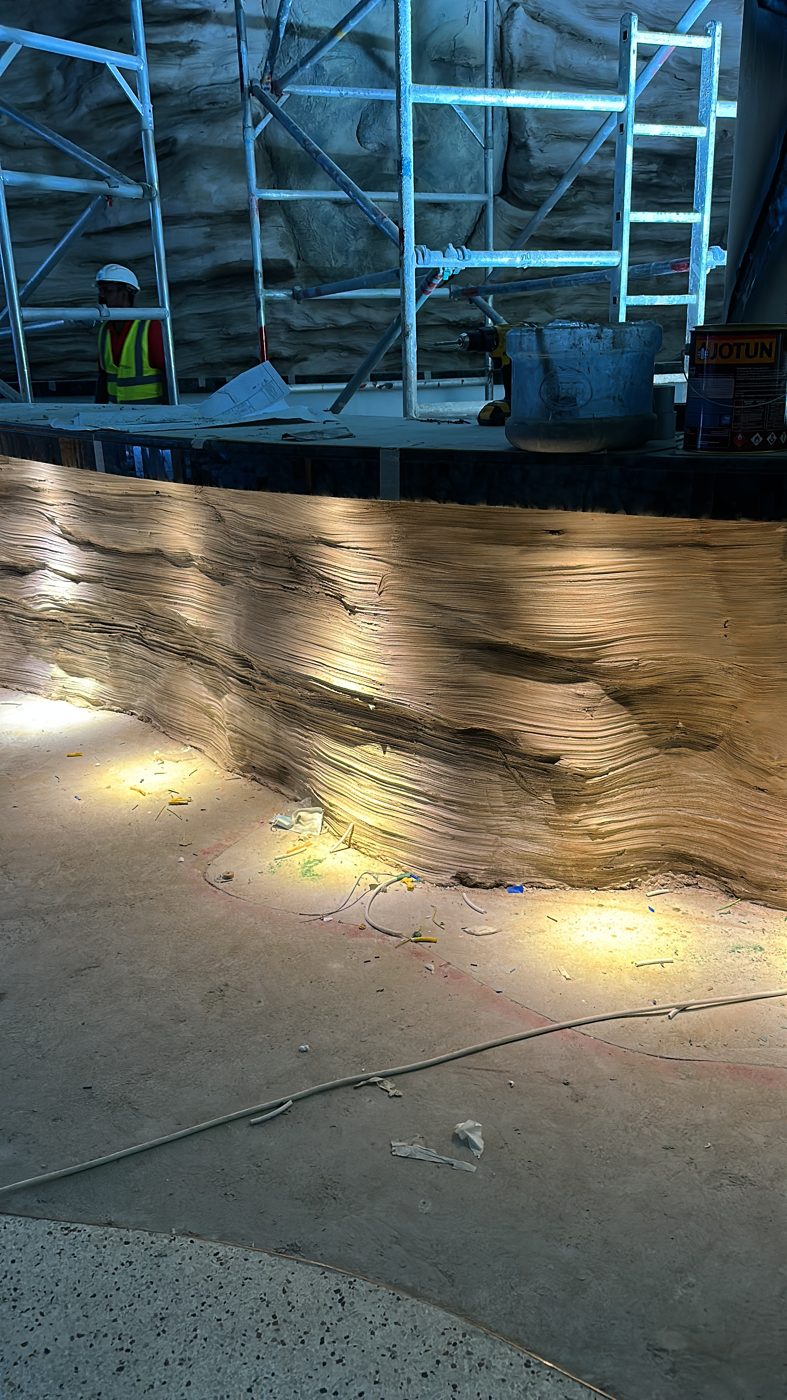
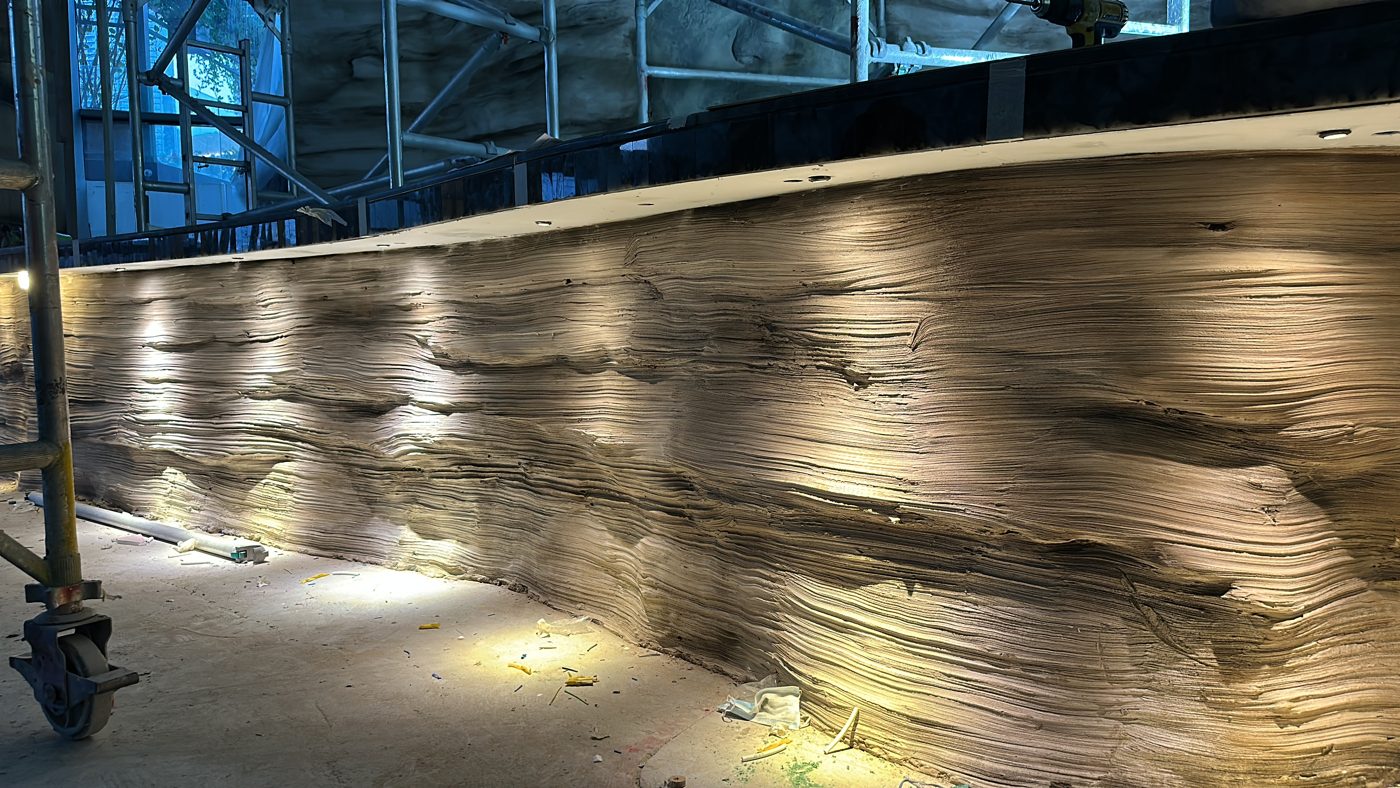
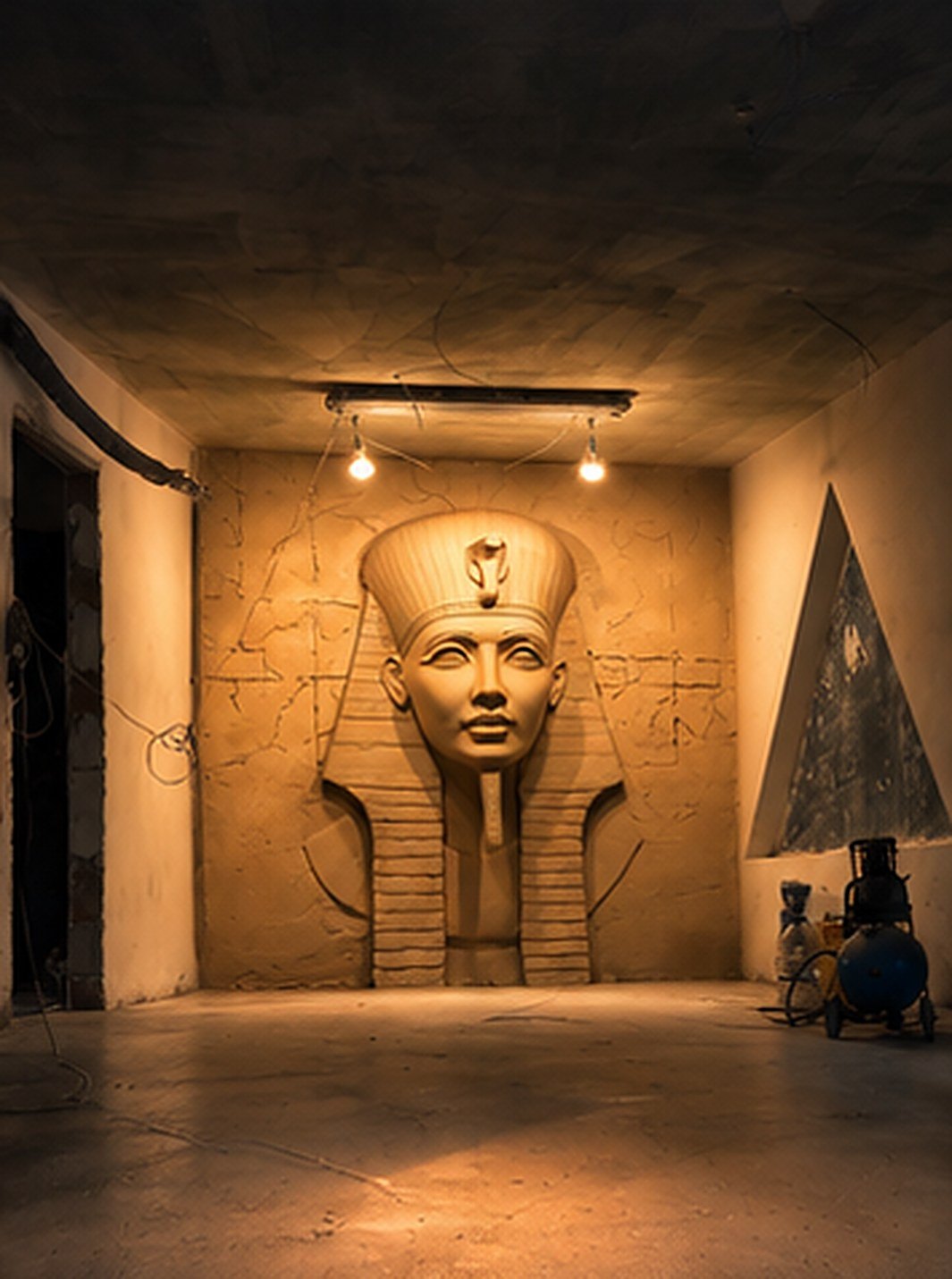
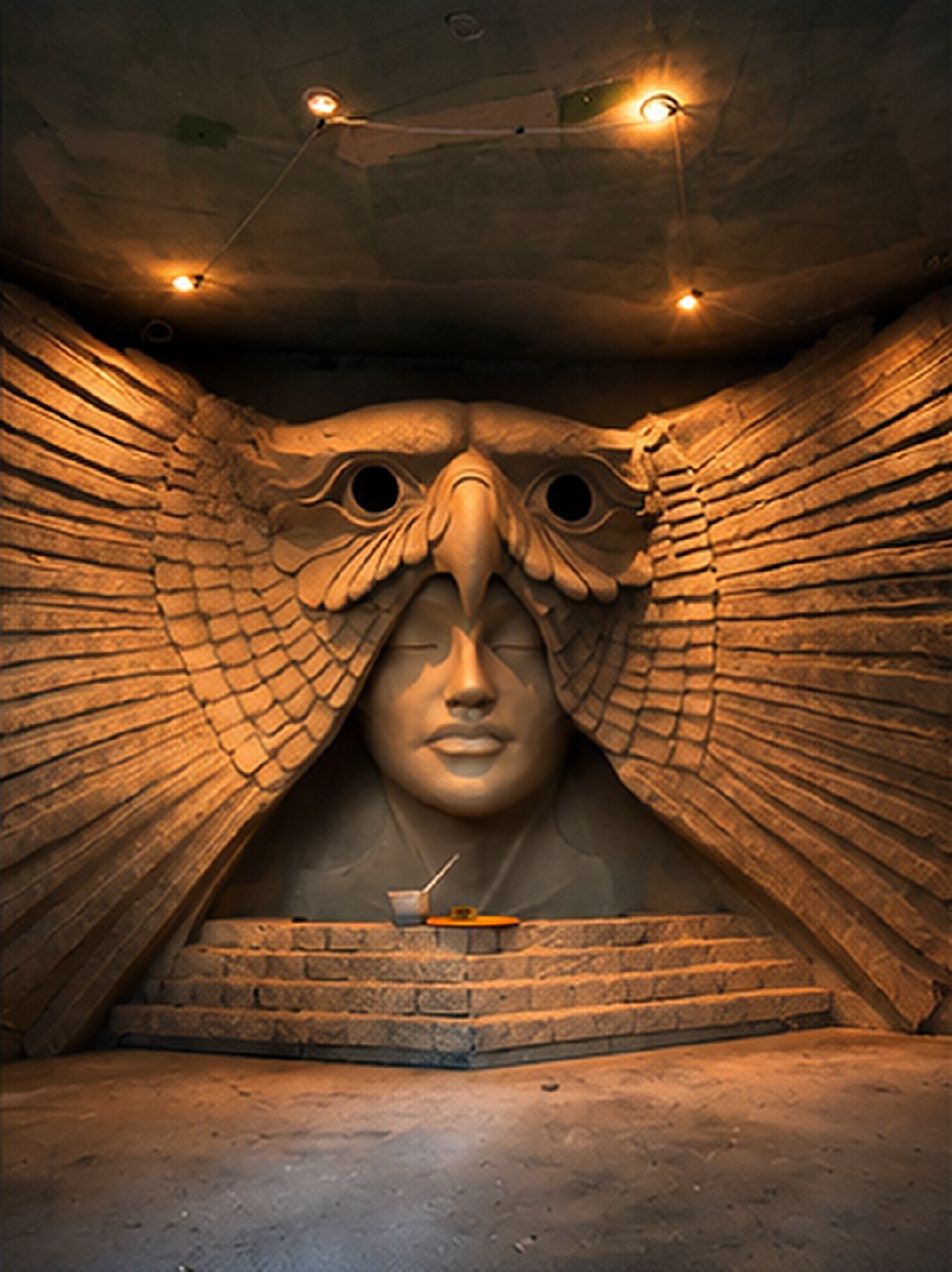
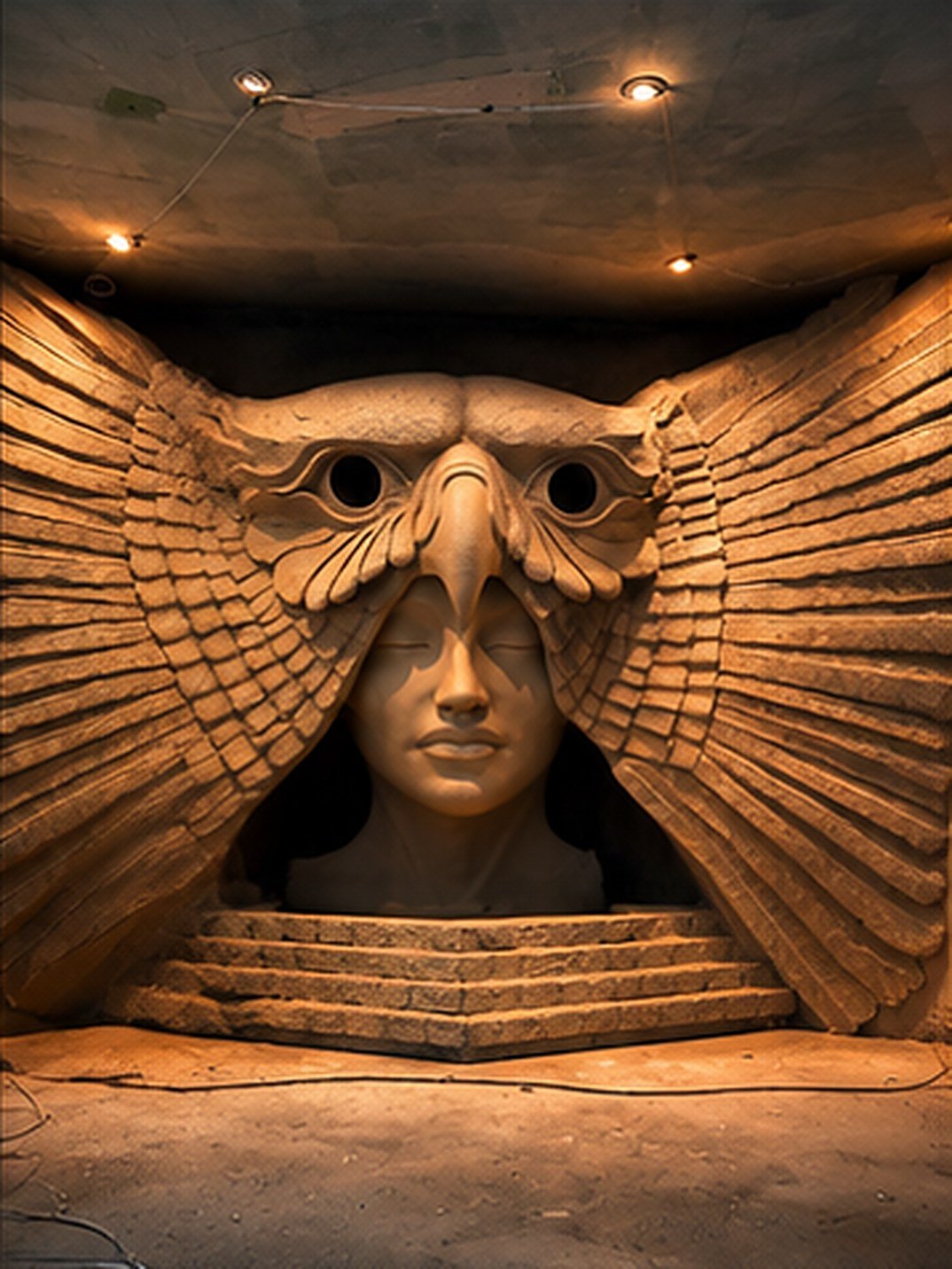
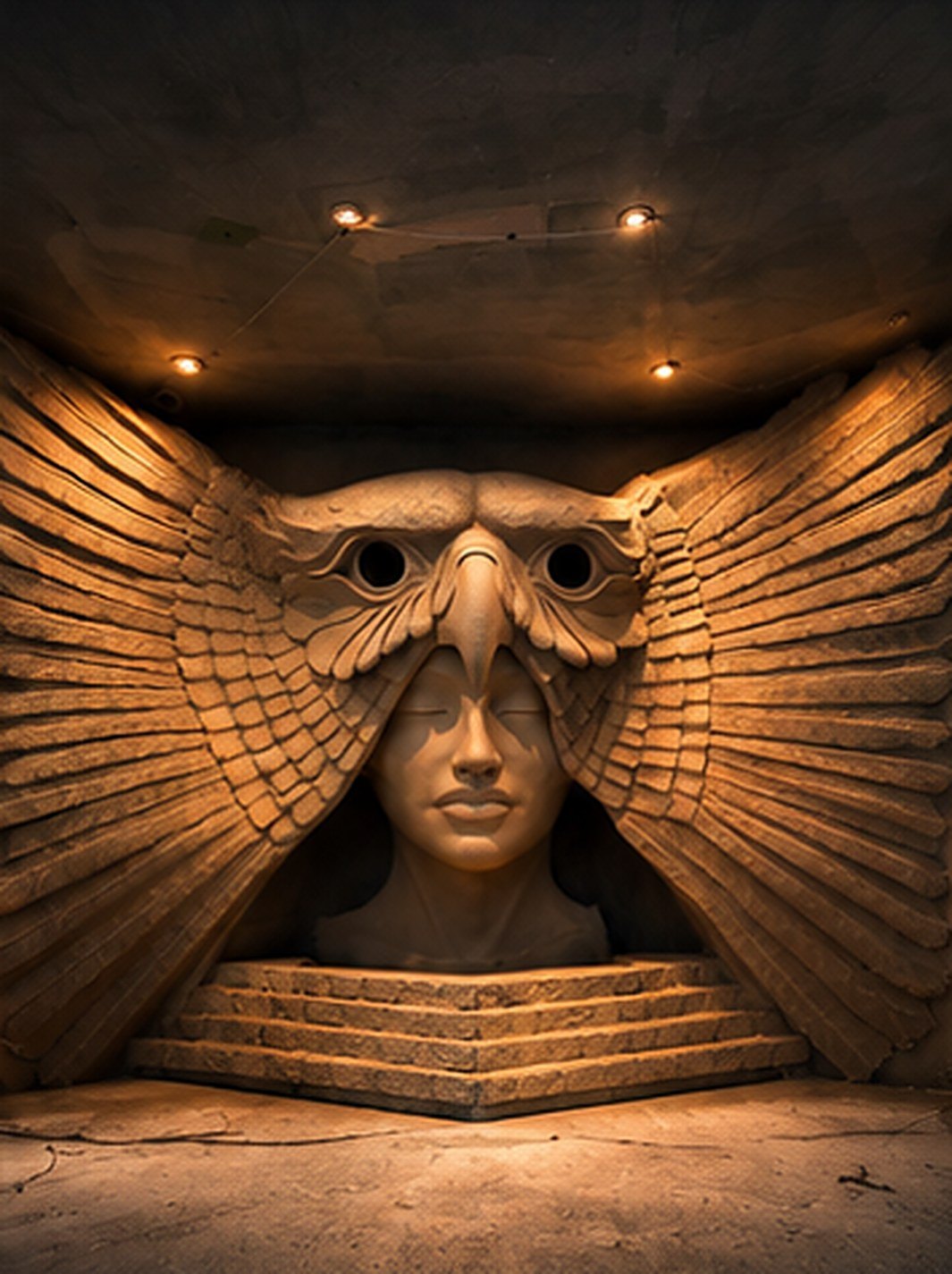
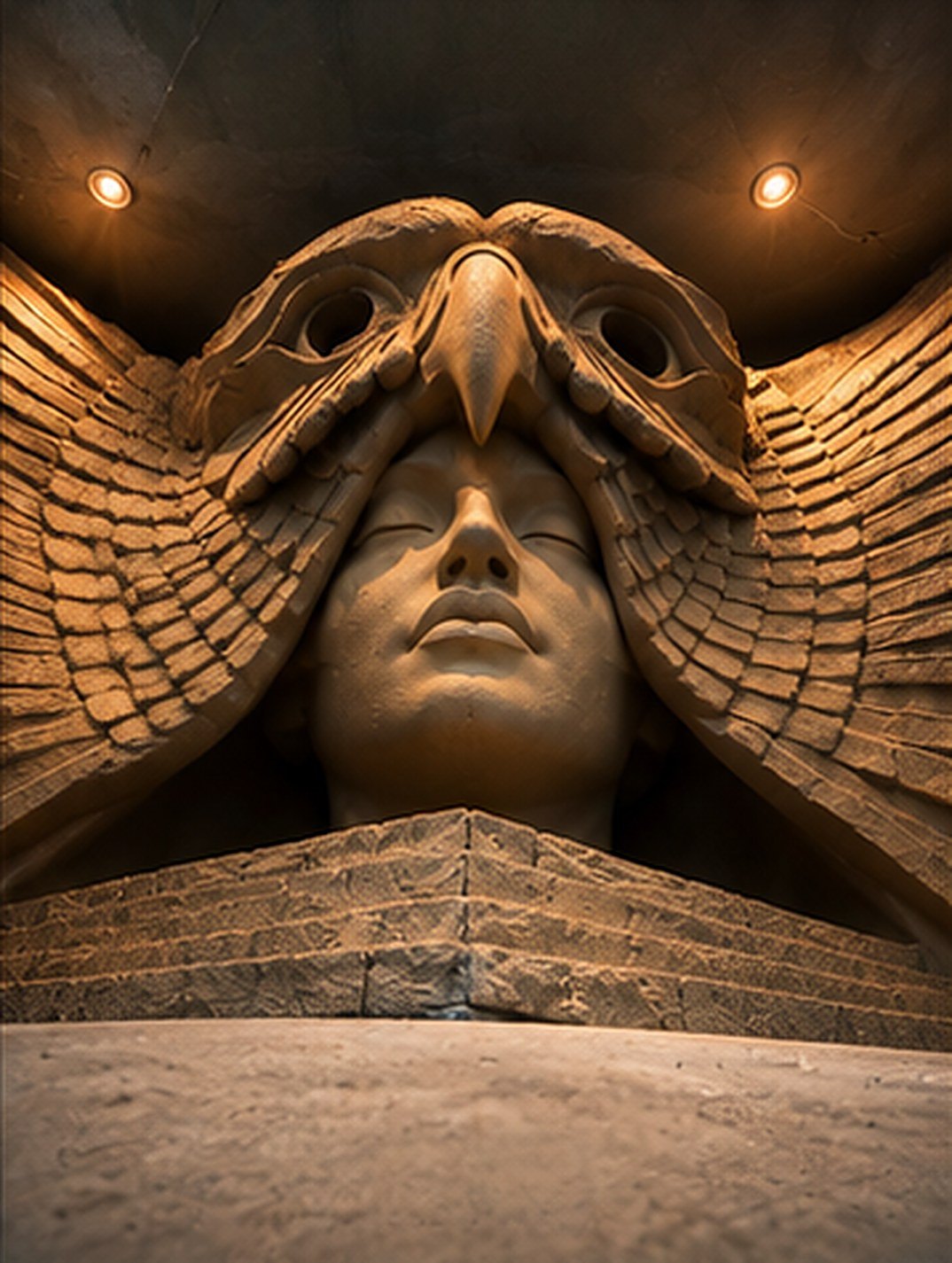
My approach of treating sculpture together with architecture is rooted in not seeing the work as an independent object produced only within the walls of a studio. By stepping outside the traditional spaces reserved for sculpture, I aim to turn the potential of architecture directly into my field of production. For me, creation is not about squeezing into a given volume; it is about actively using what the space offers and making the sculpture one with the place it lives in.
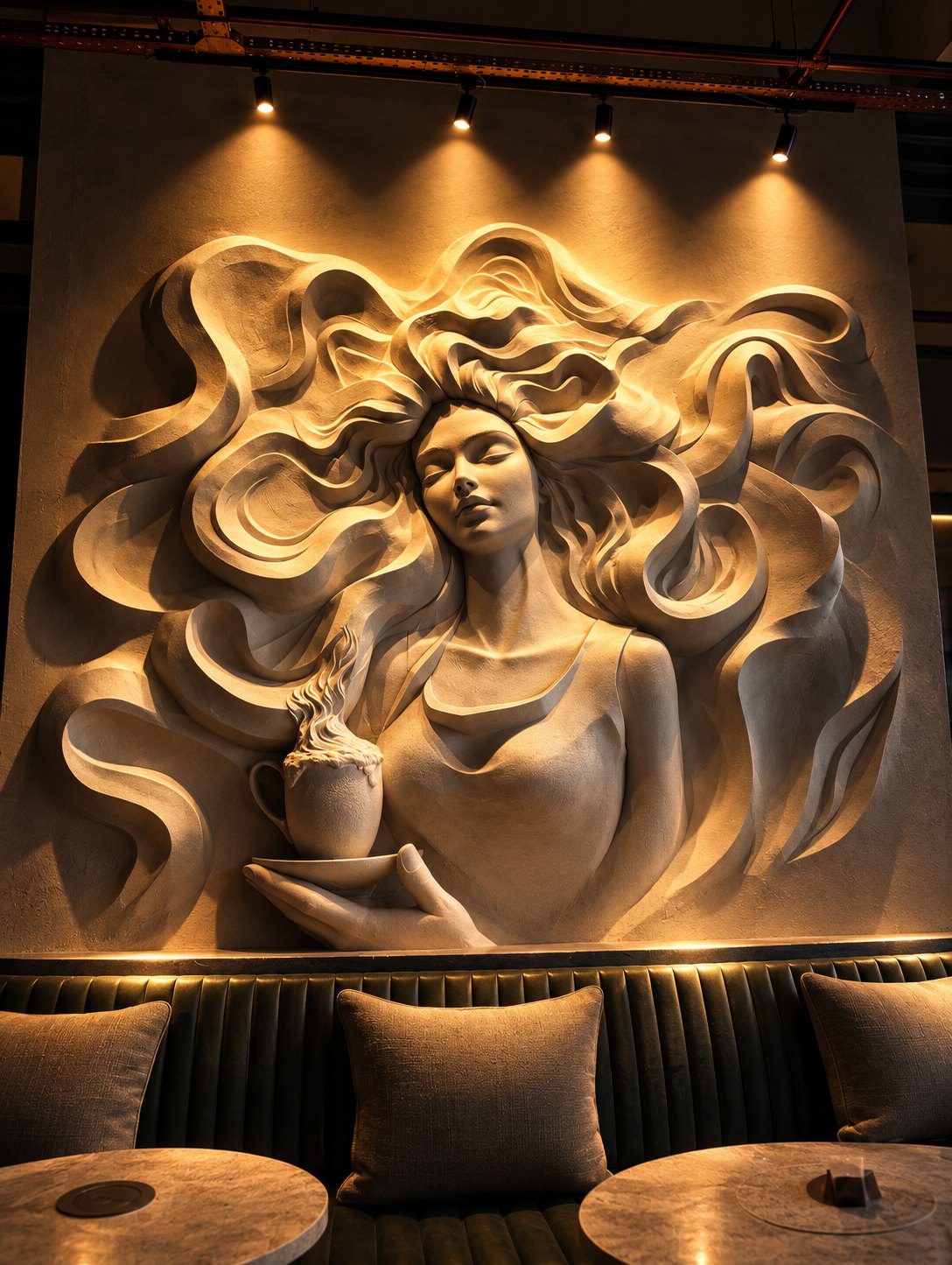
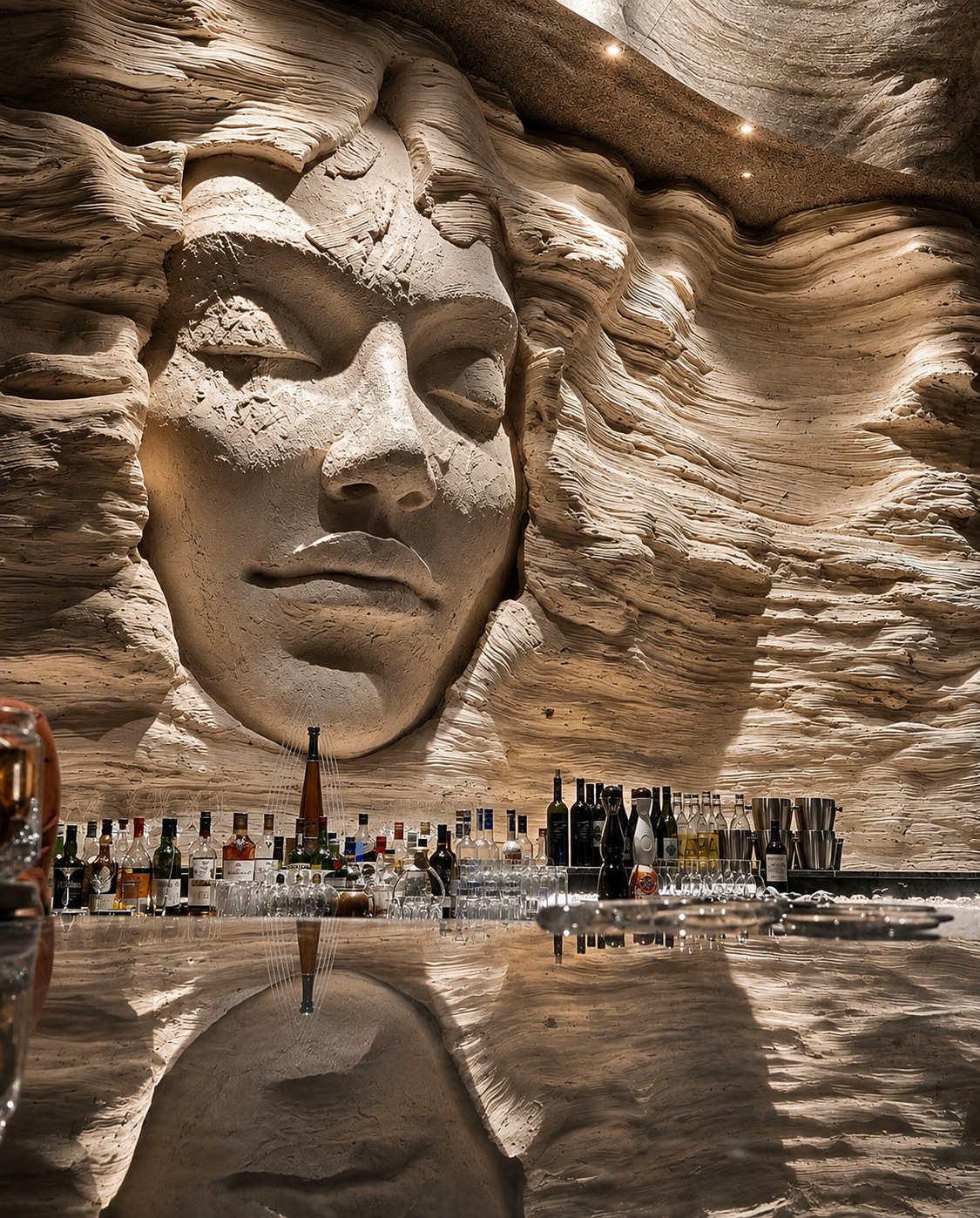
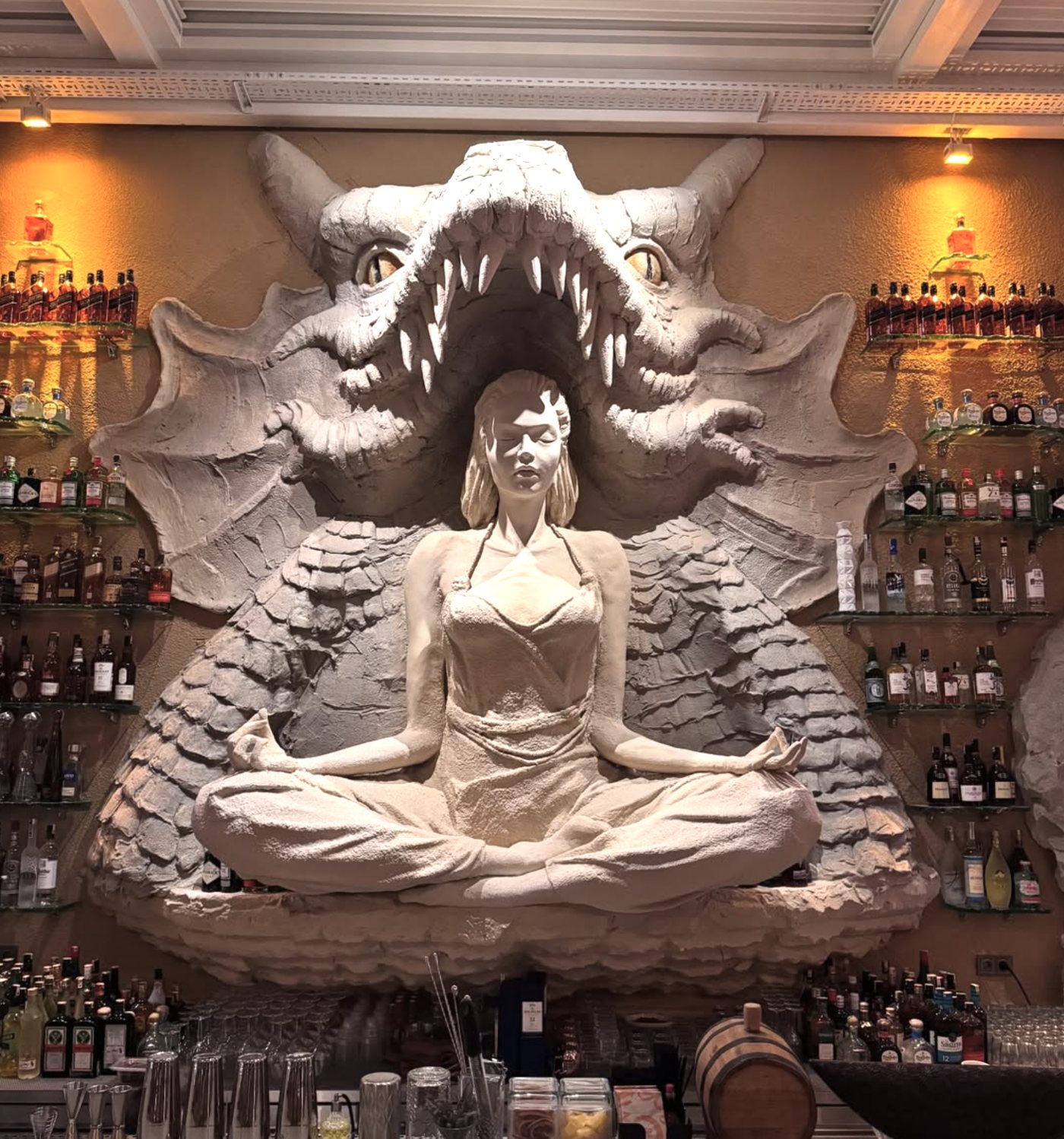
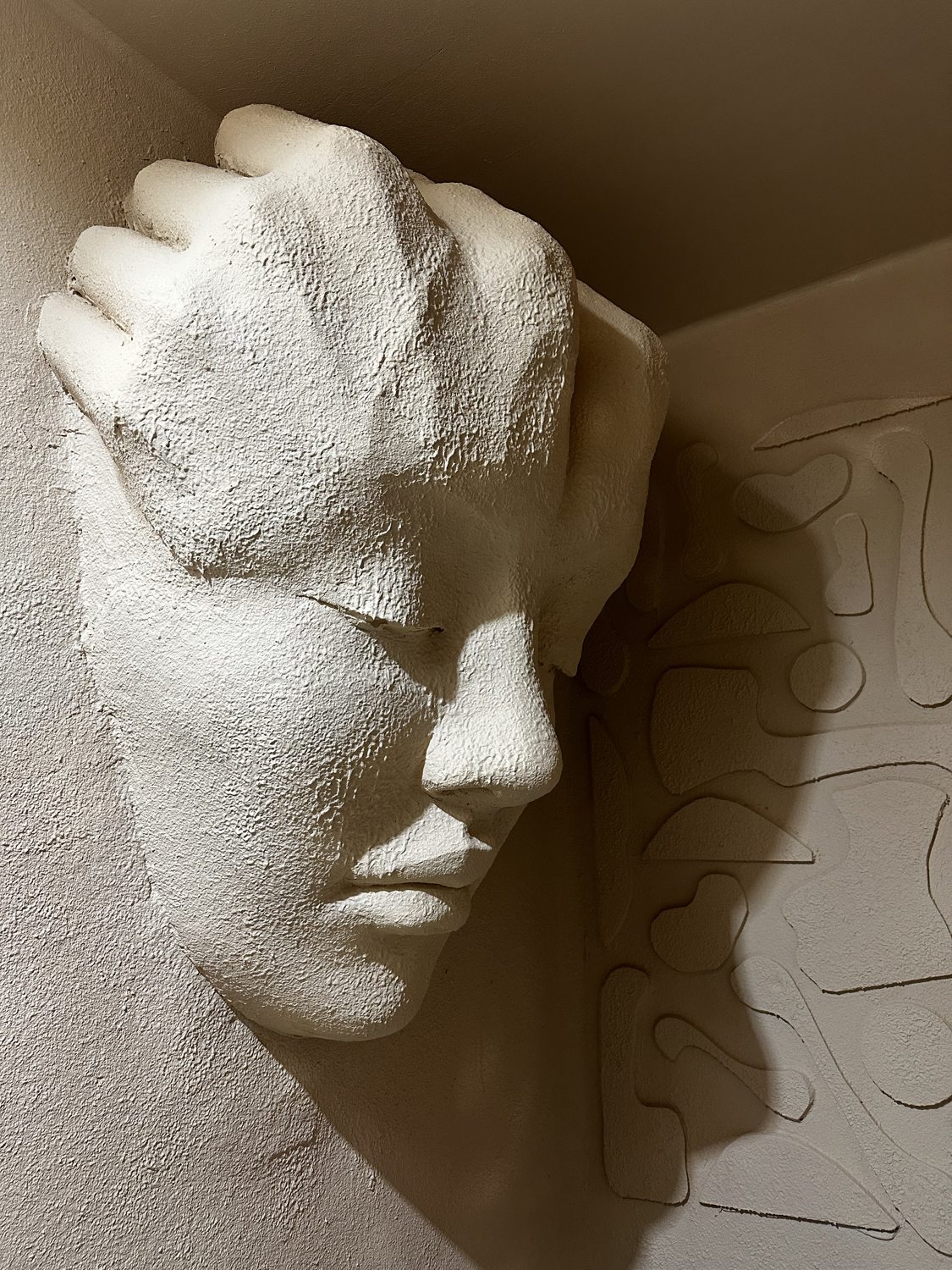
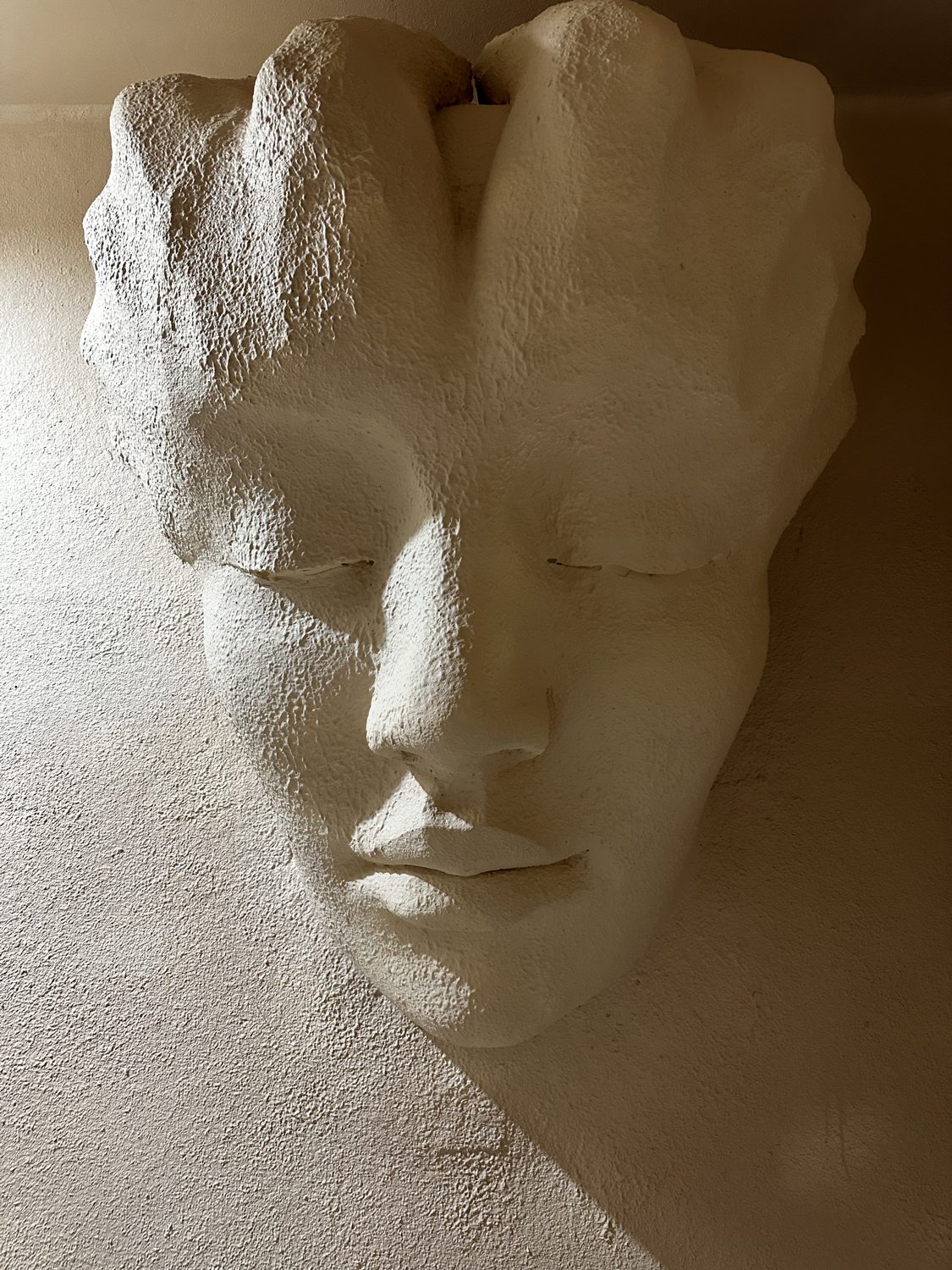
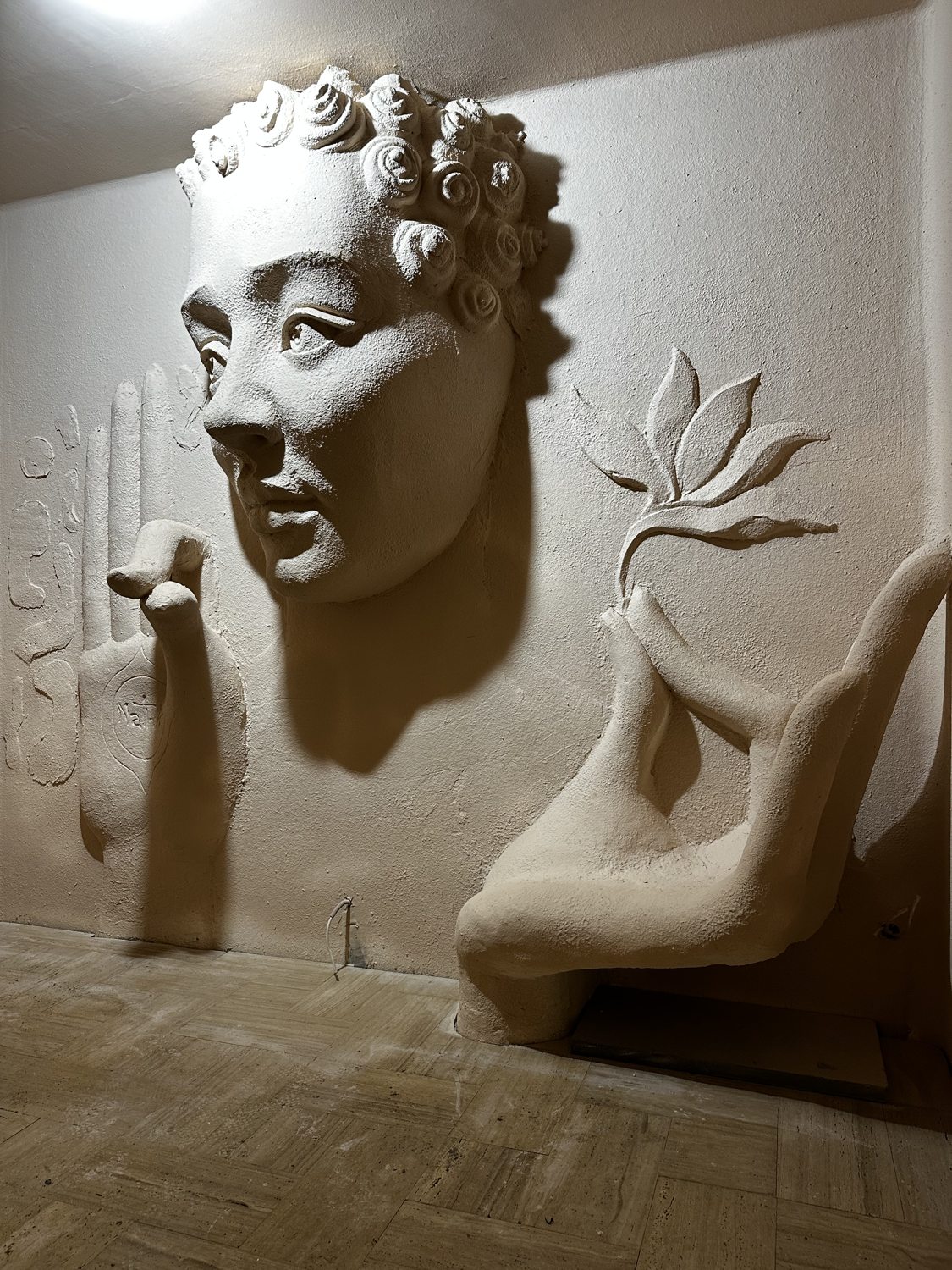
In my work, the fundamental plastic questions — the mass of the sculpture, its placement, the relationship of light and shadow — are considered together with the attitude, rhythm and ergonomics of the architecture, in line with how the space is used. The work thus ceases to be something added to a building afterwards and becomes part of its structural and aesthetic identity.
I believe that architecture and art have historically been two inseparable disciplines. Today, I feel that sculpture in particular has been pulled away from its essential context and social function by new aesthetic currents and dogmatic approaches. That is why, while preserving the fundamental qualities of sculpture, I feel a responsibility to carry art into everyday life.
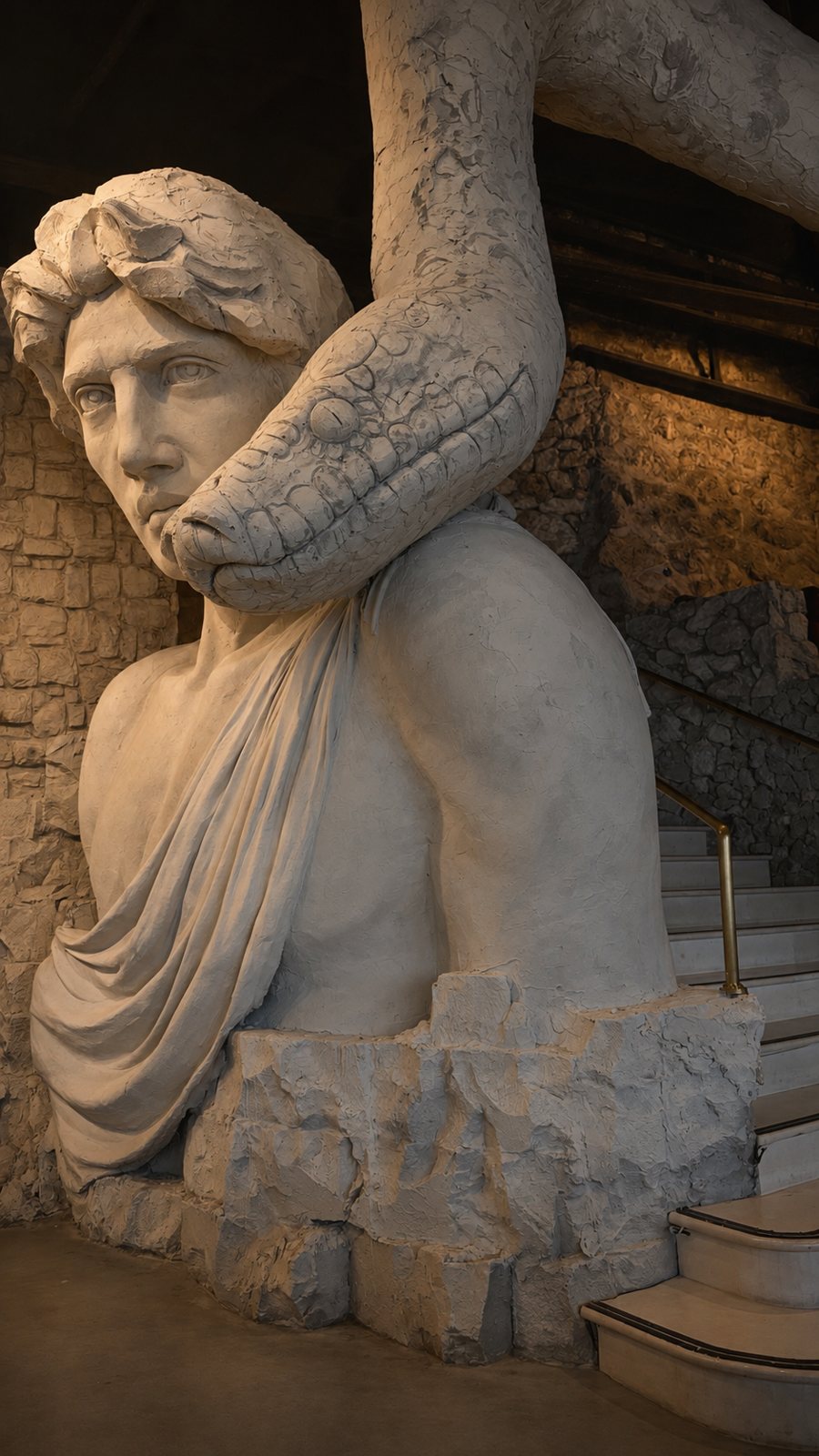
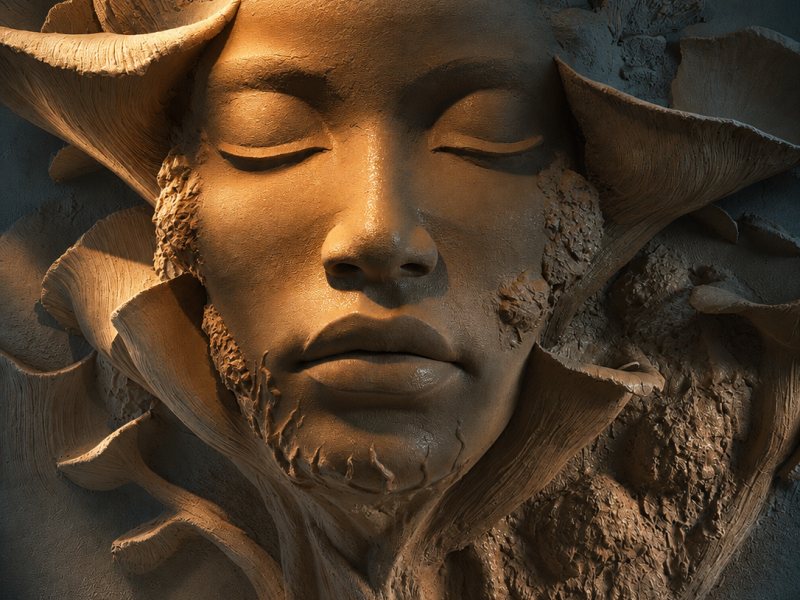
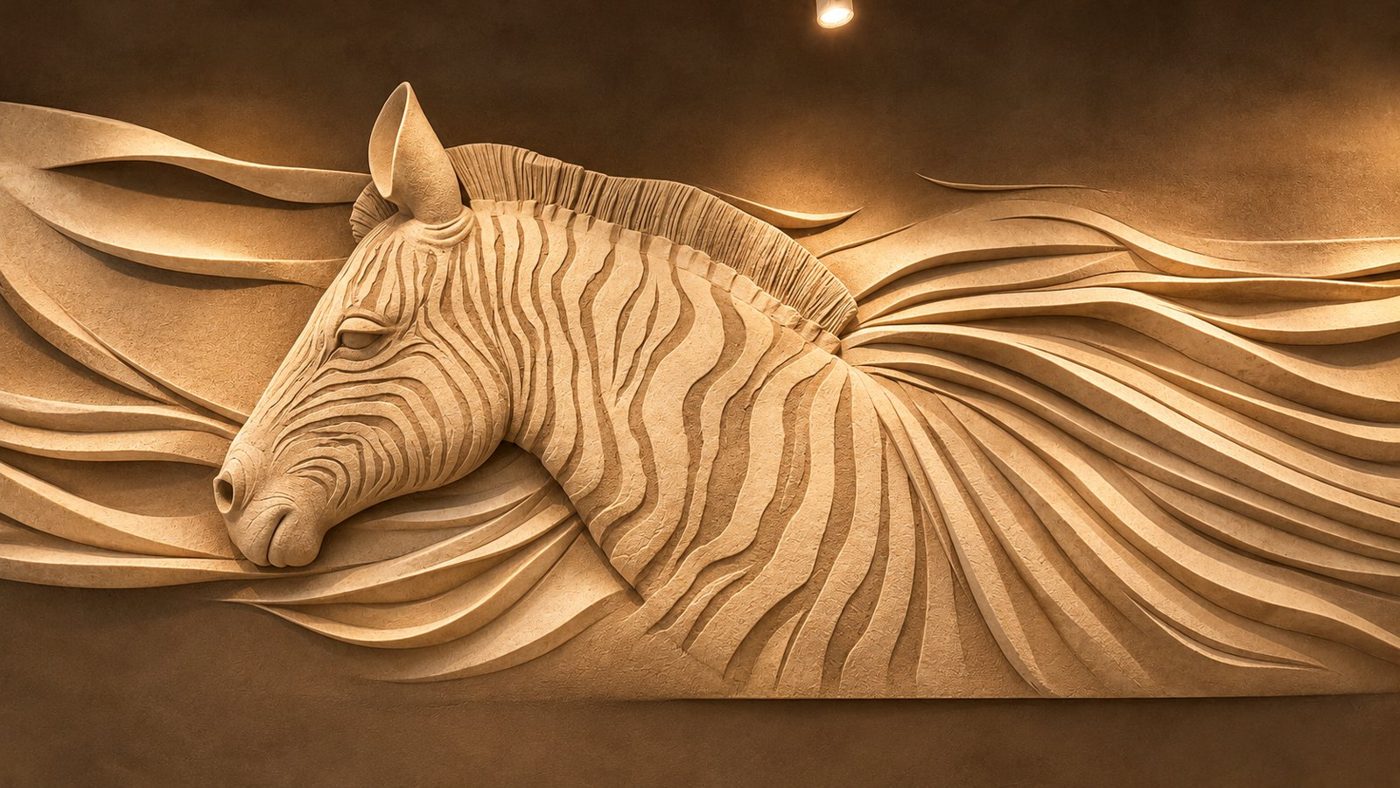
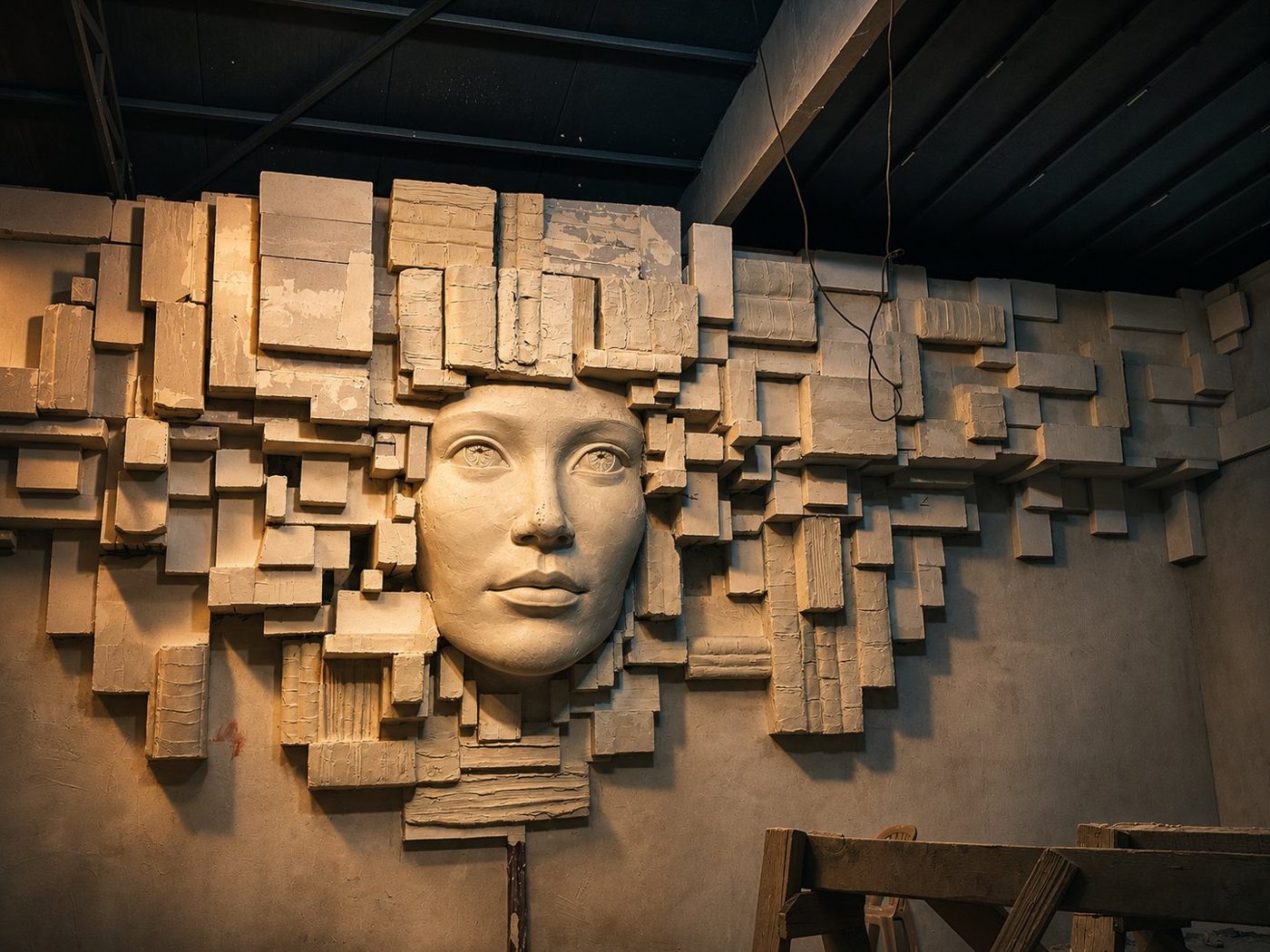
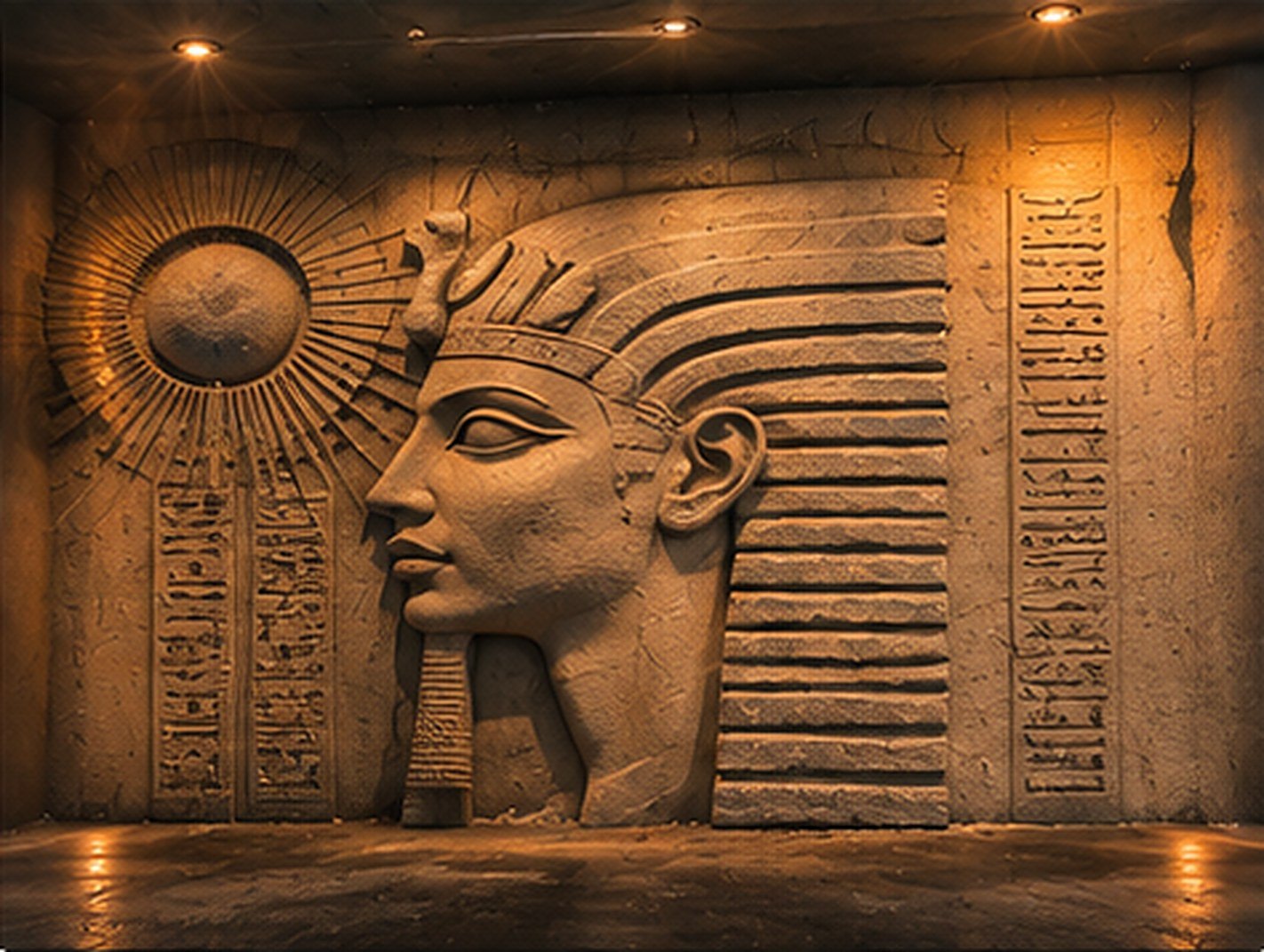
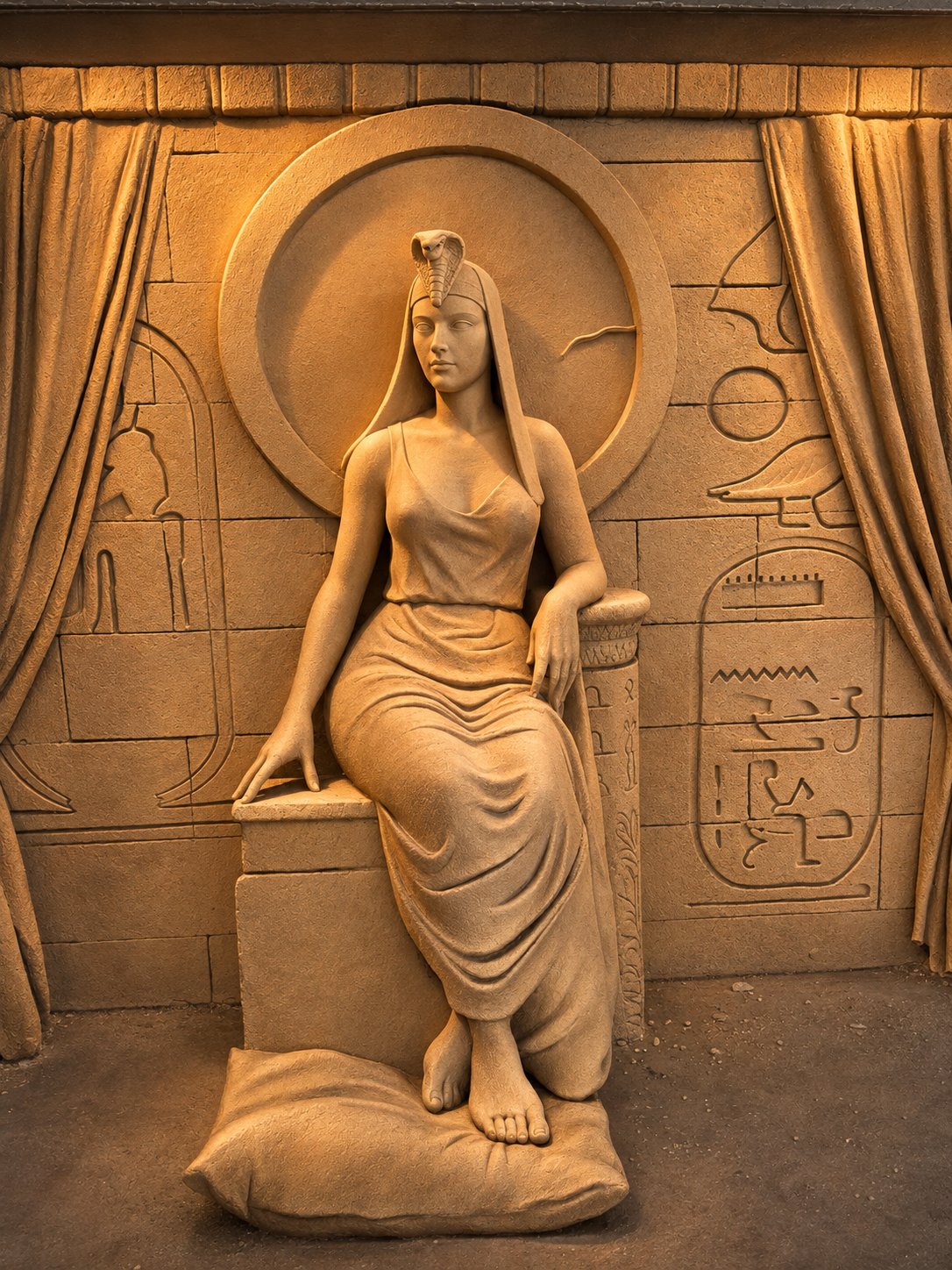
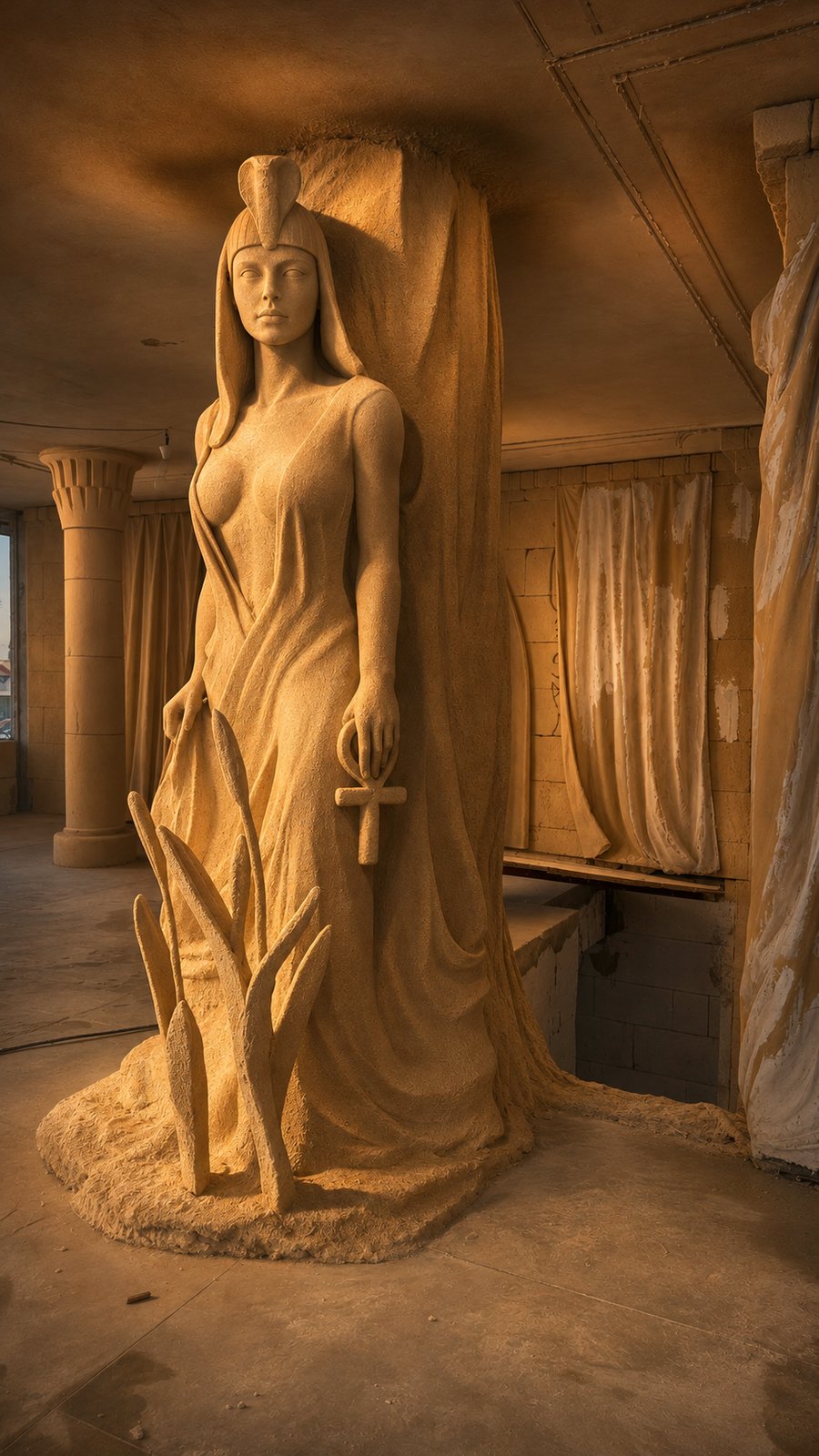
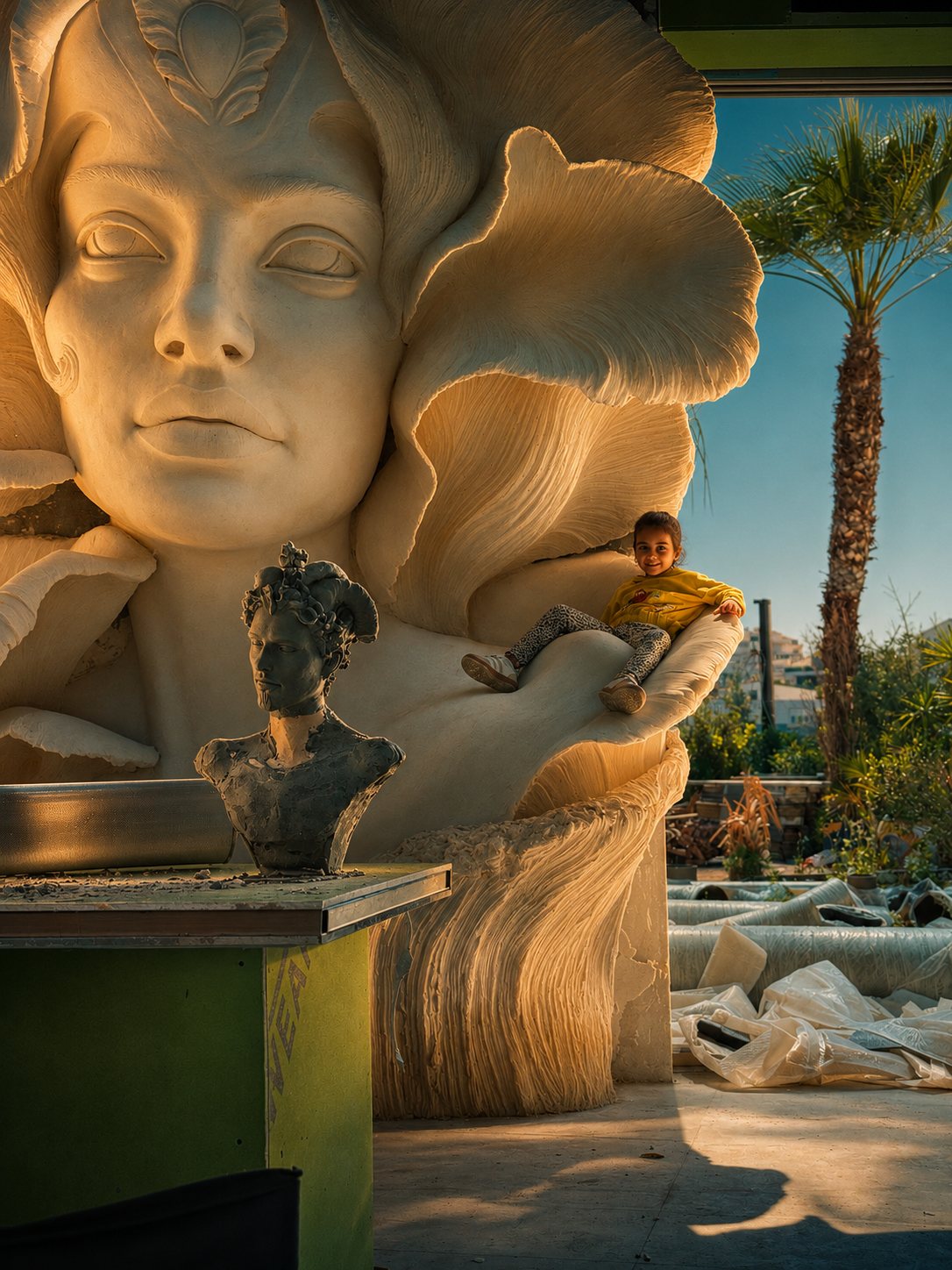
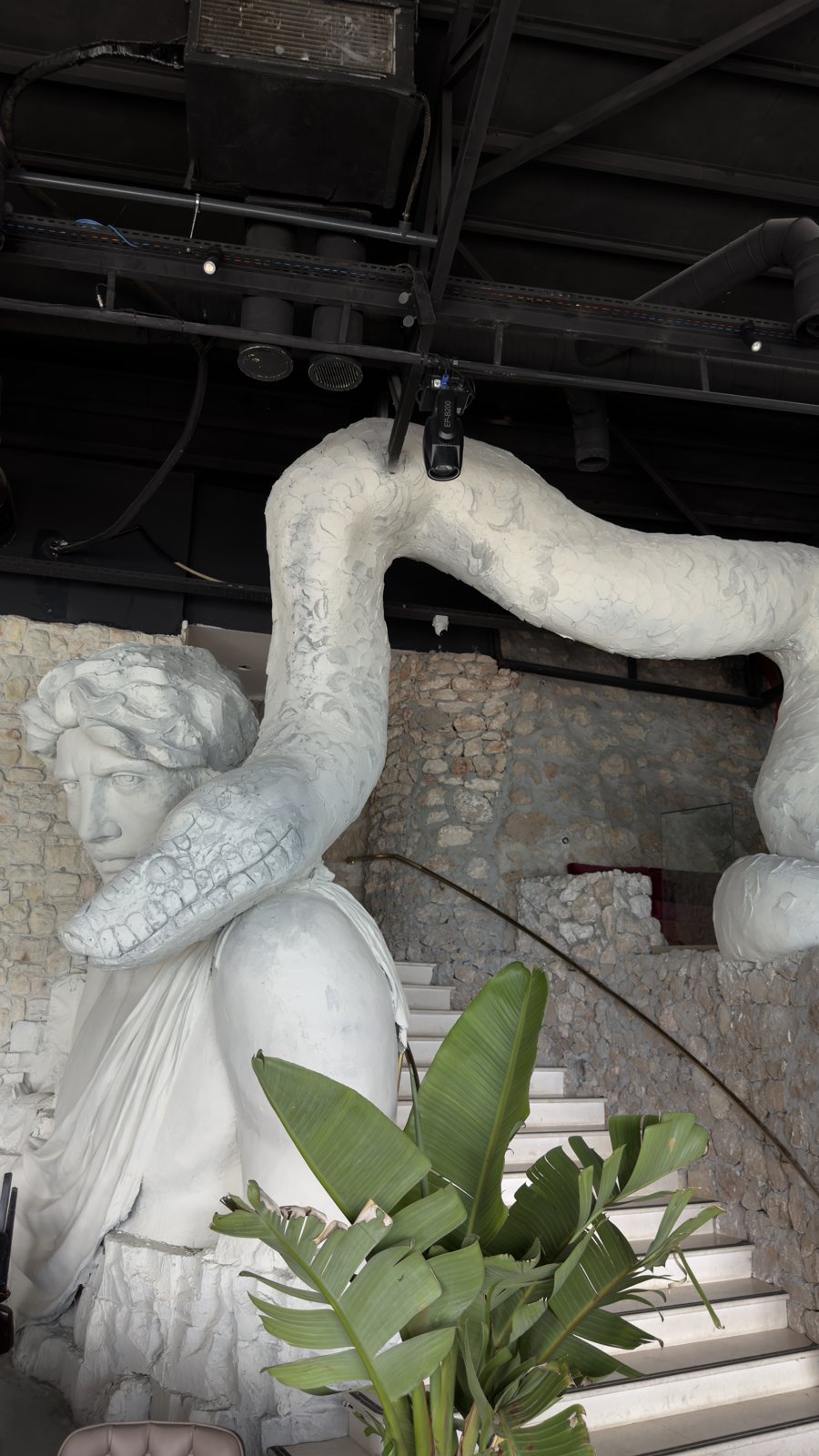
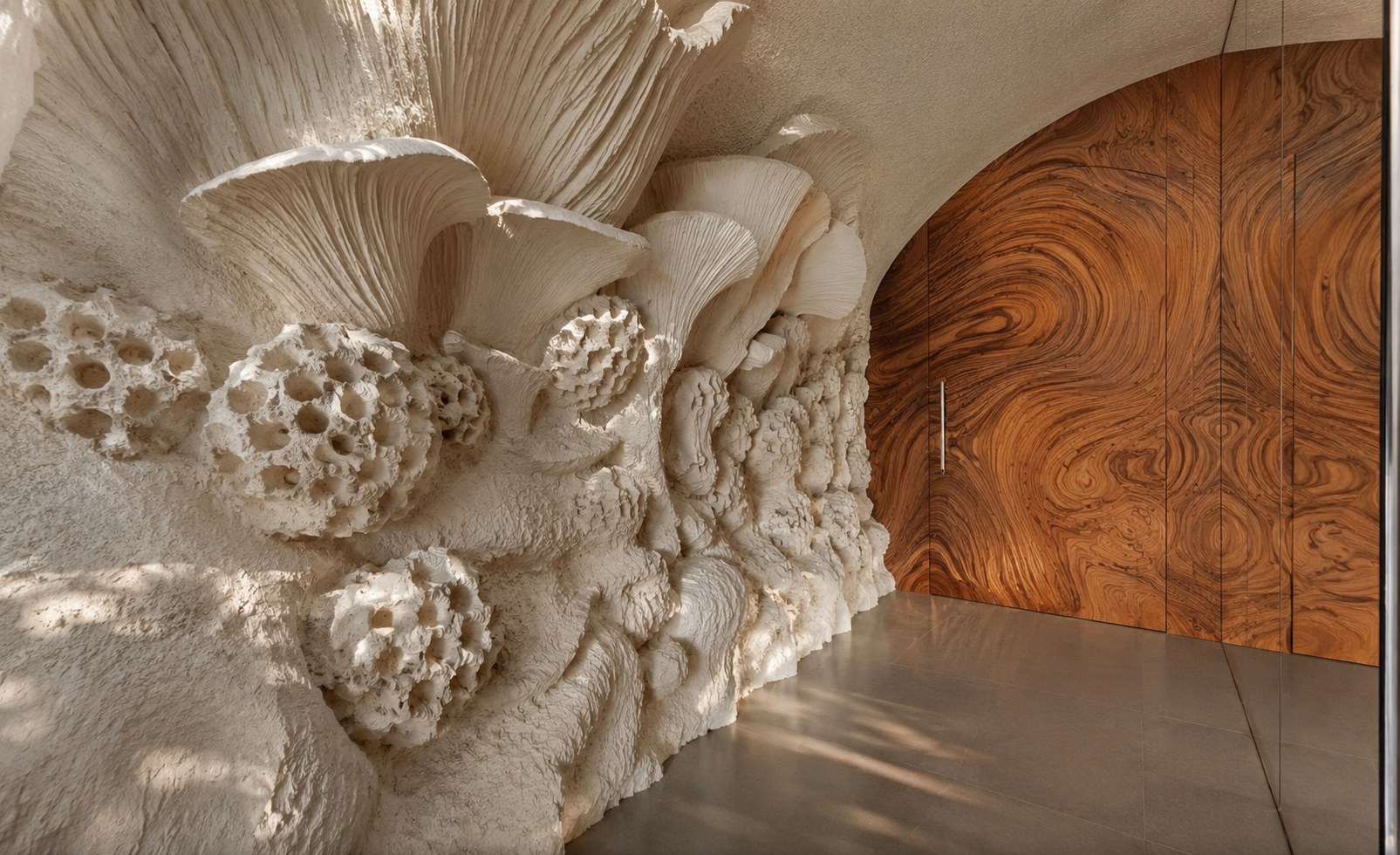
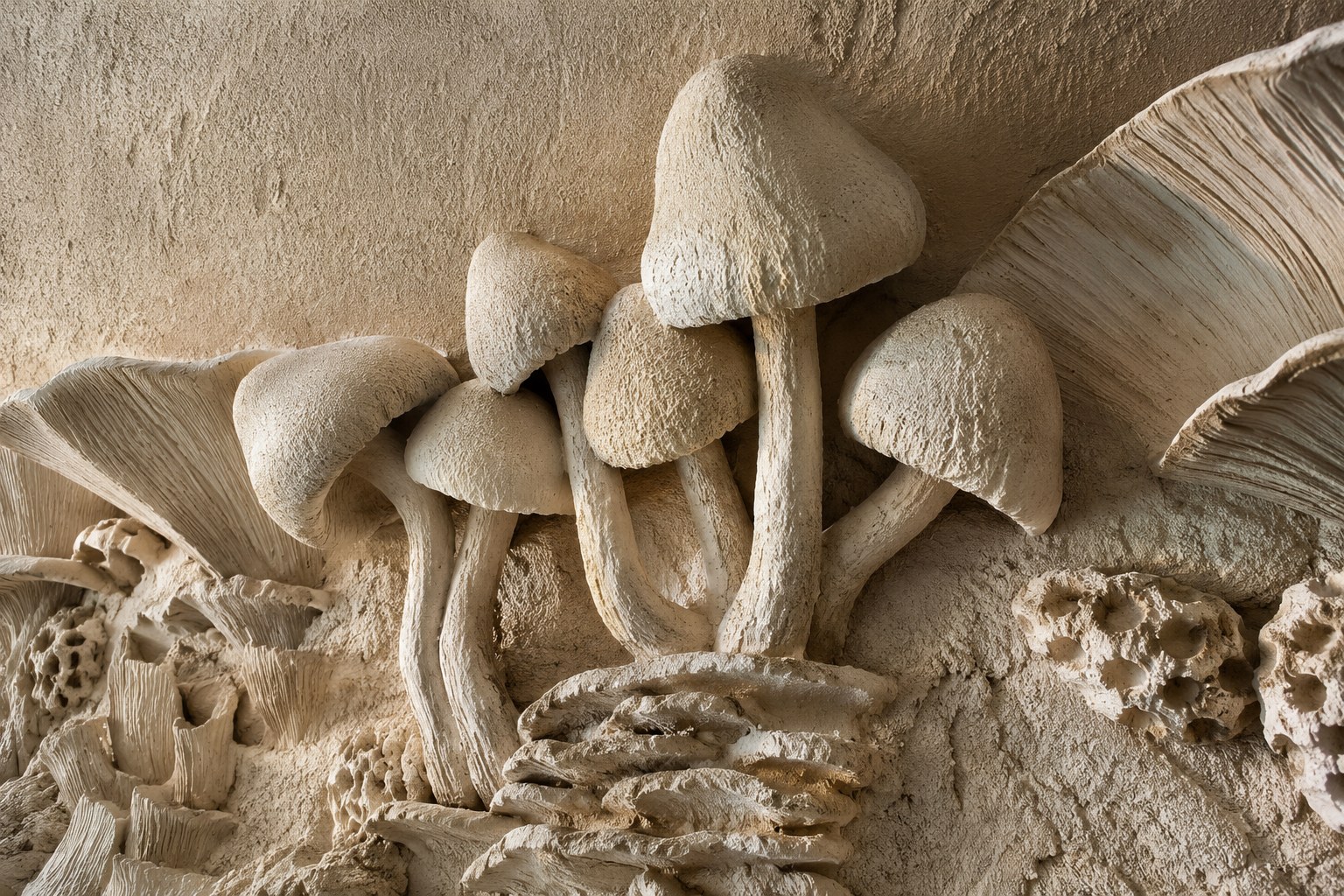
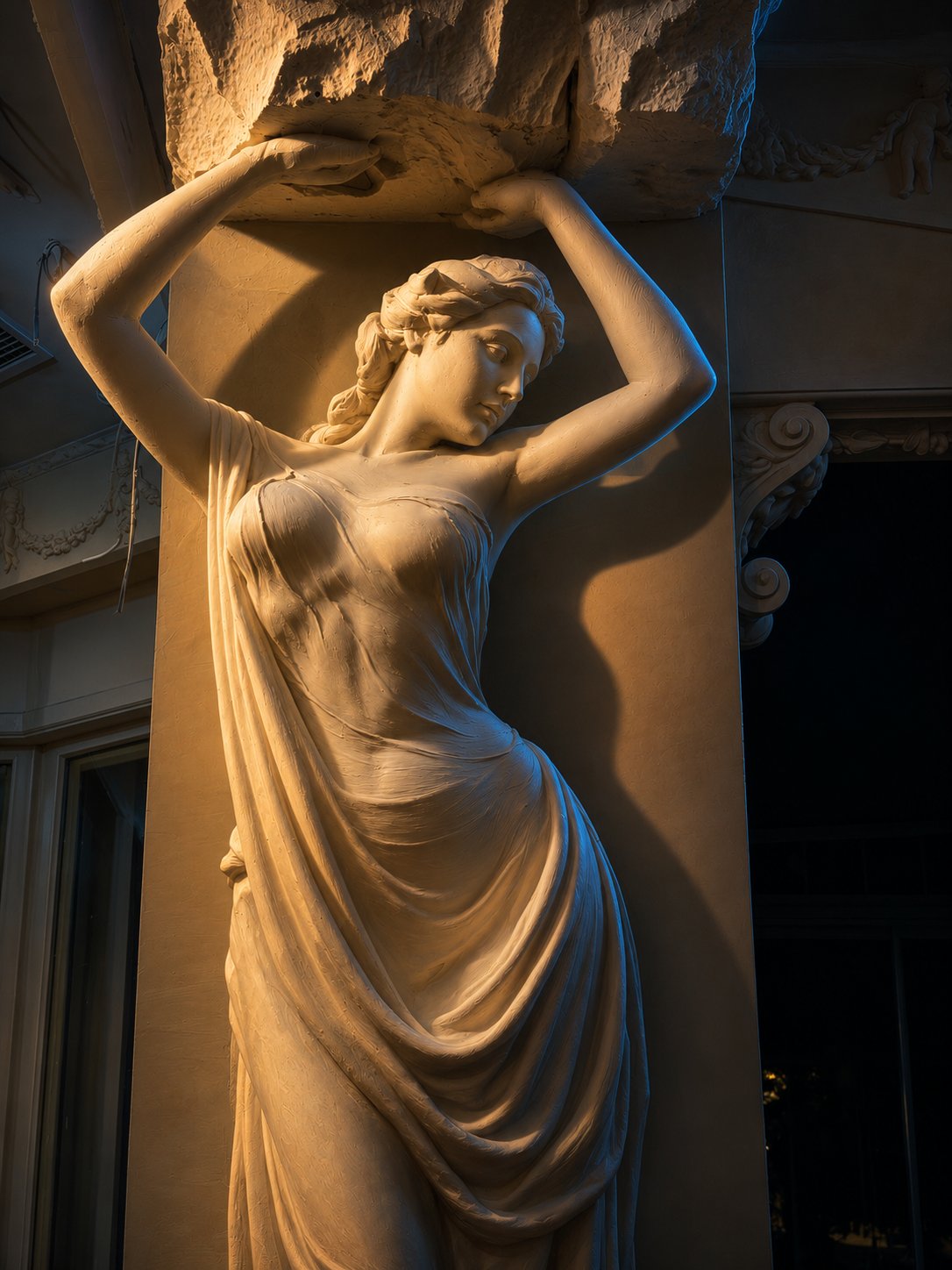
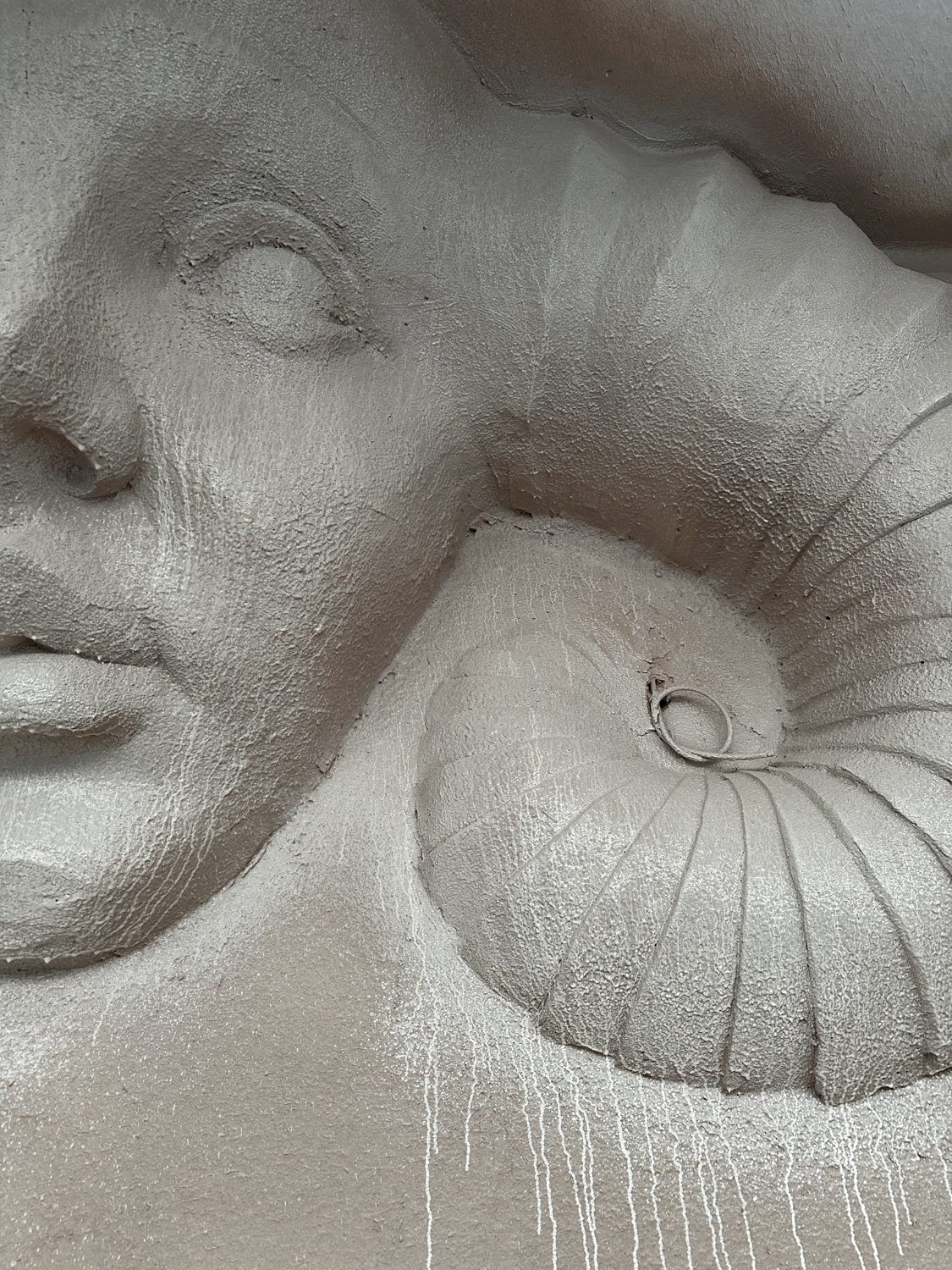
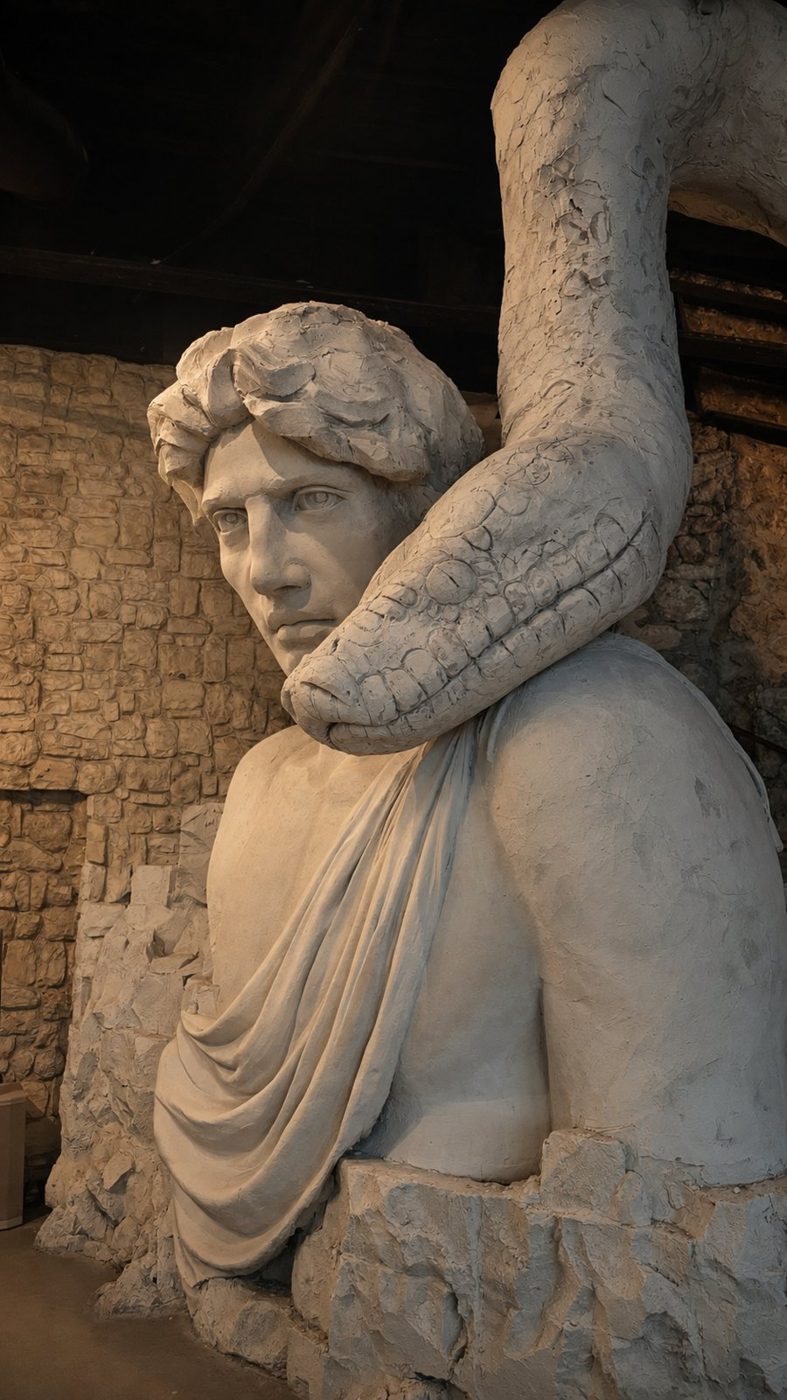
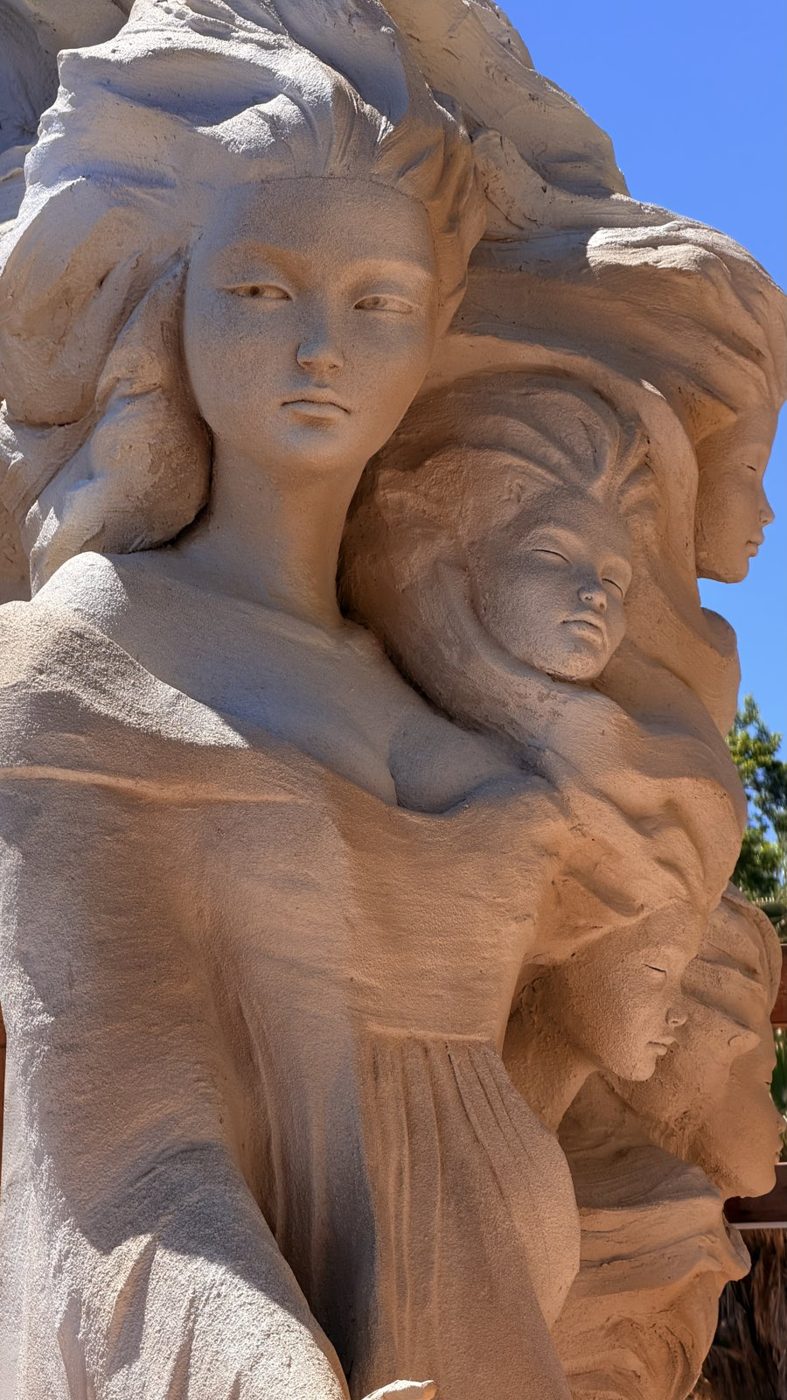
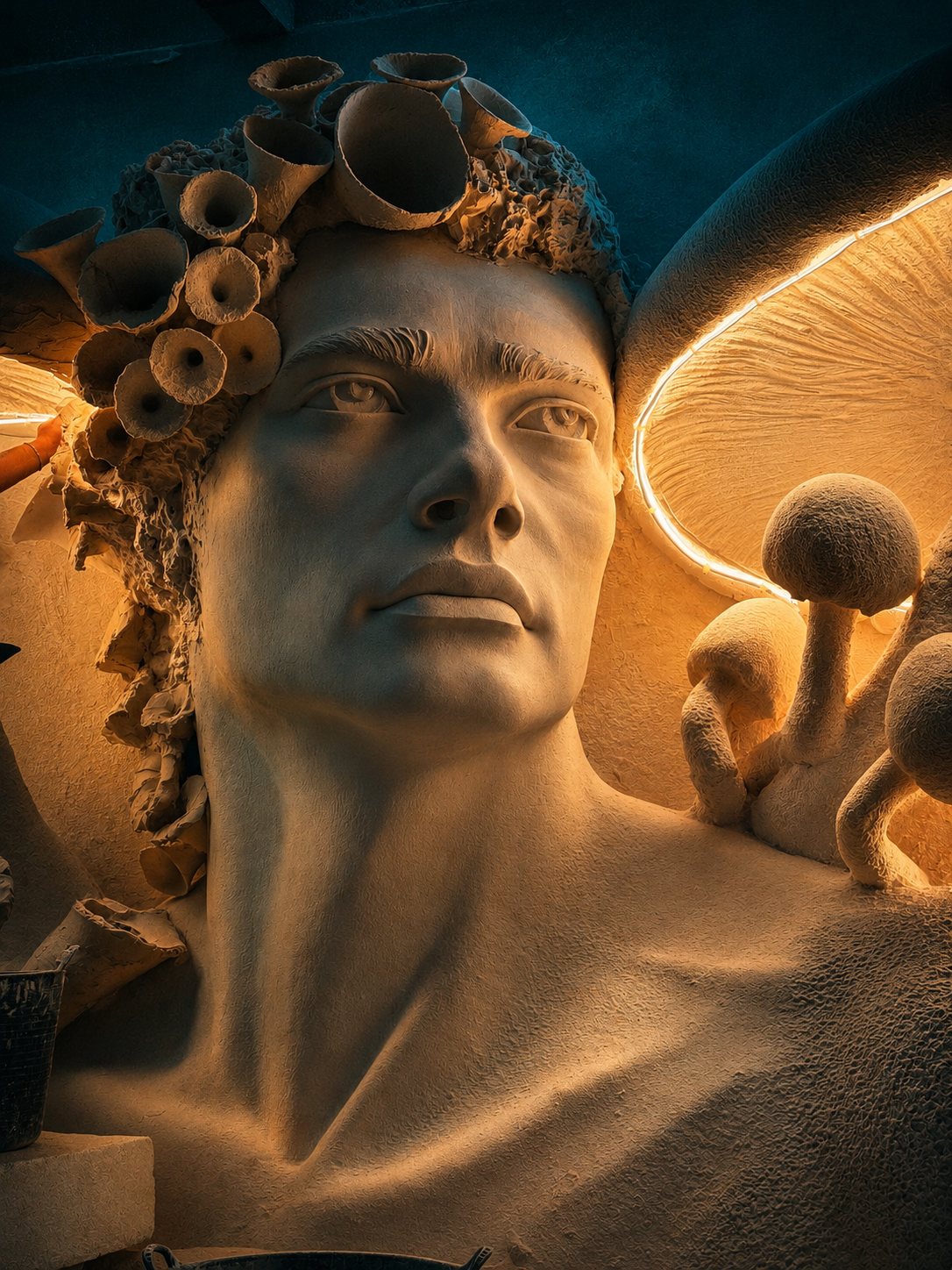
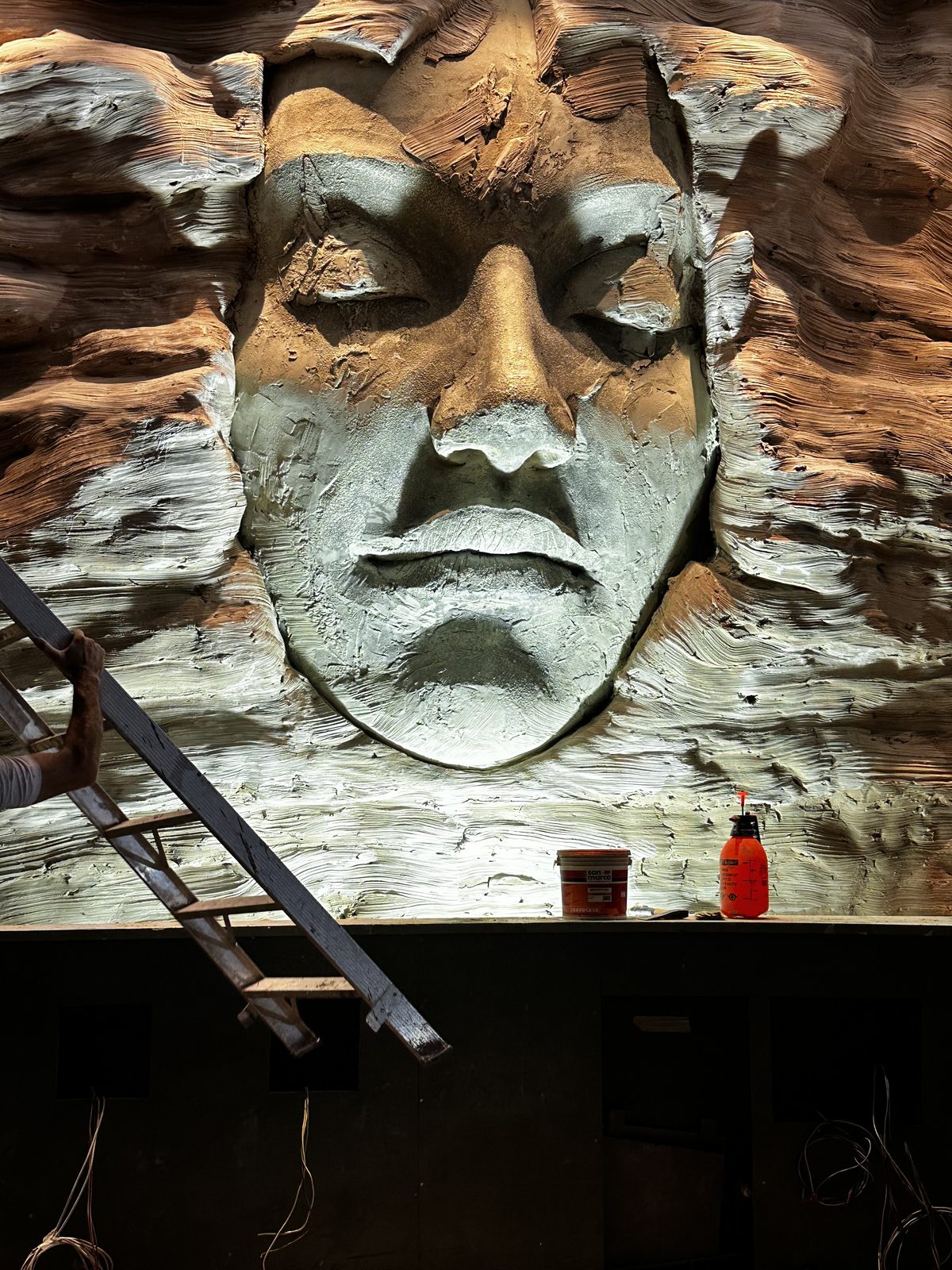
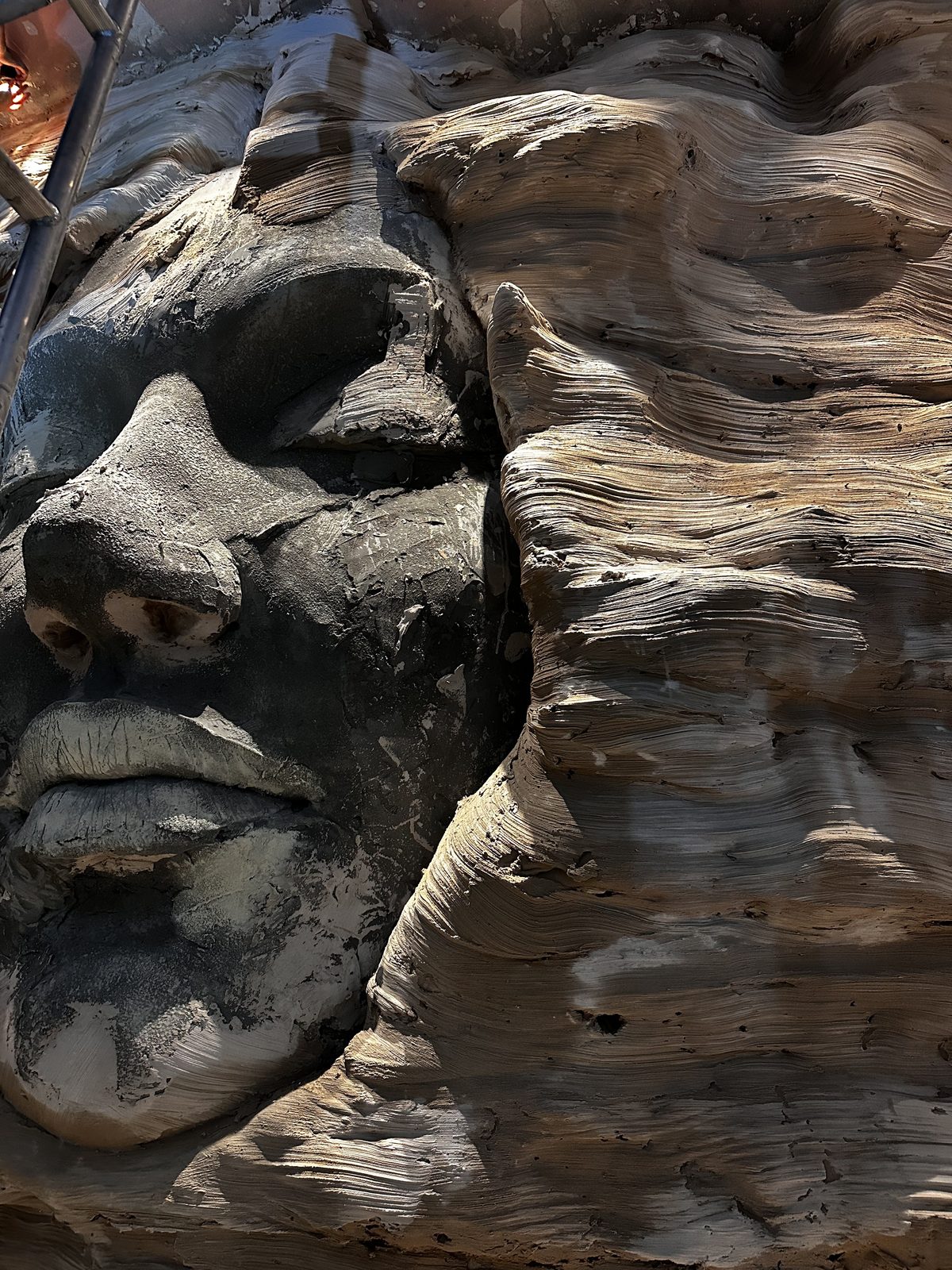
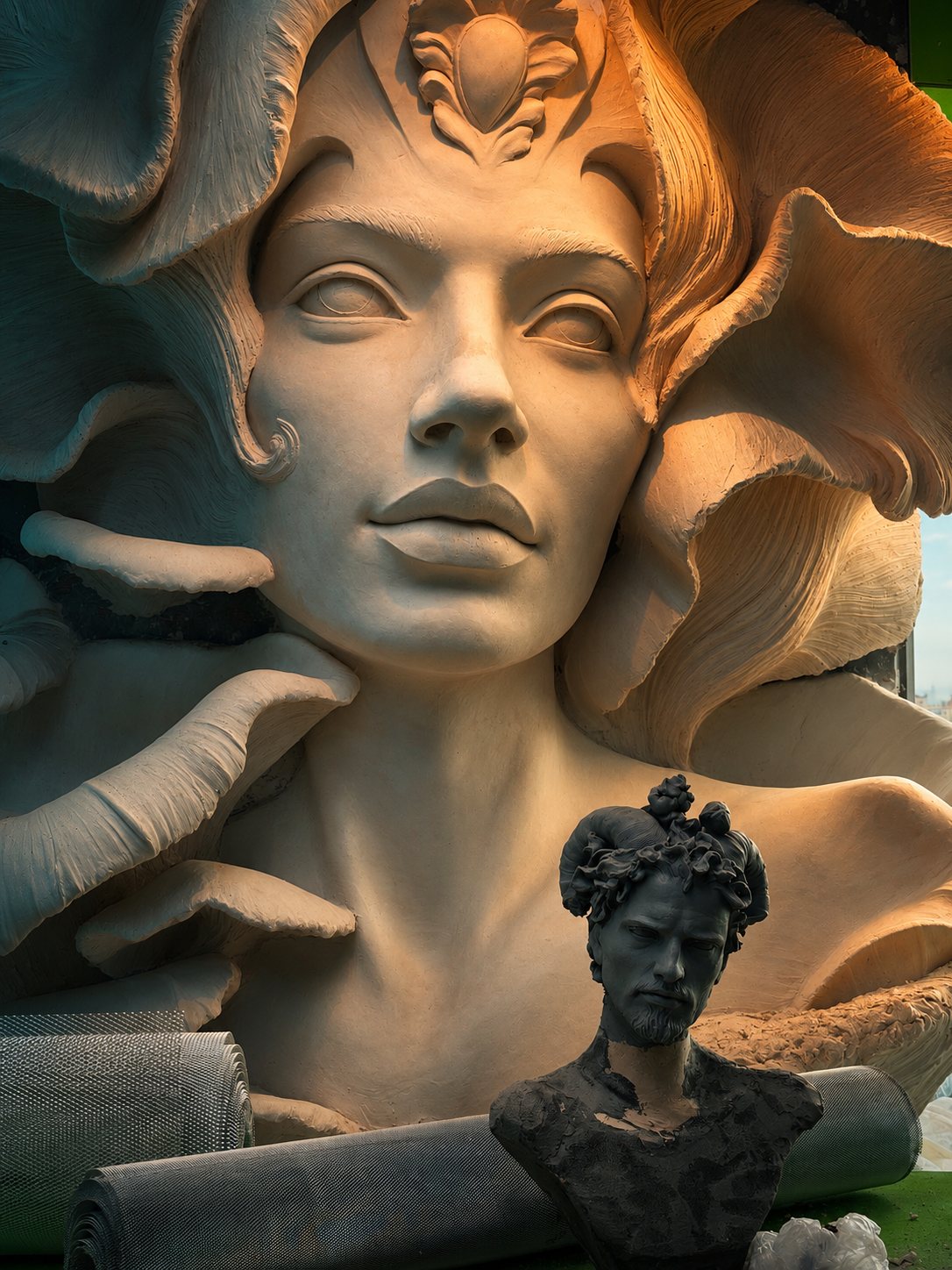
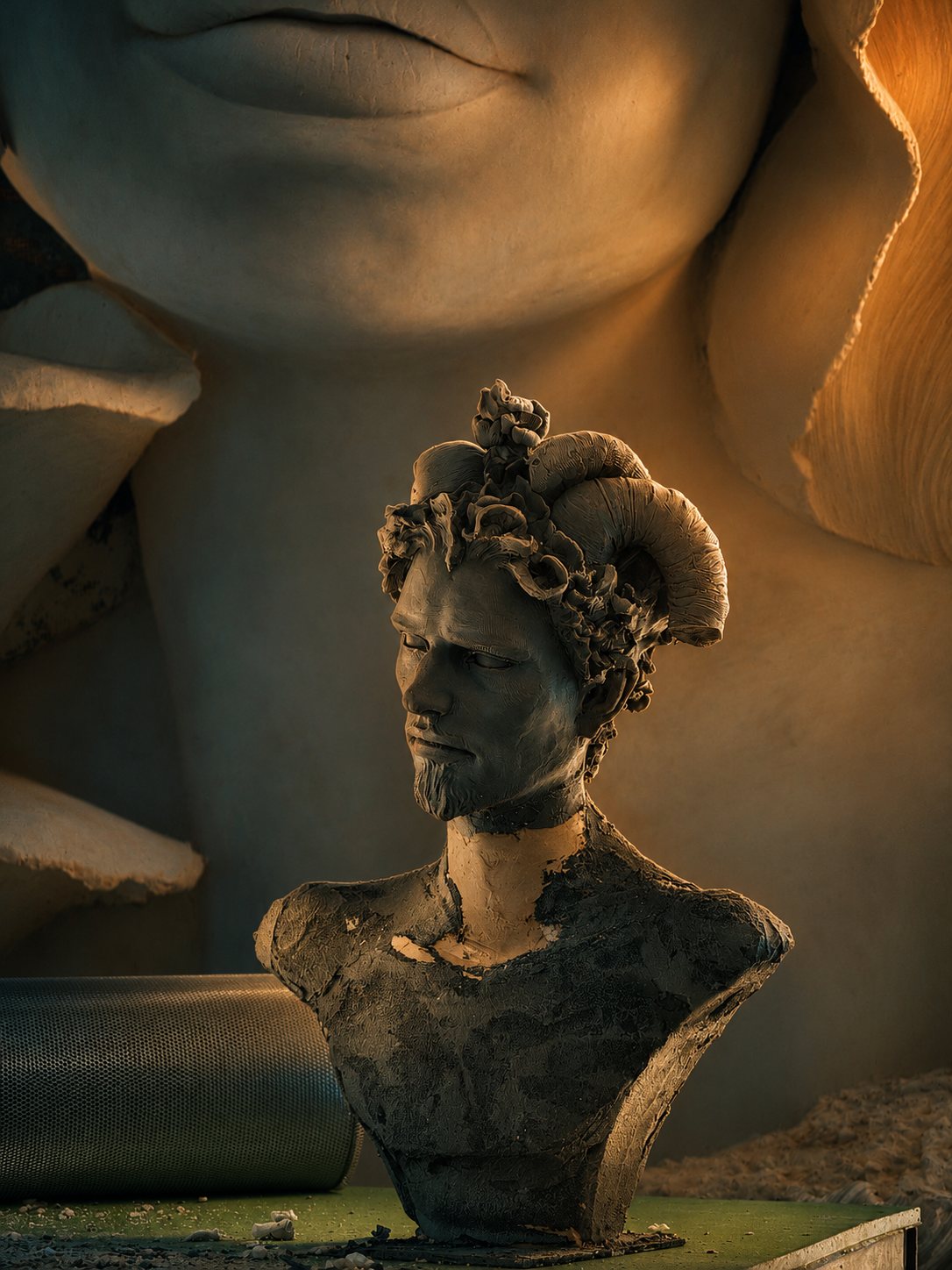
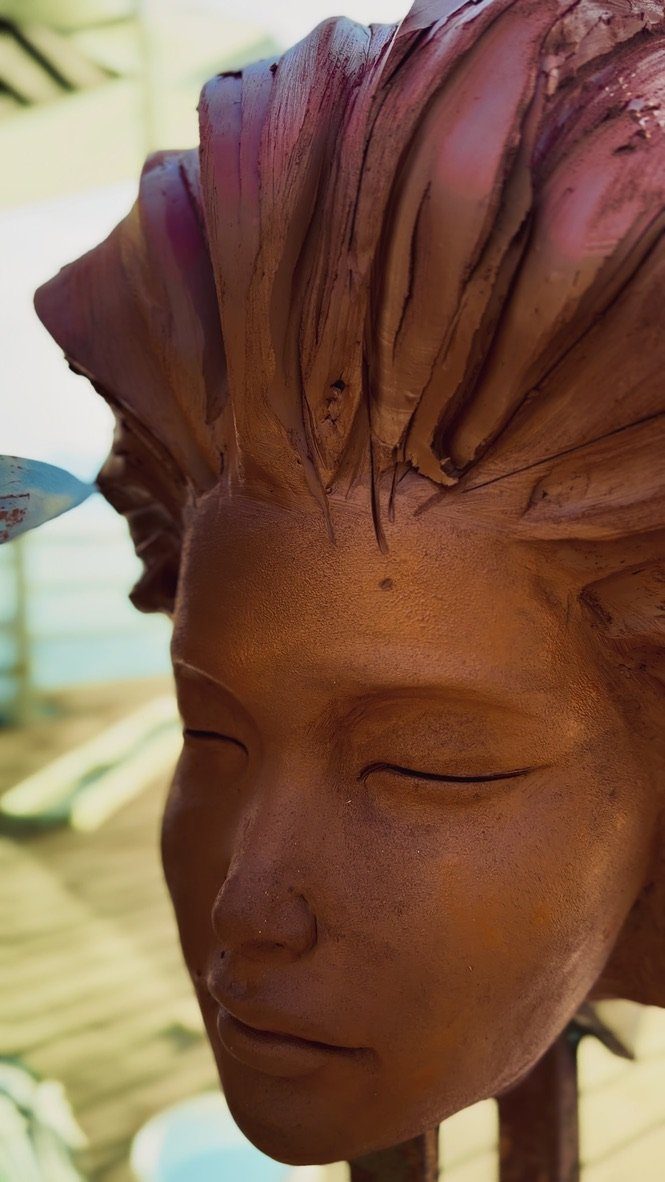
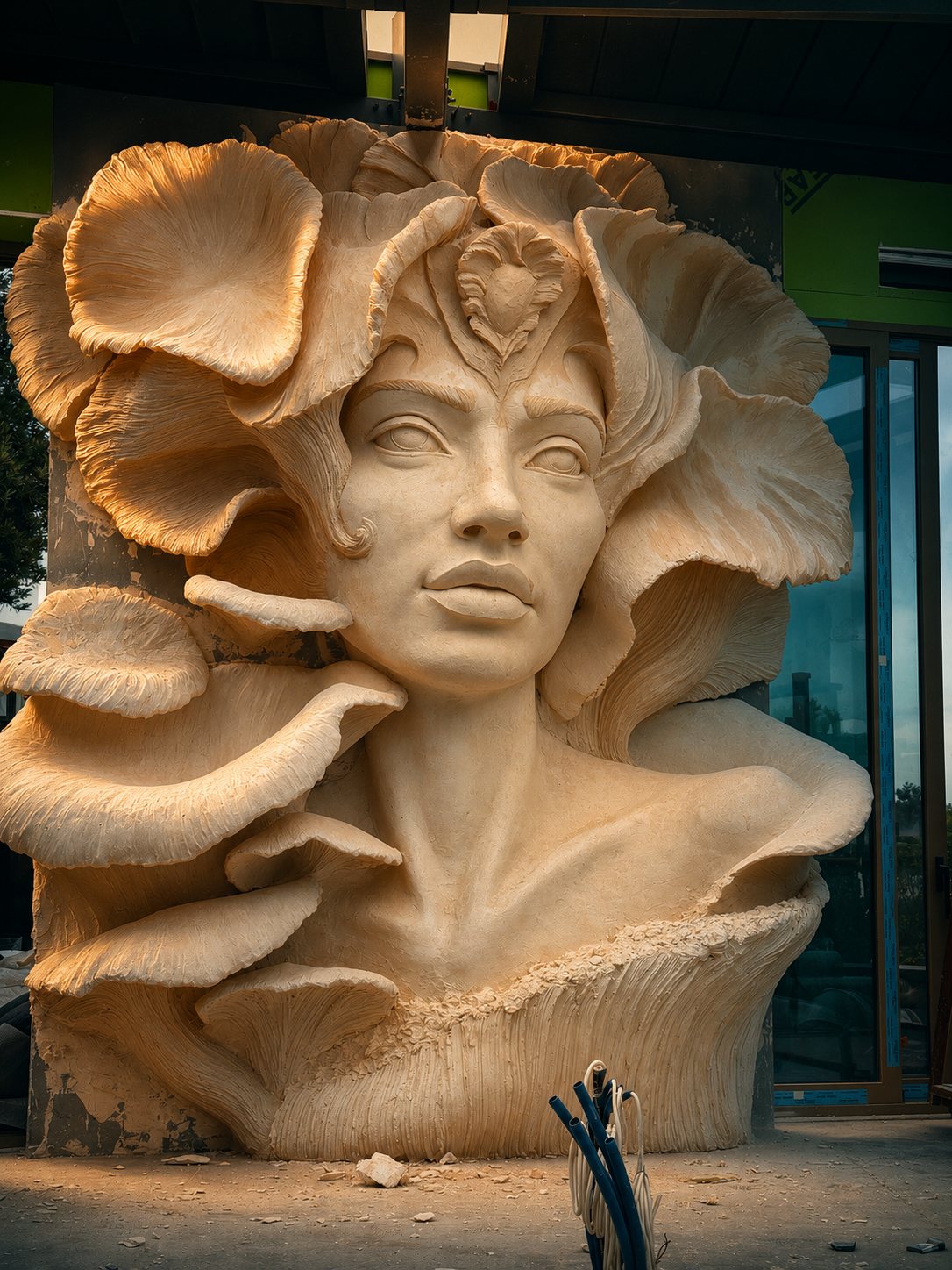
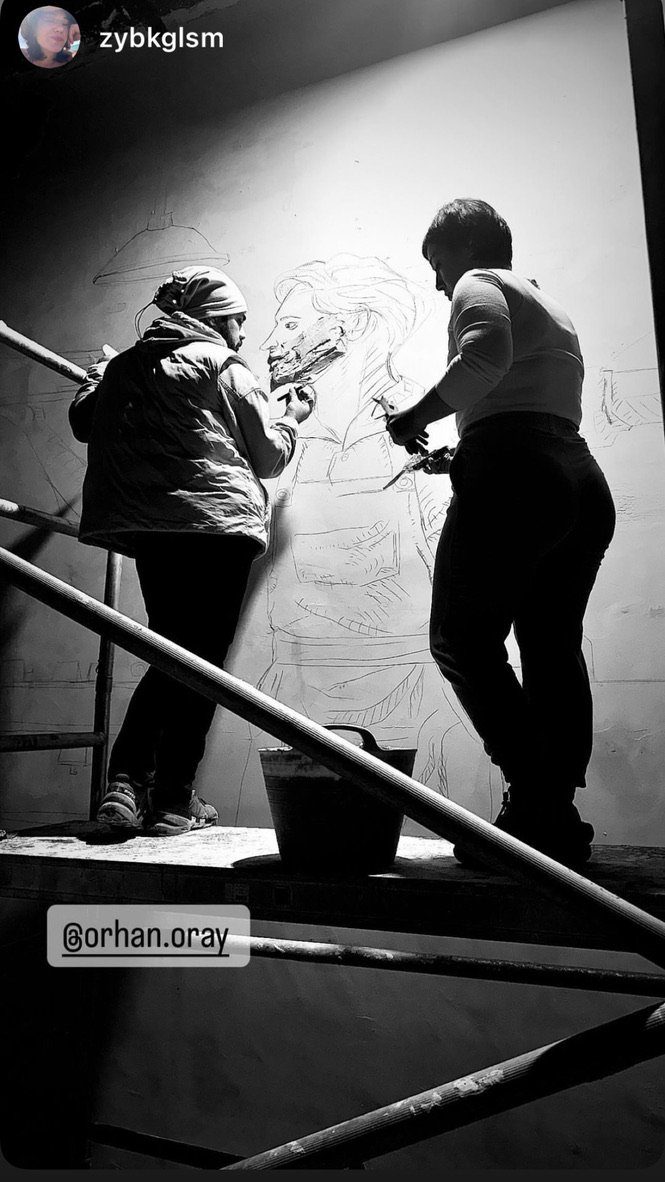
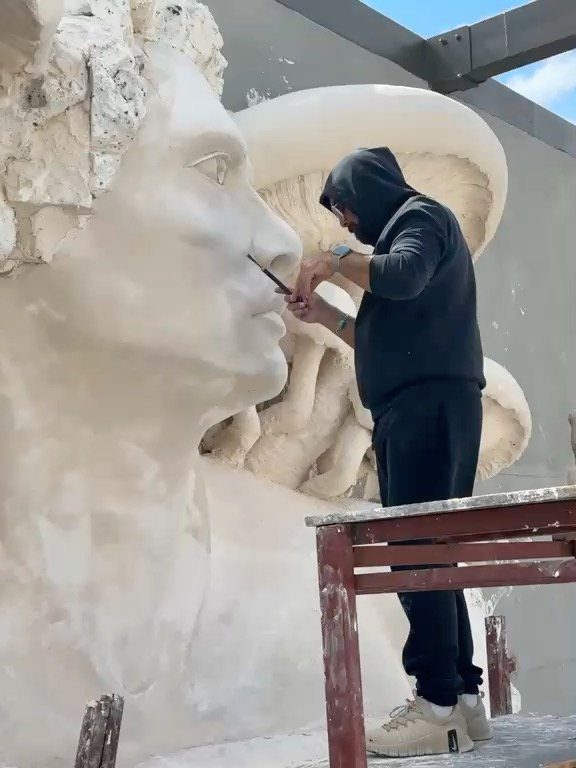
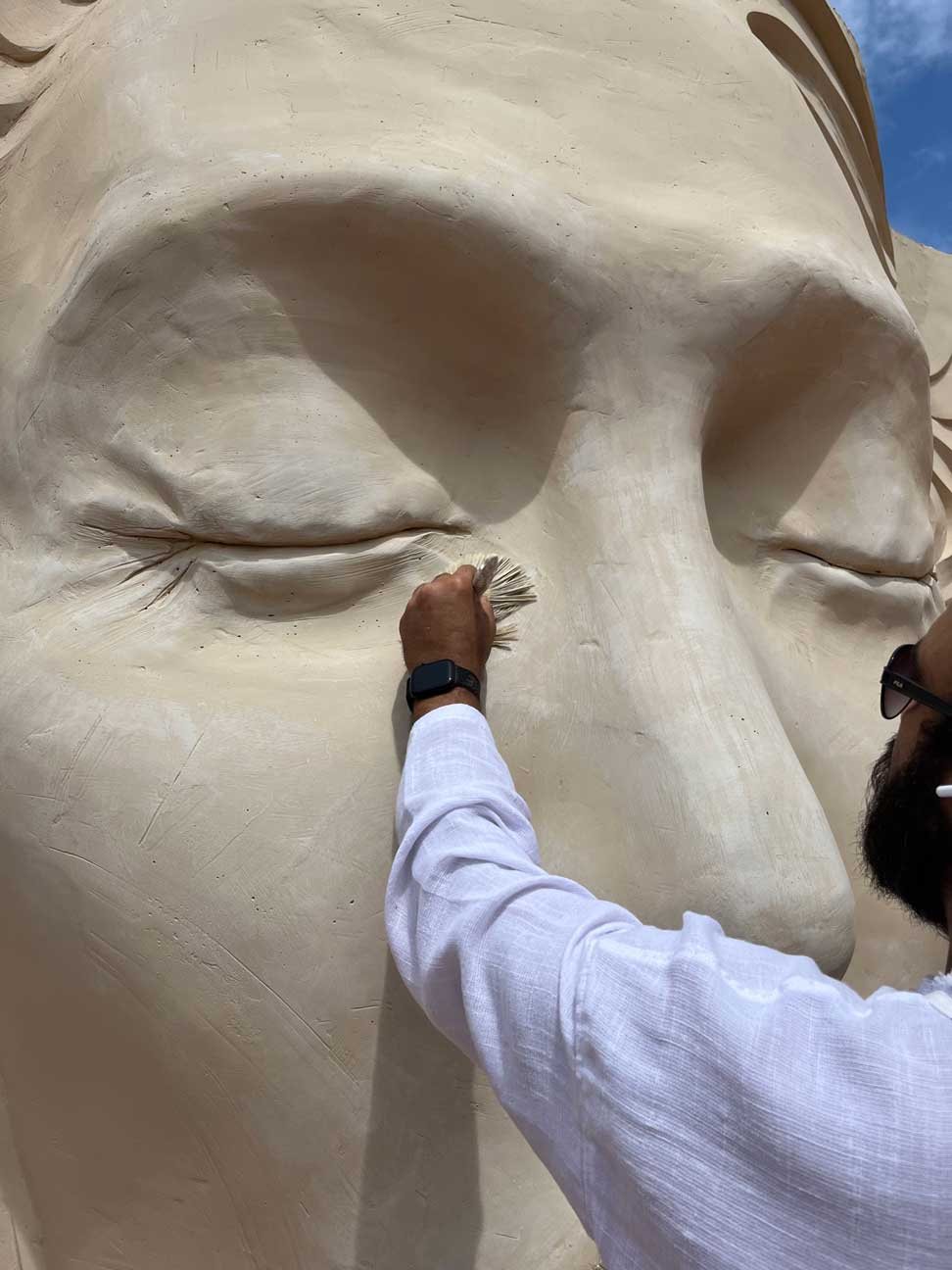
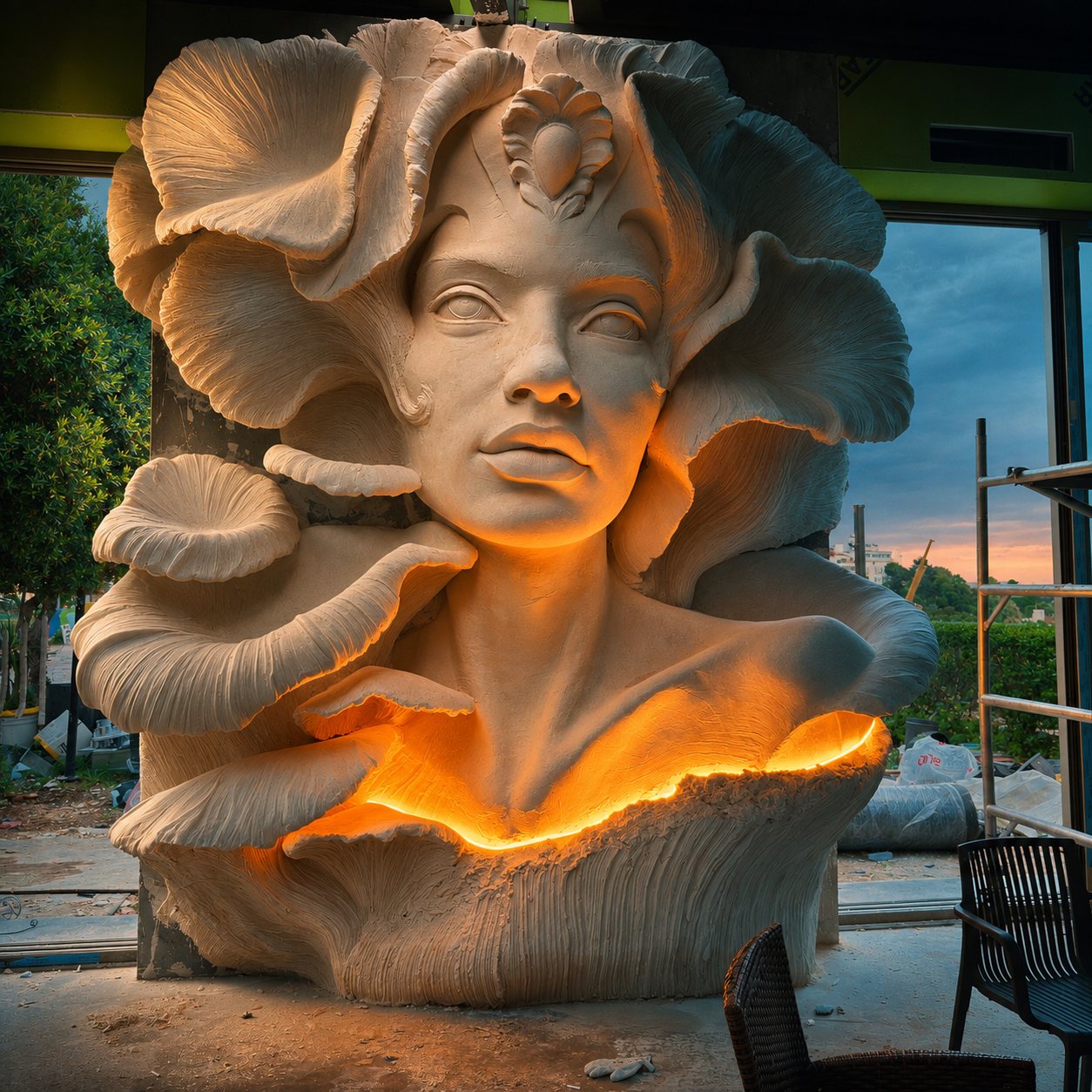
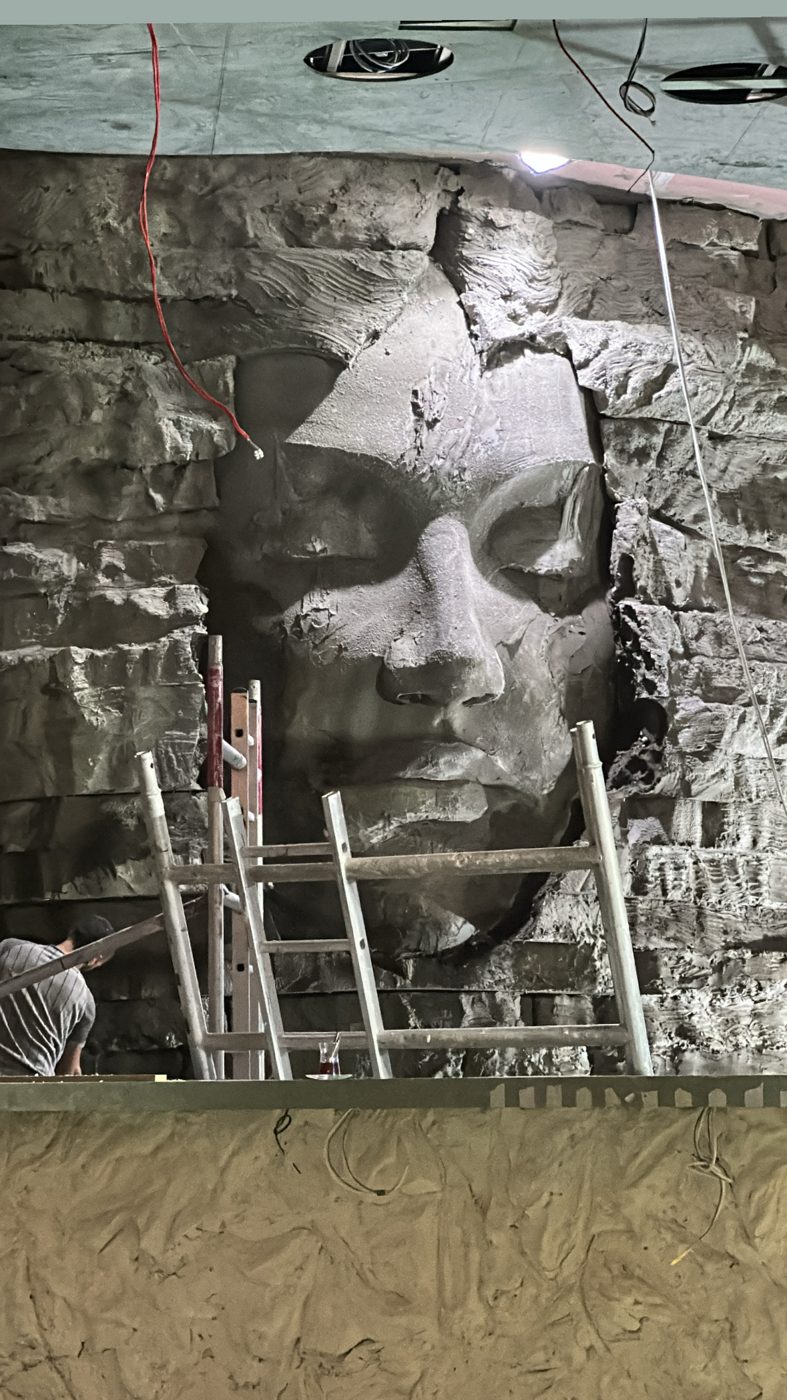
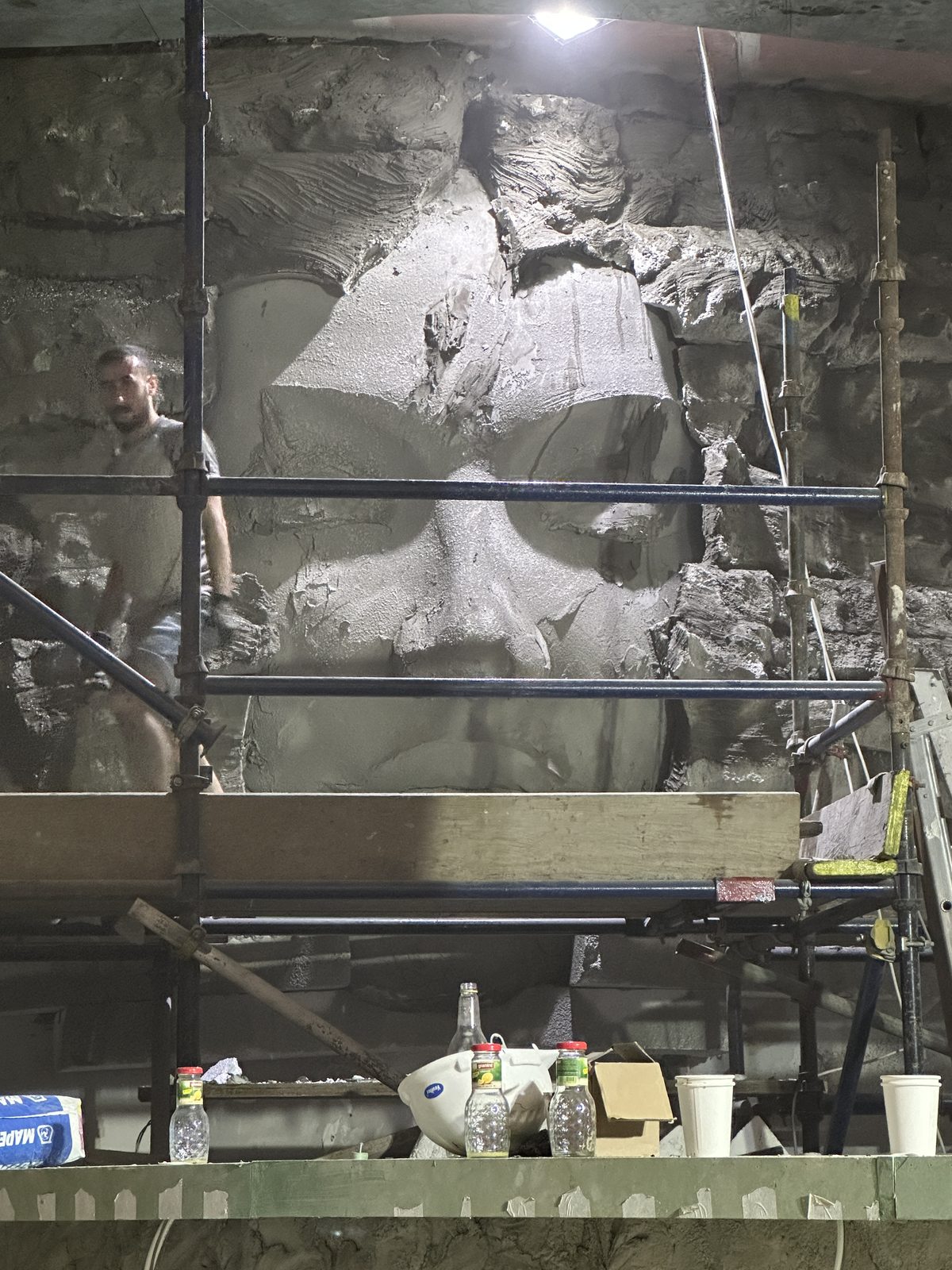
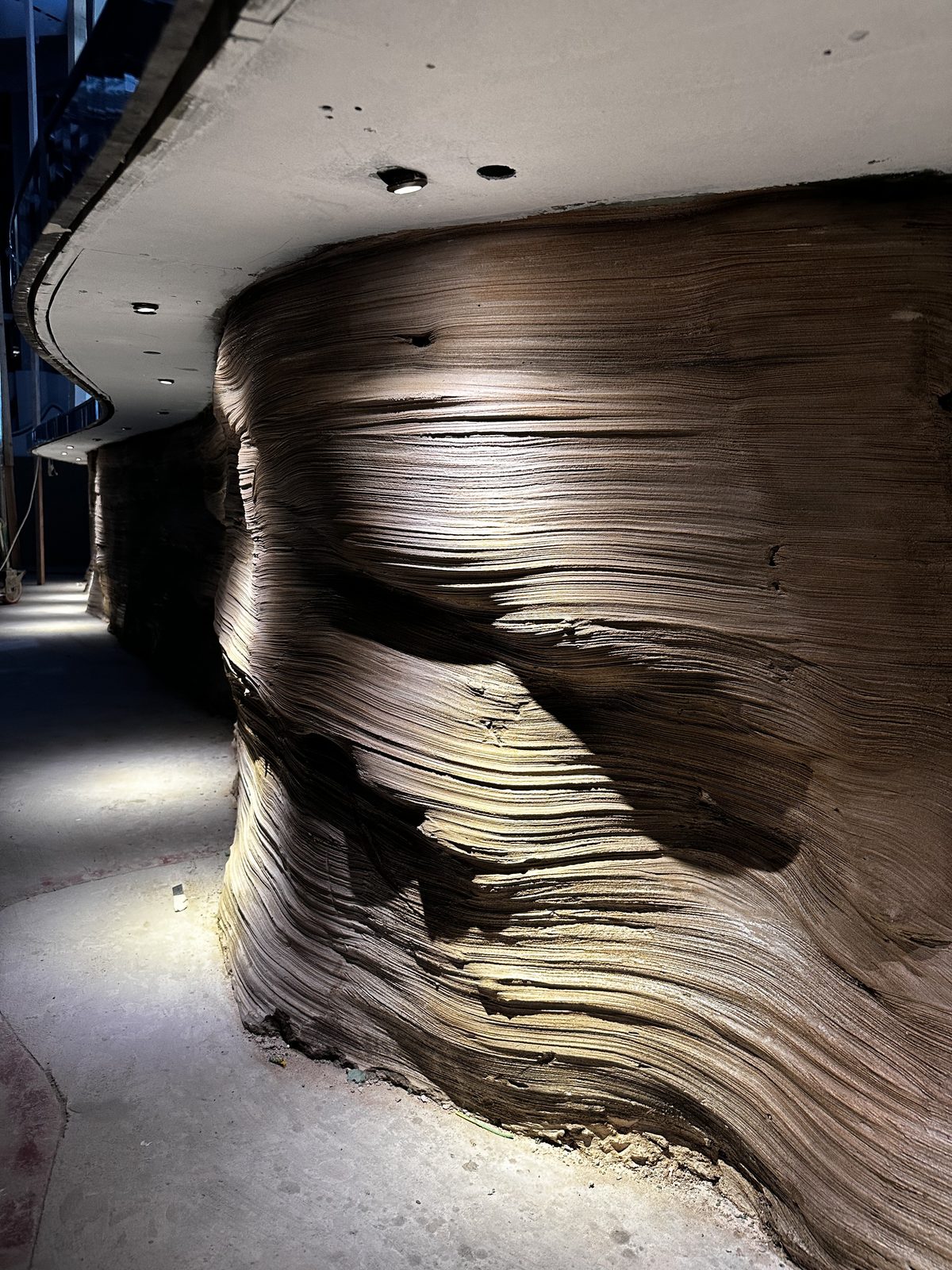
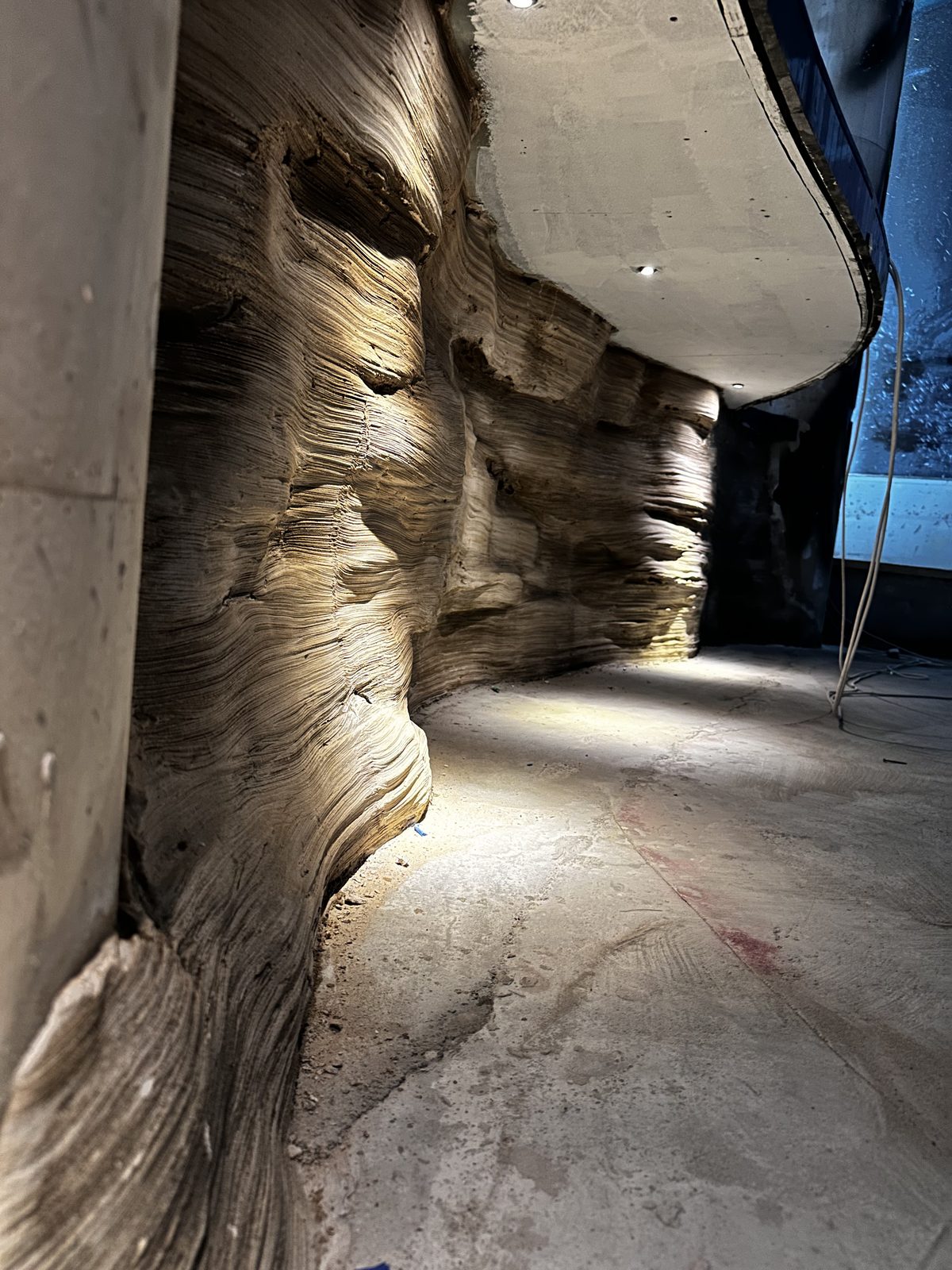
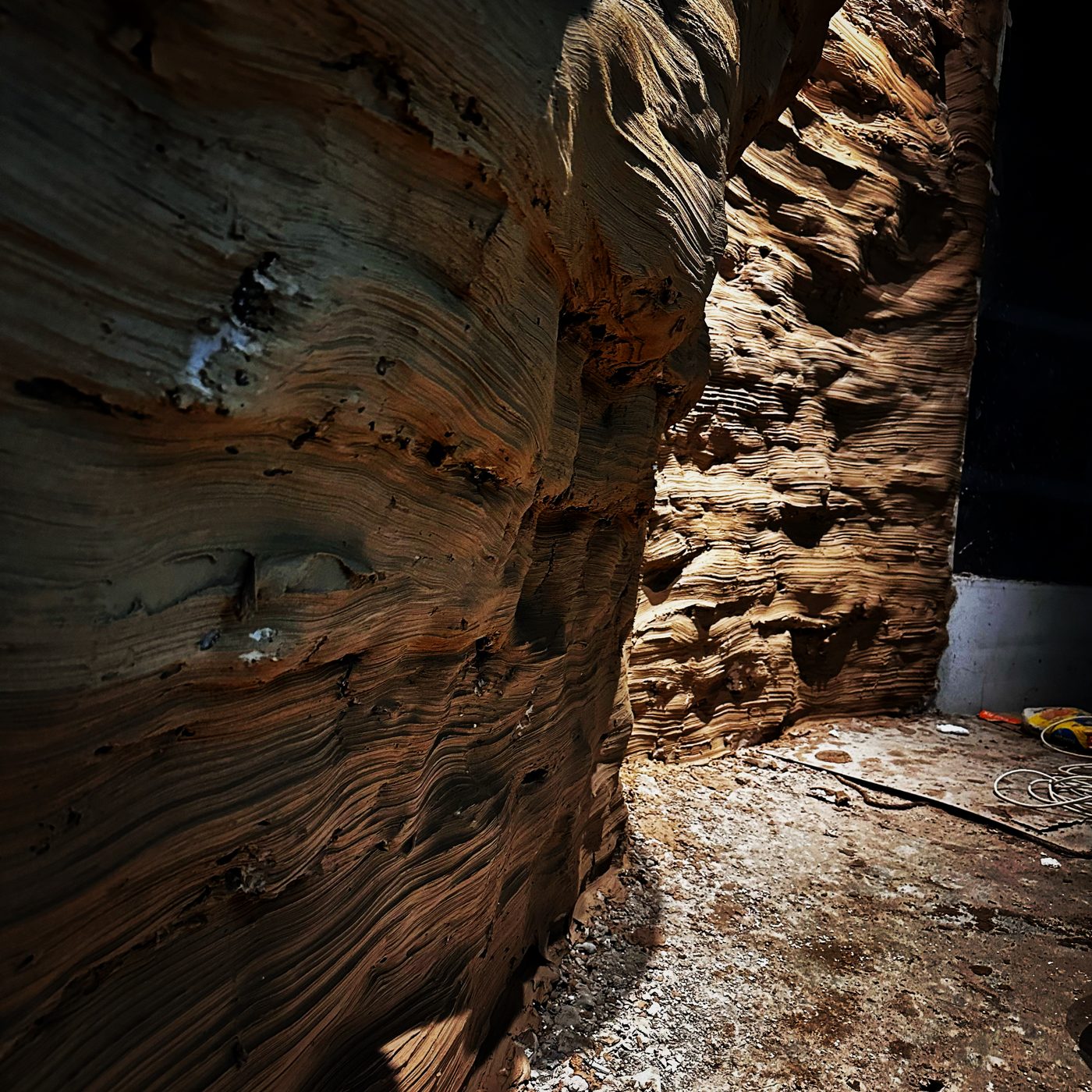
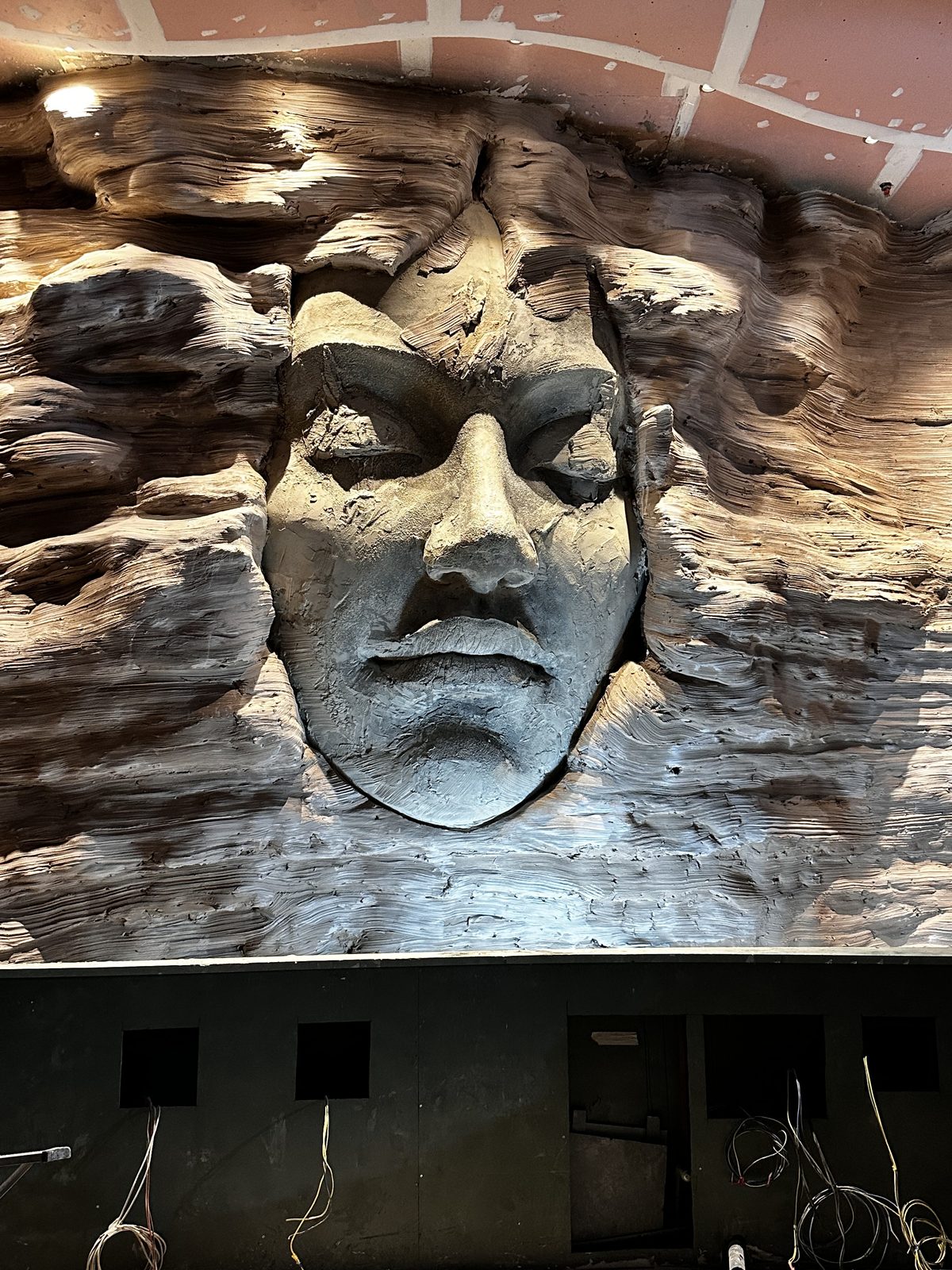
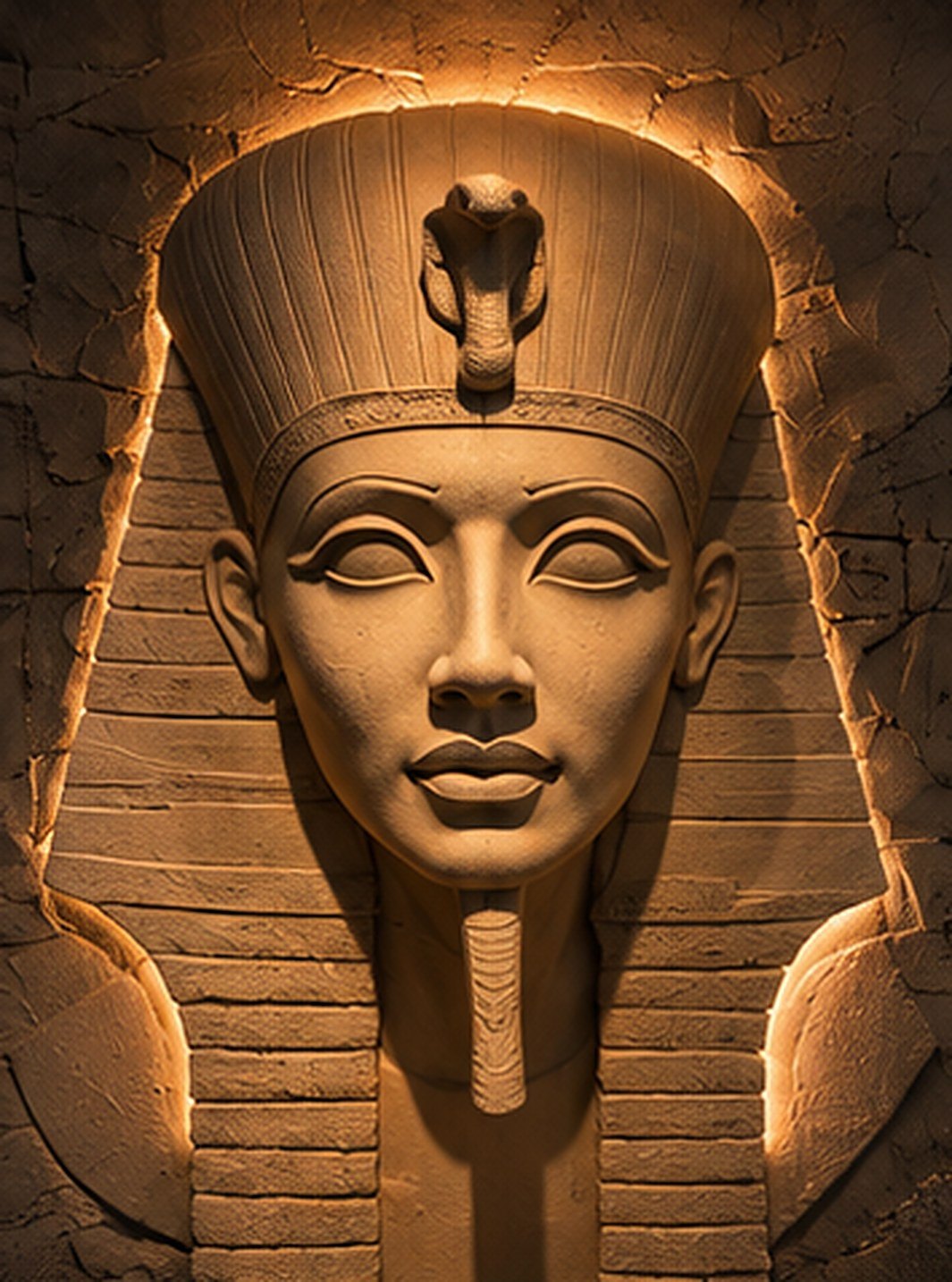
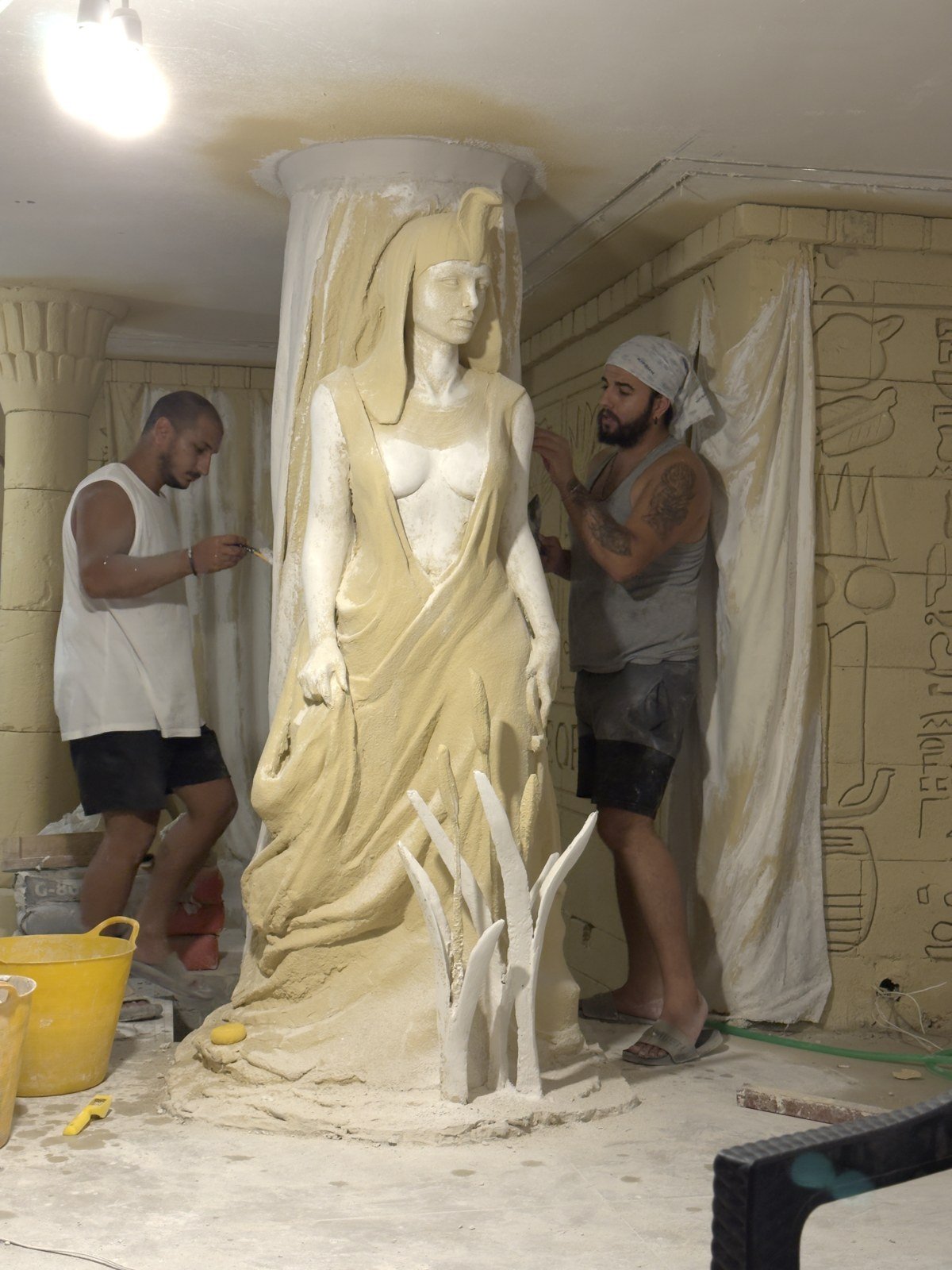
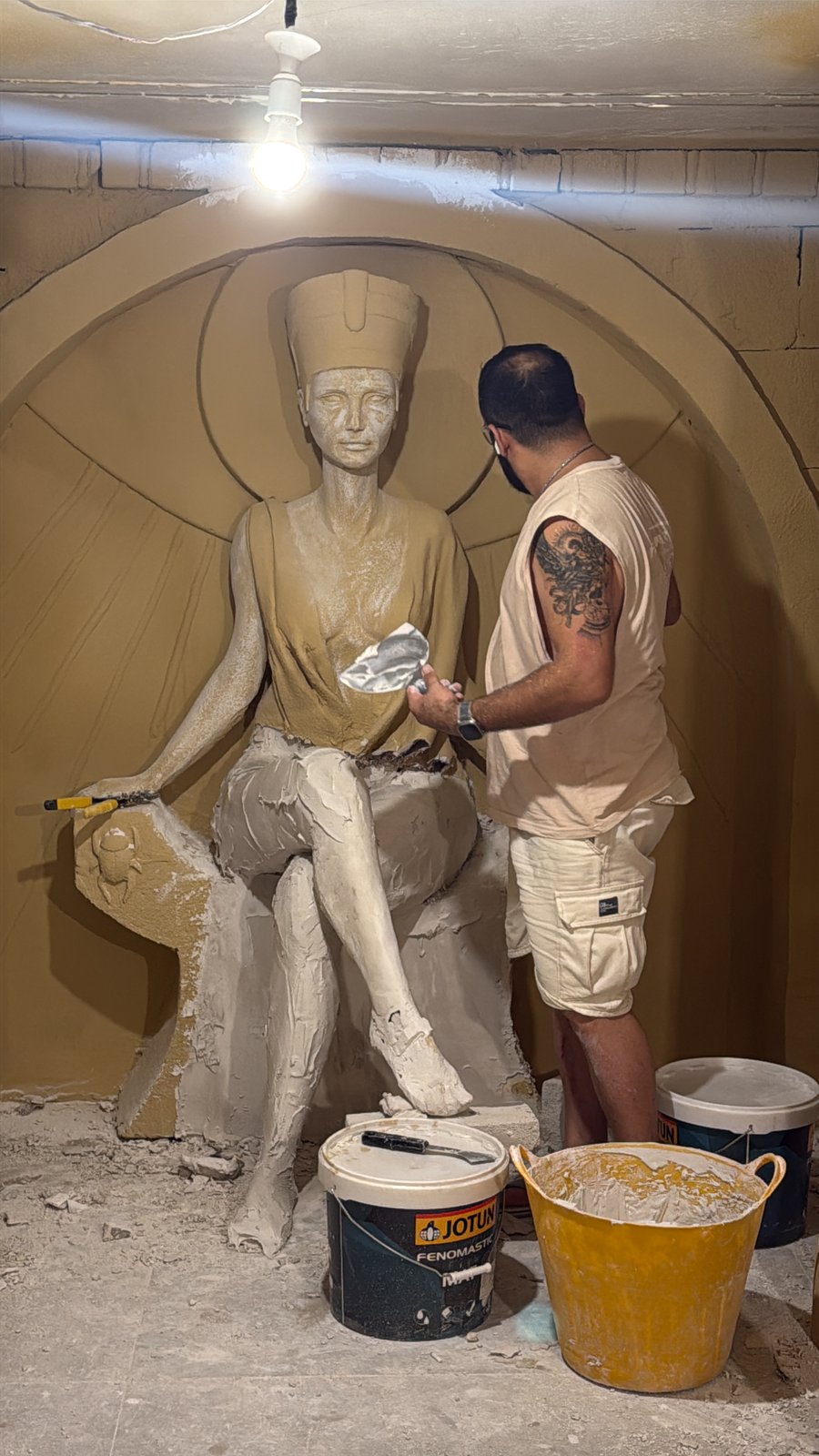
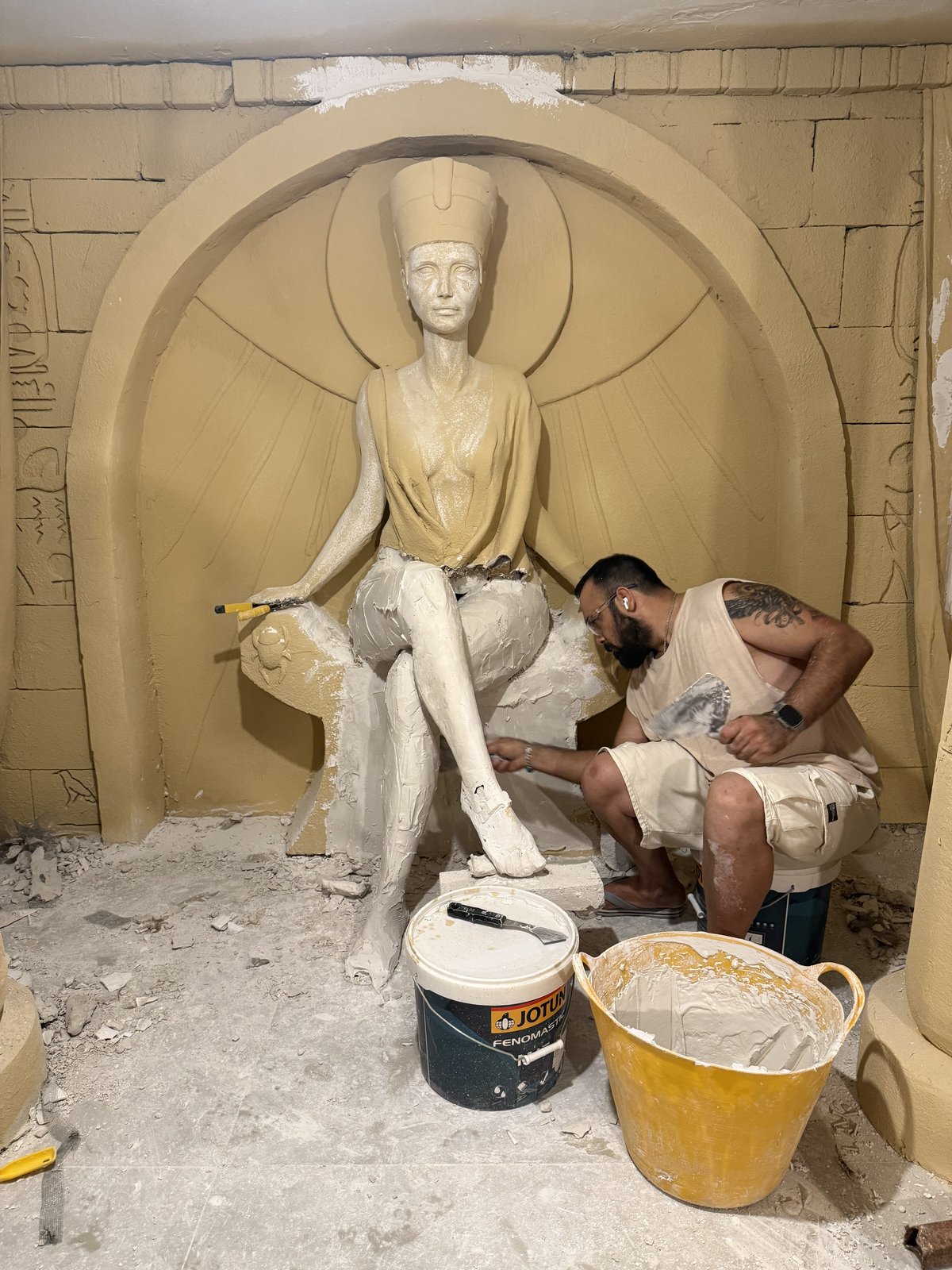
Guided by this approach, I moved away from classical studio practice and built my own language of production. Although I have worked at different times with clay, metal and carving, I felt these materials limited my way of expression. When I began working with plaster, I found an attitude much closer to my character and my instincts as a maker. The fast, direct and lively nature of plaster supported the dynamism of my process and let me develop my relationship with space far more freely.
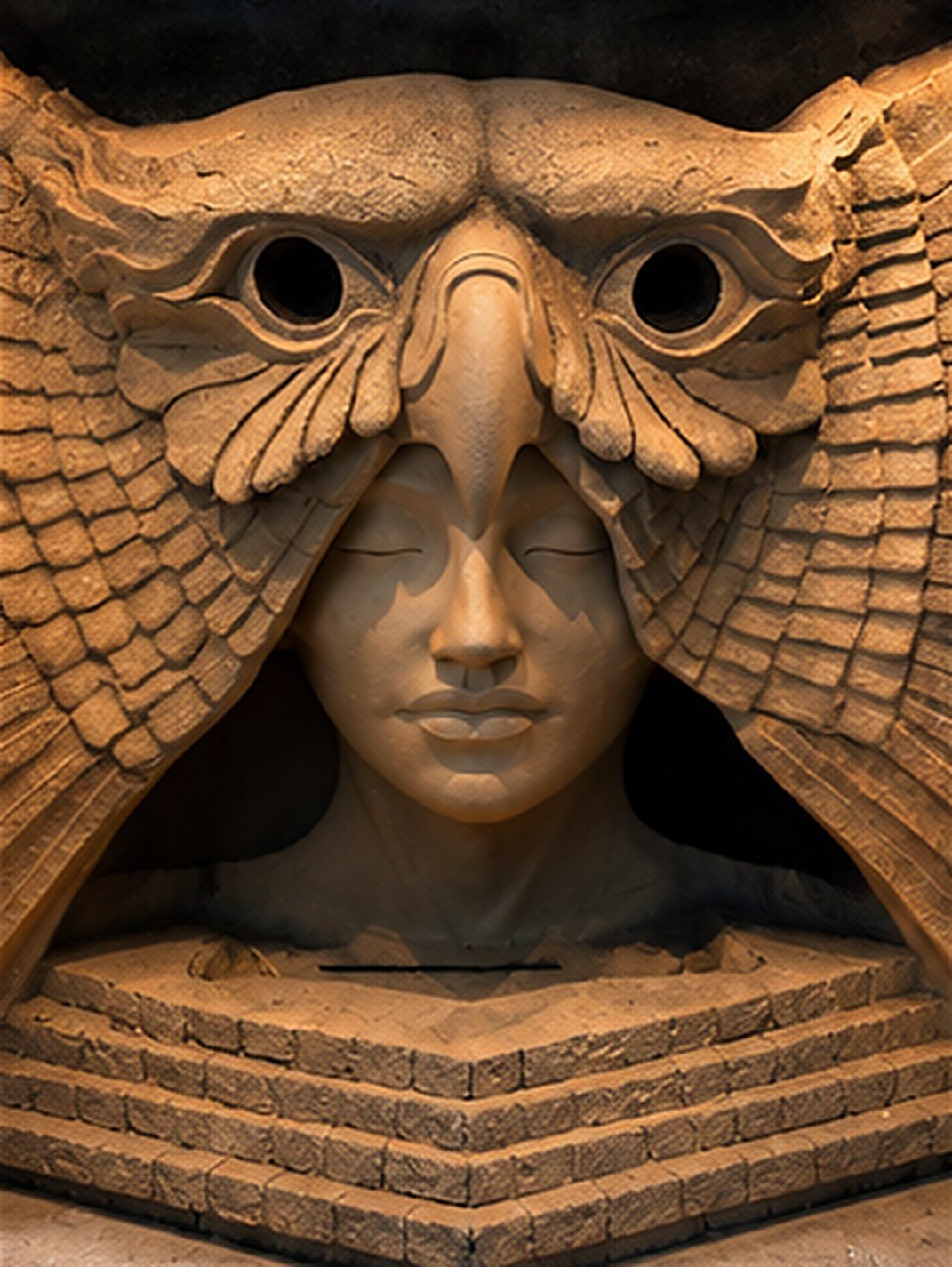
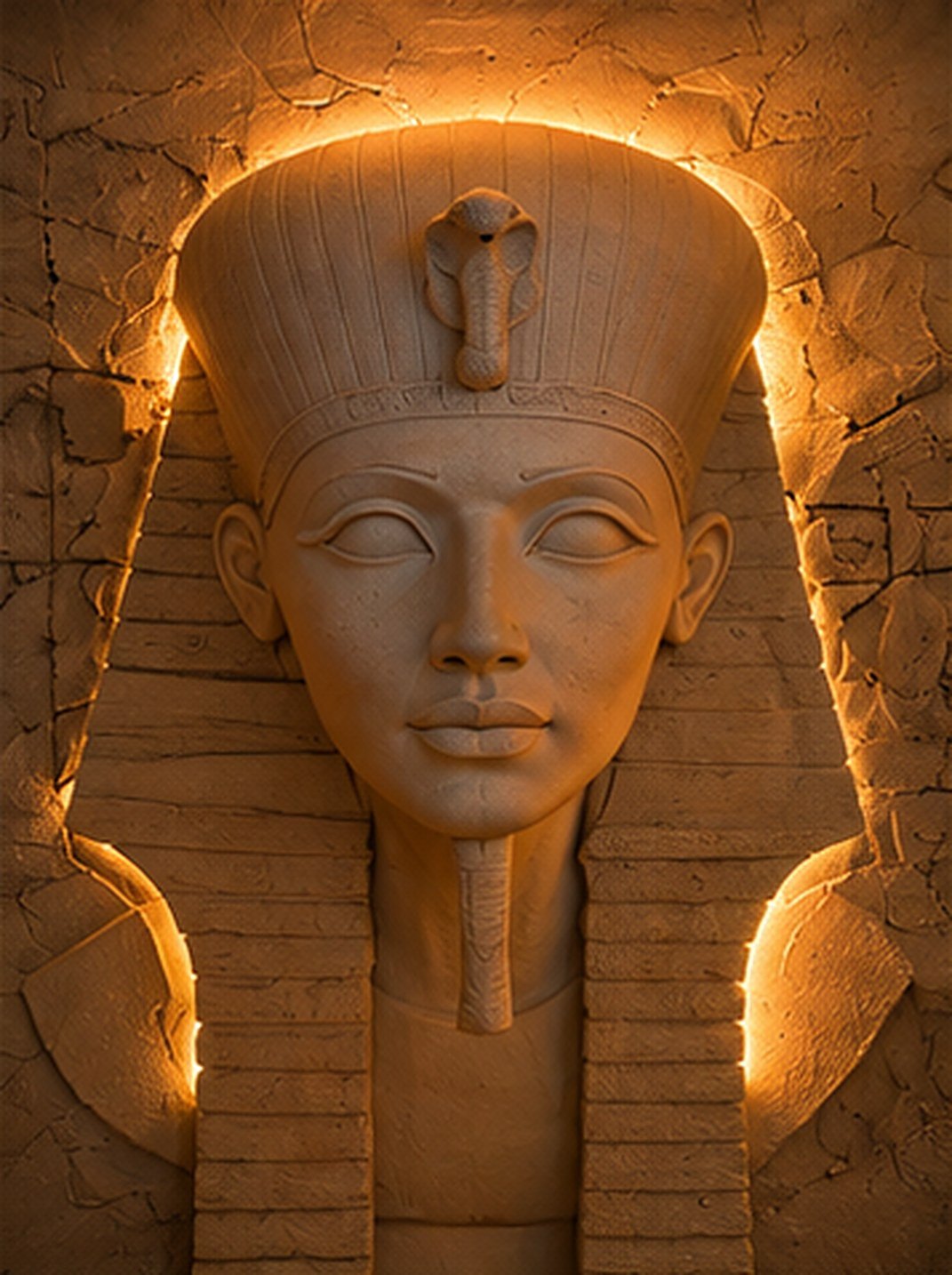
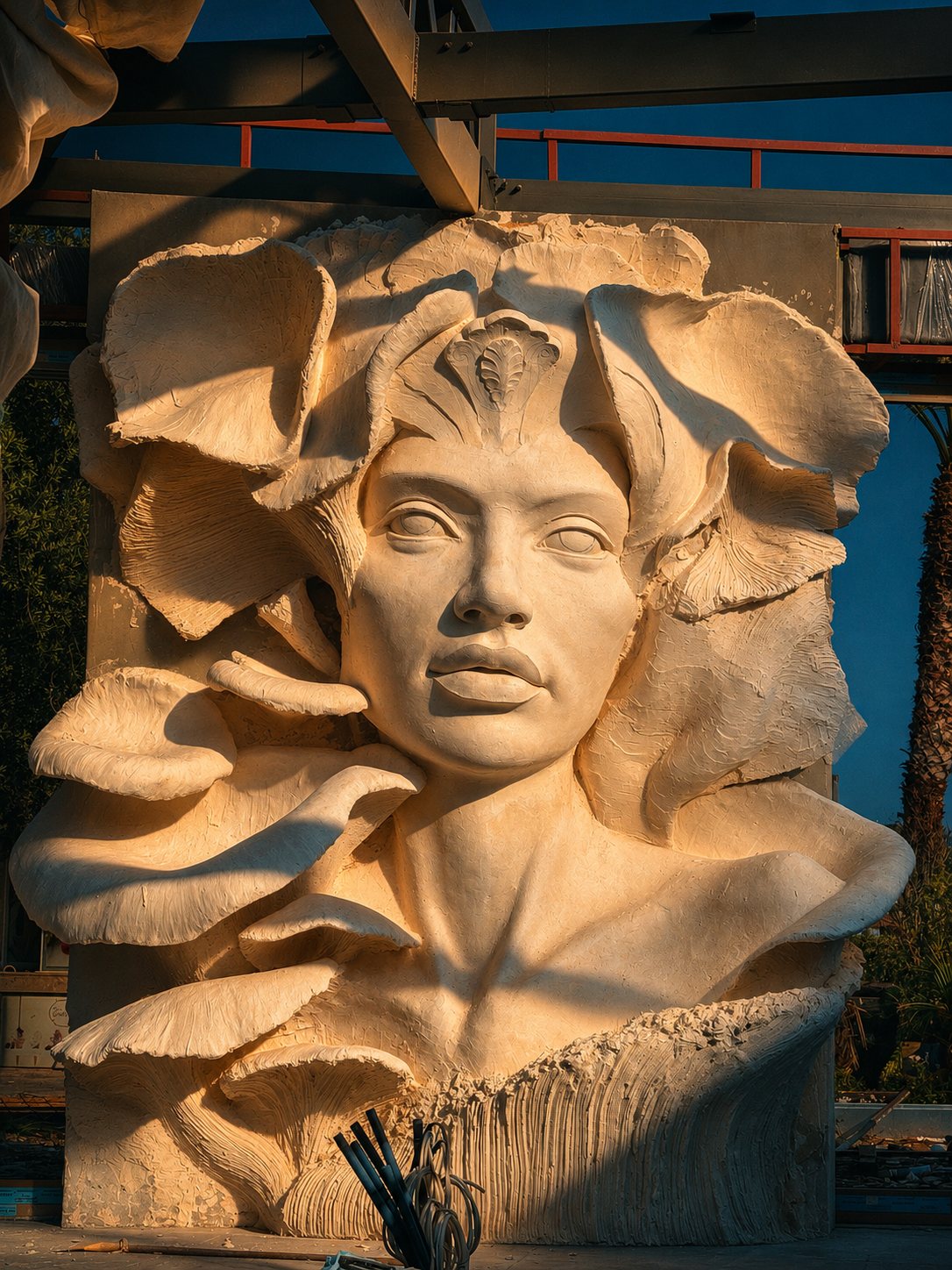
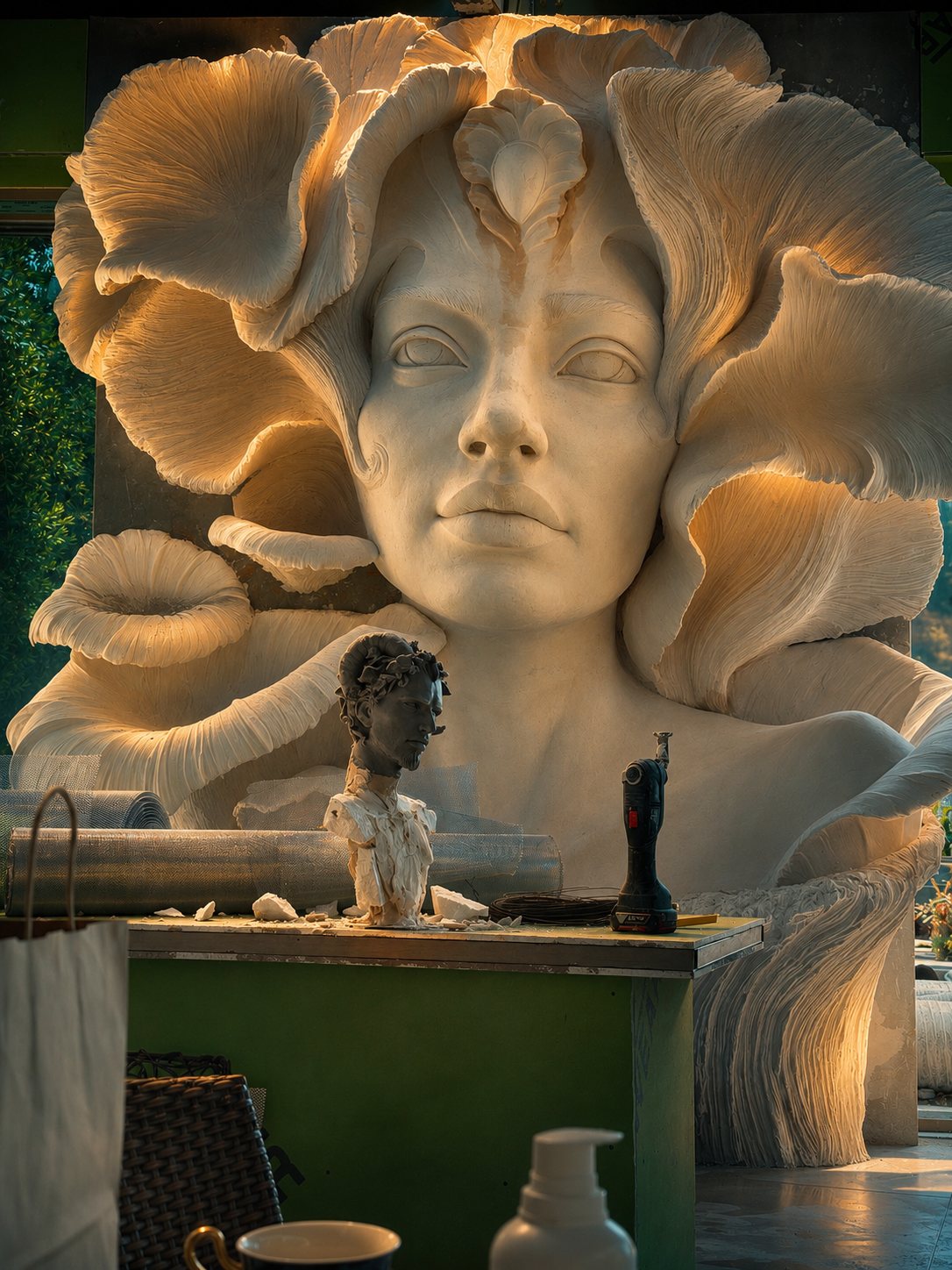
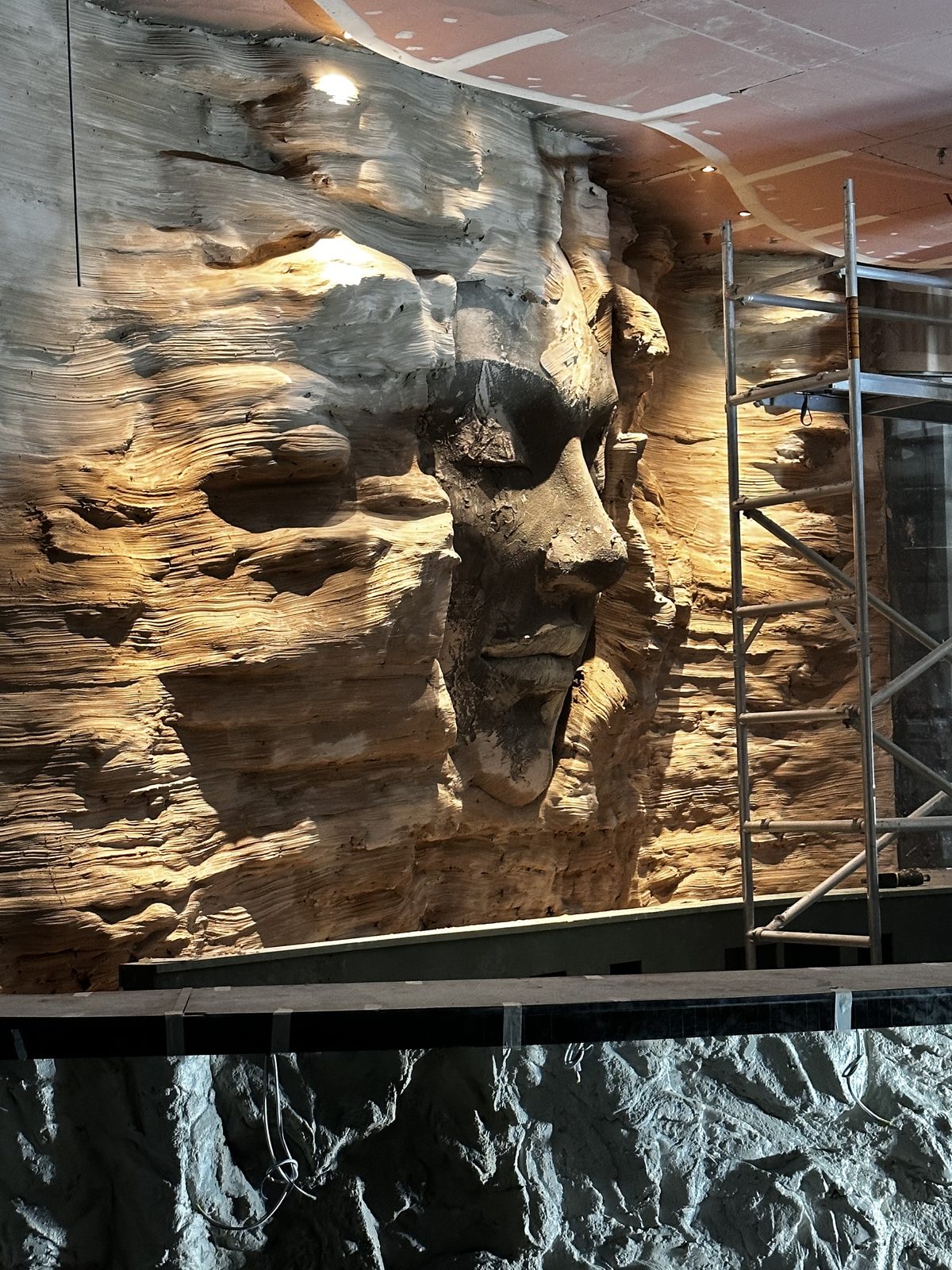
Today, at the centre of my practice lies high relief that unites plaster, anatomy and architecture. While I feel I have mastered this field technically, I keep my process open to constant conceptual and creative growth.